Masculine and feminine gods
Updated On: 05 January, 2020 06:07 AM IST | Mumbai | Devdutt Pattanaik
In early societies, the clan worshipped the fertile and nourishing Kula-devi or Kula-swamini, the matriarch, the mother of the tribe.





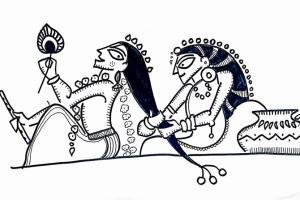
Illustration/ Devdutt Patnaik
%20(1).jpg "dev") In mythology, generally, masculinity refers to the human desire to dominate and be territorial like the proverbial alpha male. In a positive sense it protects, in a negative sense it controls. Femininity is associated with nourishment, with feeding others (in a positive sense) and consuming others (in a negative sense).
In mythology, generally, masculinity refers to the human desire to dominate and be territorial like the proverbial alpha male. In a positive sense it protects, in a negative sense it controls. Femininity is associated with nourishment, with feeding others (in a positive sense) and consuming others (in a negative sense).
In early societies, the clan worshipped the fertile and nourishing Kula-devi or Kula-swamini, the matriarch, the mother of the tribe. She was served by Bhairava, whose relationship with her was ambiguous—lover, brother and son. He protected her, and served her, while she nourished the tribe. But, in later societies we see the rise of male gods who married multiple Kula-devis of the region, marking their territory, and becoming the symbol of divine power and kingship. Thus, we find in Odisha, eight Mangala-maa shrines around the temple of Jagannath. Together, they protect the Purushottama-kshetra of Jagannath, a shift from times when she was the sun, and everyone else were satellites around her.
Trending Stories
Latest Photos
Latest Videos
Latest Web Stories
ADVERTISEMENT

Ganeshotsav 2026

ADVERTISEMENT