mid-day Opinion: Tantra of the wheel of time
Updated On: 24 May, 2026 09:02 AM IST | Mumbai | Devdutt Pattanaik
What made the Kalacakratantra more than a tract against Islam was the way it used animal sacrifice as a hinge to fold Hinduism into the same condemnation





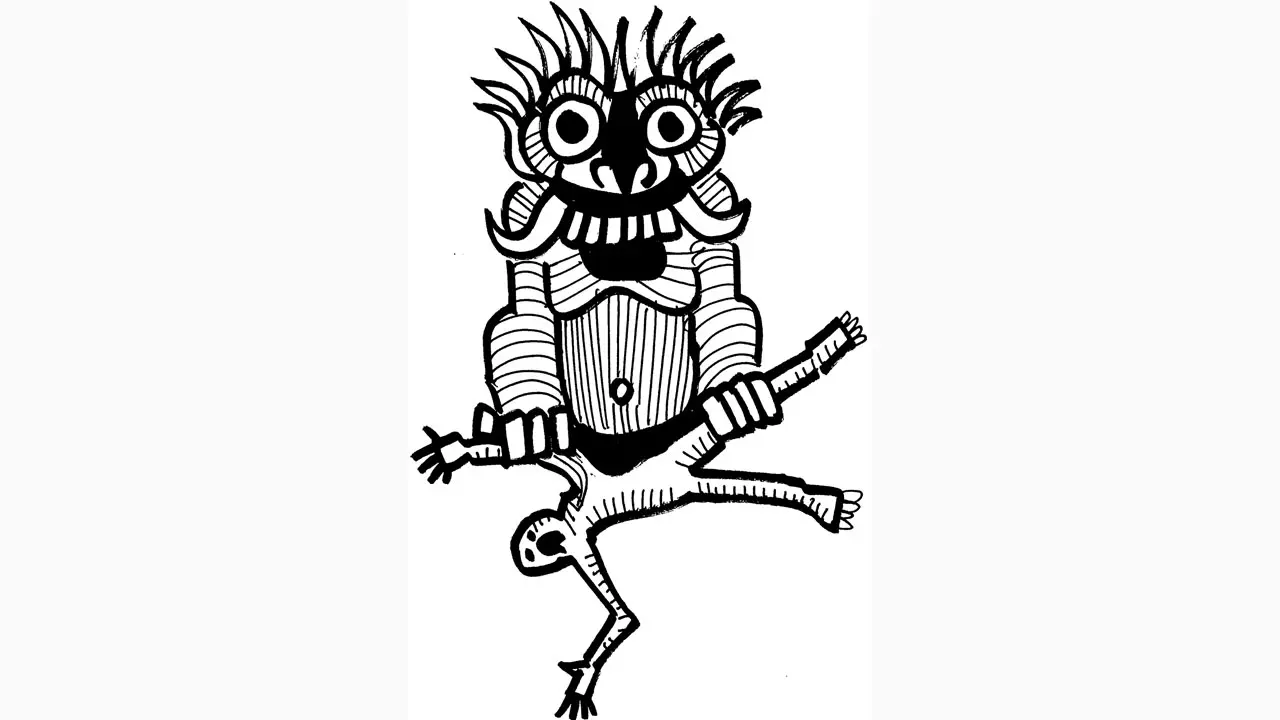
Illustration/Devdutt Pattanaik
 Compiled in the early eleventh century as Muslim armies pressed into northwest India, the Kalacakratantra — the Wheel of Time Tantra — is one of the clearest cases in religious history of a sacred text designed as a political response to a contemporary threat. It was built as a hedge against the advance of Islam, framing that advance as a civilizational catastrophe for the Buddhist world. From this defensive impulse it produced a polemic that bound Islam and Hinduism together as twin “barbarian” rivals to the Buddhist dharma, and an apocalyptic prophecy that would shape Buddhist identity for the next thousand years.
The text’s most enduring contribution was the myth of Shambhala. The prophecy unfolds in four movements: a long period of decline in which Islam — the religion of the mleccha, or barbarians — comes to rule the entire world; the emergence, at the height of that dominance, of the Buddhist savior Kalkin Raudra Chakrin from the hidden kingdom of Shambhala; a final cataclysmic battle in which his army annihilates the Muslims and their “demonic dharma”; and the restoration of a global golden age of pure Buddhism.
Trending Stories
Latest Photos
Latest Videos
Latest Web Stories
ADVERTISEMENT
Mid-Day Fast
ADVERTISEMENT