The handloom quest
Updated On: 08 August, 2021 06:45 AM IST | Mumbai | Shweta Shiware
We are not sure why handmade, artisanal textiles intimidate even the most seasoned shoppers. To mark National Handloom Day, here’s a handy guide for you to know and shop handlooms like a pro





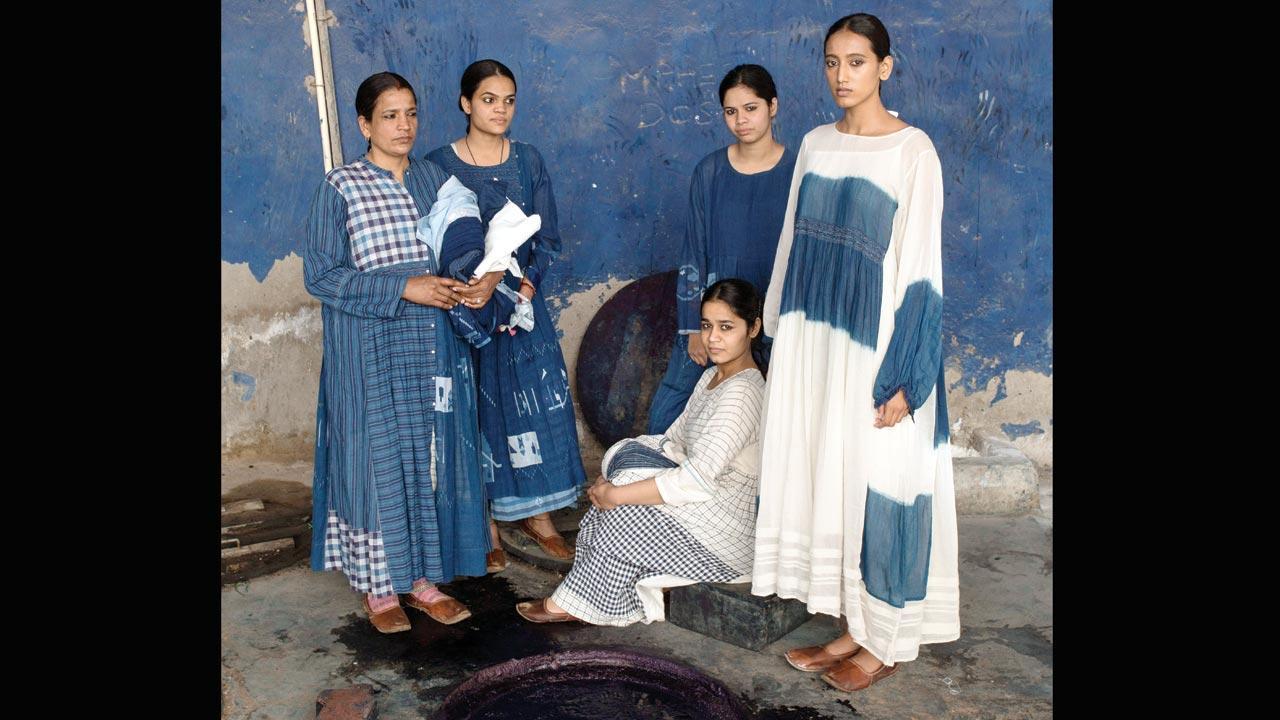
Chinar Farooqui of Injiri reflects on the many blues of Indigo in her summer 2021 collection, Neel
 How do I ensure what I am buying online is 100 per cent handloom?
According to the Ministry of Textiles, which tweaked the definition of handloom in 2014, a product made on any loom other than a power loom on which at least one process for weaving requires manual intervention or human energy for production, can be called handloom. Simple markers can help you identify a genuine handloom product that’s handmade in India. Look out for the Handloom Mark, a government of India initiative that serves as a guarantee for the buyer. “Just like you’d read a nutritional information label on a good product, you should cross check what’s involved in the making of the handloom product,” says Iti Tyagi, founder, Craft Village and India Craft Week.
Research the handloom marketplaces online, check if the brand has a site and social media presence. The young, indie startups that stress on artisan products and genuine craftsmanship will enthusiastically share data on weaver clusters and sourcing of materials. The technologically advanced ones use QR coding. A simple scan of the label can tell you all you need to know about the product, its origin, its manufacture journey and even take you to the home of its karigar. If buying from a brick-and-mortar shop, turn the fabric over, suggests social entrepreneur Umang Sridhar. She says, “When buying extra weft fabrics like Banarasi brocade, Maheshwari, Chanderi or Kanjeevaram, see if the threads on the underside are neat. With regular yardages like cotton, look at the selvedge. If it is hand woven, the edges will be uneven, giving away the beauty of human intervention.”
Trending Stories
Latest Photos
Latest Videos
Latest Web Stories
ADVERTISEMENT
Mid-Day Fast
ADVERTISEMENT