The surgical perks
Updated On: 20 March, 2022 07:28 AM IST | Mumbai | Dr Mazda Turel
It took a terrible, almost incurable, back spasm for this surgeon to develop a more profound understanding of someone else’s pain





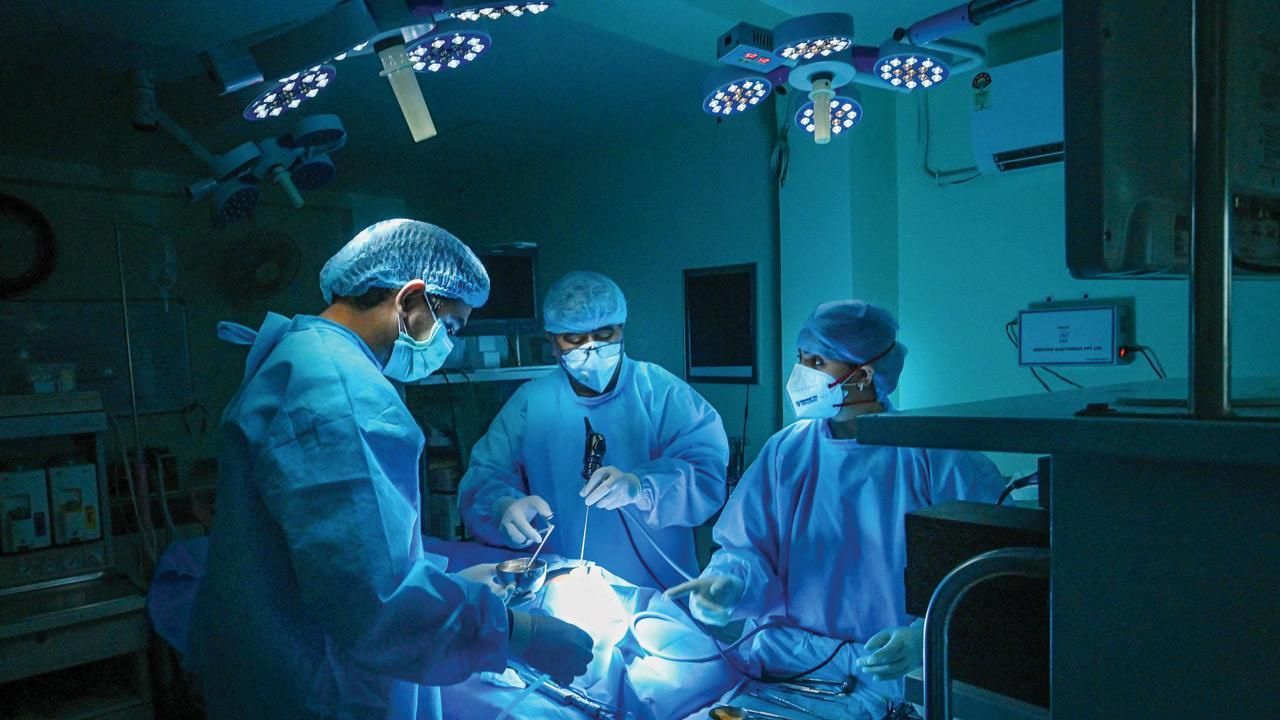
Representation pic
 Ouch!” I said to myself after completing an eight-hour operation to fix someone’s degenerated spine, gingerly releasing the velcro off the 5-kg lead apron I was wearing underneath my surgical gown. Spine surgeons often wear lead to minimise the effects of radiation from the X-ray machine used to take multiple shoots and ensure the perfect placement of our implants. Often, the positions in which we stand are awkward and ergonomically challenging and can unpredictably strain the back like it did for me, for the first time in my career.
I limped towards the surgeons’ room and slid into a chair to grab a coffee, which is what most unhealthy surgeons do after they finish an operation. I wriggled my toes inside my crocs and flapped my ankles up and down to ensure my nerves were not affected, and then got up crunching my teeth and walked robotically out of the operation theatre complex as if nothing had happened. I spoke to the family, catching my breath, while saying that everything had gone off well. “Are you okay, doc?” the wife of the patient asked, noticing that something was amiss. “I think I just sprained my back a bit,” I gesticulated. “Please take care, and thank you for everything,” she said, as I prophetically waved goodbye, taking the elevator up to my office, instead of the customary stairs I’m so familiar with.
Trending Stories
Latest Photos
Latest Videos
Latest Web Stories
ADVERTISEMENT

Ganeshotsav 2026

ADVERTISEMENT