Vedic approach to desire
Updated On: 07 October, 2018 06:15 AM IST | Mumbai | Devdutt Pattanaik
The Vedic approach was very different. Suffering can be reduced when we pay attention to, and try to satisfy, each otheru00c3u00a2u00c2u0080u00c2u0099s desires





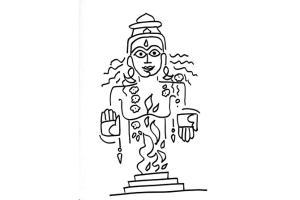
Illustration/Devdutt Pattanaik
 Buddha said that desire is the cause of suffering. Outgrowing desire enables one to experience freedom from suffering. The Vedic approach was very different. Suffering can be reduced when we pay attention to, and try to satisfy, each other's desires. This gave rise to the ritual of yagna.
The person who conducts the yagna was called a yajaman. He lit a fire, and chanted hymns in order to invoke a deity or devata. He gave the devata something to eat, and said, "Swaha." Swaha means what was mine is now yours. Technically, it is the transfer of deeds. "The food that was mine is now essentially yours now. I have no claim on it." And then he did phala-stuti, the asking of a return gift: the fruit of his labour. Having fed the deity, he expected or hoped to be fed in return. Having satisfied your desire, I hope you will satisfy my desire. The yajaman seems like the investor, devata is the investee, swaha is an investment and tatasthu that he seeks is the return on this investment.
Trending Stories
Latest Photos
Latest Videos
Latest Web Stories
ADVERTISEMENT
Mid-Day Fast
ADVERTISEMENT