shot-button
E-paper E-paper
Home > News > World News > Article > US starts investigating Chinas compliance with 2020 trade deal as Trump heads to Asia

US starts investigating China's compliance with 2020 trade deal as Trump heads to Asia

Updated on: 25 October,2025 11:18 AM IST  |  Washington
AP , PTI |

The Americans charged that China unfairly subsidized its own tech companies, stole technology and forced U.S. and other Western companies to hand over trade secrets in return for access to the Chinese market


US starts investigating China's compliance with 2020 trade deal as Trump heads to Asia

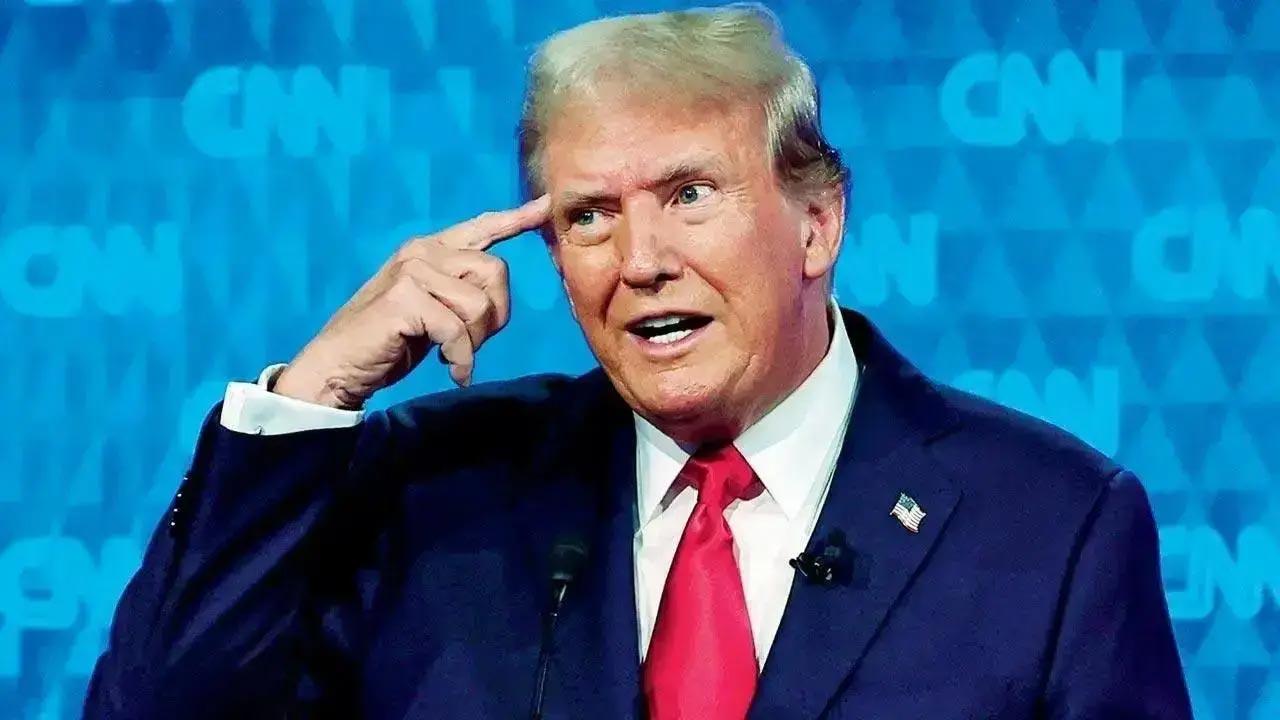
Donald Trump. Pic/AFP

Listen to this article
US starts investigating China's compliance with 2020 trade deal as Trump heads to Asia
x
00:00

U.S. officials are launching an investigation into whether China lived up to its commitments under a 2020 trade pact that President Donald Trump described at the time as "an incredible breakthrough.' The announcement Friday by U.S. Trade Representative Jamieson Greer came the same day Trump was scheduled to head to Asia, where he said he would meet Chinese President Xi Jinping in an effort to ease trade tensions between the world's two biggest economies. Beijing has announced that Xi will travel to South Korea to attend a regional economic meeting and for a state visit, but it has yet to confirm that he will meet with Trump while both are in South Korea.

The possible leaders' summit is highly watched as trade tensions have risen again, with both countries imposing more trade restrictions on the other and Trump threatening a new 100 per cent tariff on China. Beijing has demanded that the U.S. not threaten new restrictions while seeking talks with China, and it's not immediately clear how Greer's announcement could affect the negotiations.


In starting the investigation, "the administration seems to be looking for new sources of leverage to use against Beijing, while adding another pressure point to get China to buy more U.S. soybeans as well as other goods," said Wendy Cutler, a former U.S. trade negotiator who is now vice president at the Asia Society Policy Institute. During his first term, Trump imposed tariffs on a wide swath of Chinese imports, and Beijing retaliated by targeting American products in a dispute over China's aggressive efforts to supplant U.S. technological leadership.


The Americans charged that China unfairly subsidised its own tech companies, stole technology and forced U.S. and other Western companies to hand over trade secrets in return for access to the Chinese market. The two countries held talks over two years and ultimately reached a truce that took effect in early 2020.

The so-called Phase One deal called for China to dramatically step up purchases of U.S. exports, especially soybeans and other farm products. But it left tougher issues, such as China's subsidies, for future talks.

The COVID-19 pandemic disrupted trade between the two countries just as the Phase One deal went into effect. In 2022, U.S. farm exports to China did hit a record, but then fell. They are down sharply this year as tensions between the two countries have escalated over a new tariff war following Trump's return to the White House. In fact, China has stopped buying American soybeans. It had been the top overseas market for U.S. soybean farmers.

An analysis by the Peterson Institute for International Economics shows that China purchased only 58 per cent of the total U.S. goods and services exports in 2020 and 2021 that it had committed to buy under the agreement.

Cutler said it is "no secret that China did not live up to its obligations under the Phase One agreement, most notably its commitments to buy more U.S. goods." The investigation announced Friday is being carried out under Section 301 of the Trade Act of 1974, which is meant to counter unfair trading practices by other countries. The Office of the U.S. Trade Representative has scheduled a public hearing on the case for Dec. 16. The investigation could result in additional trade sanctions on China. U.S. tariffs on Chinese products already come to 55 per cent, including tariffs left over from Trump's first term. The president in early October threatened to add an additional 100 pc levy, possibly bringing the total to 155 per cent, after Beijing expanded export rules on rare earth materials. However, Trump also said the triple-digit tariff would be "not sustainable."

This story has been sourced from a third party syndicated feed, agencies. Mid-day accepts no responsibility or liability for its dependability, trustworthiness, reliability and data of the text. Mid-day management/mid-day.com reserves the sole right to alter, delete or remove (without notice) the content in its absolute discretion for any reason whatsoever

"Exciting news! Mid-day is now on WhatsApp Channels Subscribe today by clicking the link and stay updated with the latest news!" Click here!

Did you find this article helpful?

Yes
No

Help us improve further by providing more detailed feedback and stand a chance to win a 3-month e-paper subscription! Click Here

Note: Winners will be selected via a lucky draw.

Help us improve further by providing more detailed feedback and stand a chance to win a 3-month e-paper subscription! Click Here

Note: Winners will be selected via a lucky draw.

donald trump united states of america china news world news

Mid-Day Web Stories

Mid-Day Web Stories

This website uses cookie or similar technologies, to enhance your browsing experience and provide personalised recommendations. By continuing to use our website, you agree to our Privacy Policy and Cookie Policy. OK