Home / Sunday-mid-day / Article /
The monstrosity of humanity
Updated On: 25 October, 2026 08:02 AM IST | Mumbai | Team SMD
Spooky season is here, but who’s monster and who’s human? That depends on who’s telling the story, historian Dr Surekha Davies says in her new book. From queer folx to women, from differences of caste, colour, or creed, from Jews to now Palestinians, humans have long ‘monstrified’ anyone who doesn’t fit in the mould





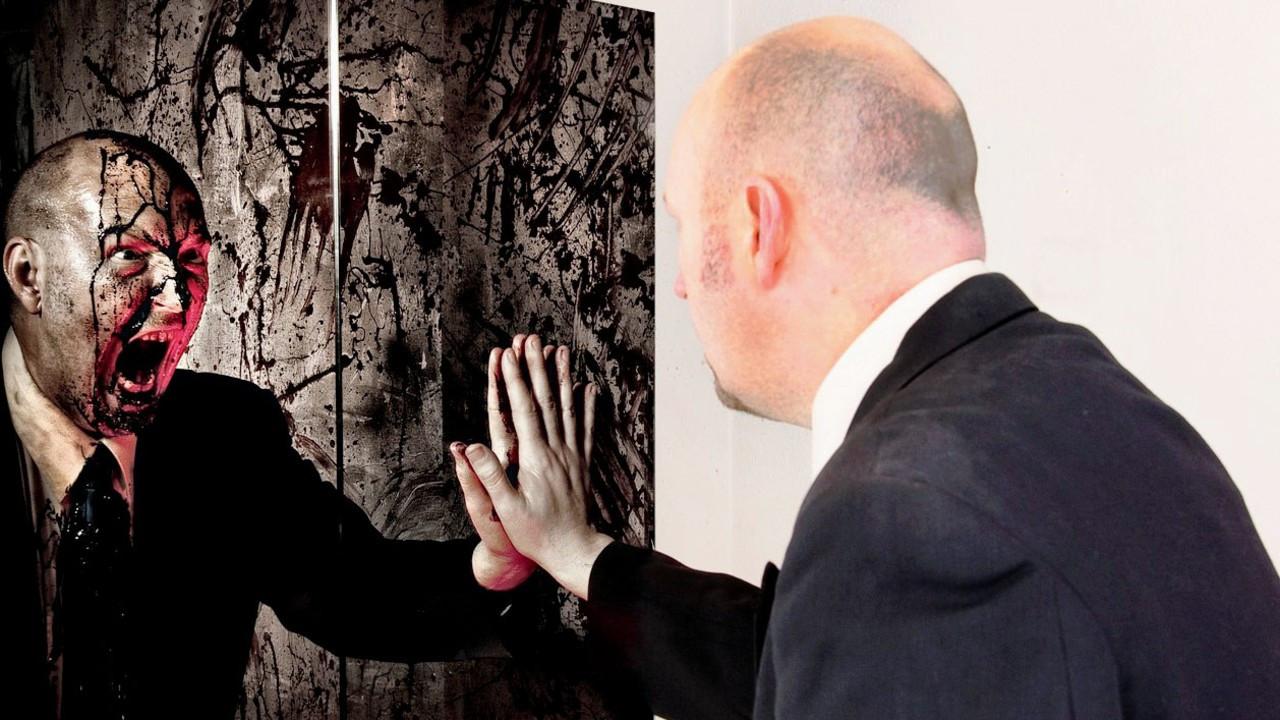
Mirror, mirror on the wall, who’s the most monstrous of us all? Pepresentational pics/iStock
The power and reach of social media have enabled many Far Right activists to engage in stochastic terrorism: persistently using dehumanizing language and inflammatory rhetoric against individuals or groups, thereby inspiring listeners to commit violent acts. In 2023, three teenage girls bashed 16-year-old Nex Benedict’s head repeatedly on the floor of a high school bathroom in Oklahoma. Benedict, who died in the hospital the next day, was two-spirit, trans, and gender nonconforming. In the United Kingdom, the “gender-critical” movement has pitted women’s rights against trans rights. In Poland in 2020, President Andrzej Duda, running for reelection, declared that “LGBT is not people, it’s an ideology.” He claimed that queer people were a greater threat to the nation than communism. Emboldened by this monstrifying language, some local authorities declared their districts “LGBT-free zones.” Poland currently also has a near-total ban on abortion, yet some 70 percent of the population support making abortion easier to access. From Brazil to the Vatican, from Uganda to Taiwan, narratives scapegoating LGBTQIA+ people, blaming them for social, political, and economic woes, have become widespread.
Being poor has become framed as a monstrosity too—a threat to society, a pathology, the problem of individuals choosing not to work or eating avocado toast instead of saving for a mortgage. The equivalent of nineteenth-century “ugly laws” that charged people with smelling too bad or causing a public nuisance by putting their poverty on display are reappearing (read, existing on the same earth as people who aren’t homeless). In 2023, the (now former) British home secretary Suella Braverman called being homeless a “lifestyle choice,” ignoring the austerity measures that the Tory-led government had inflicted on the United Kingdom for over a decade and the rising levels of inequality that contribute to homelessness.
Trending Stories
Latest Photos
Latest Videos
Latest Web Stories
ADVERTISEMENT
Mid-Day Fast
ADVERTISEMENT