Home / Sunday-mid-day / Article /
Why she burns
Updated On: 11 July, 2021 09:00 AM IST | Mumbai | Cynera Rodricks
A photographer spent eight years in the forests of Chattisgarh and Jharkhand, interacting with the many female faces behind the rebellion. Her work is now in the running for a coveted photography award





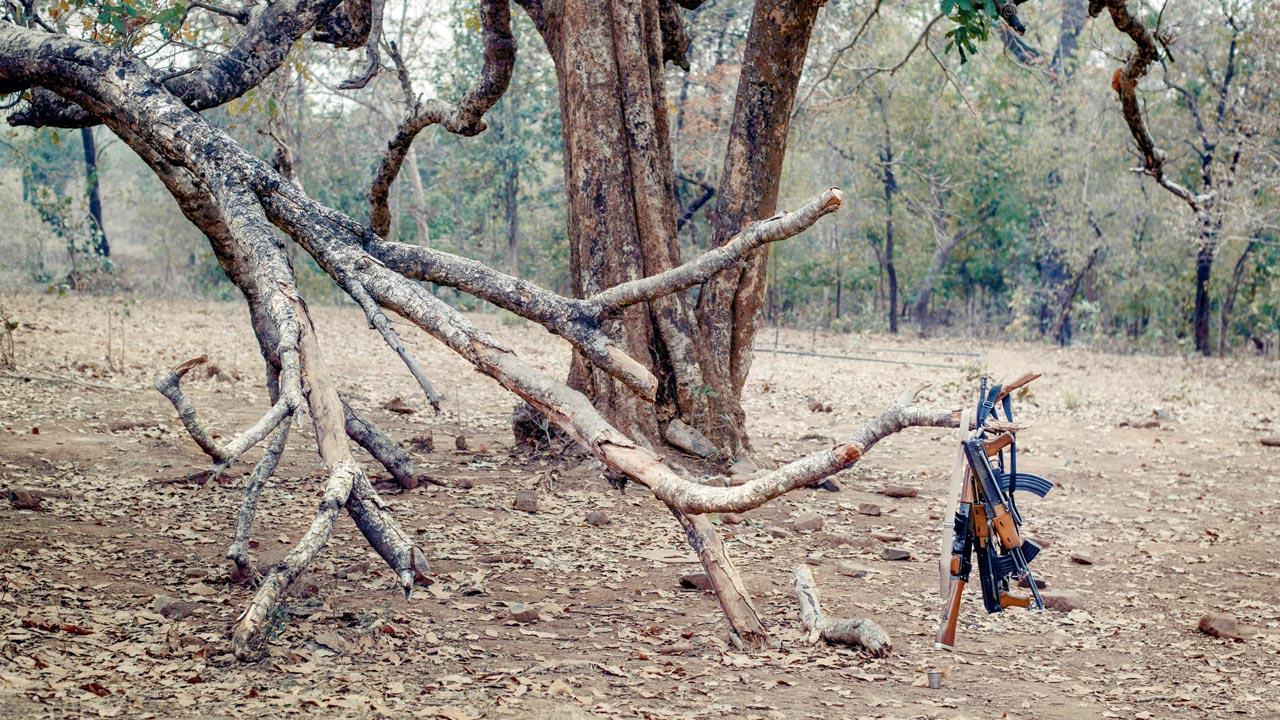
Basu’s pictures explore the Maoist movement, but through the lens of environmental justice and feminism
Naxalbari, located in the West Bengal district of Darjeeling, lit a fire that spread across large parts of India and continues to burn today in the form of the Maoist movement. Exacerbated by the landlords’ exploitation, peasants across the village banded together. In the two years preceding 1967, cadres of the Communist Party of India (Marxist) sowed the seeds of rebellion in Naxalbari. The CPI-M, a splinter group of the Communist Party of India (CPI), was convinced that a true socialist revolution could only be achieved if workers and peasants launched an armed uprising against the moneyed classes.

Trending Stories
Latest Photos
Latest Videos
Latest Web Stories
ADVERTISEMENT
Mid-Day Fast
ADVERTISEMENT