World Pulses Day 2024: Five lesser-known pulses you must include in your diet
Updated On: 08 February, 2024 04:57 PM IST | Aakanksha Ahire
Pulses are rich in protein, fibre and several other vitamins that are essential for our body. They also provide amino acids and are considered a vital part of a healthy diet. As World Pulses Day 2024 is just around the corner, we share five lesser-known pulses you must include in your diet





 01
01 02
02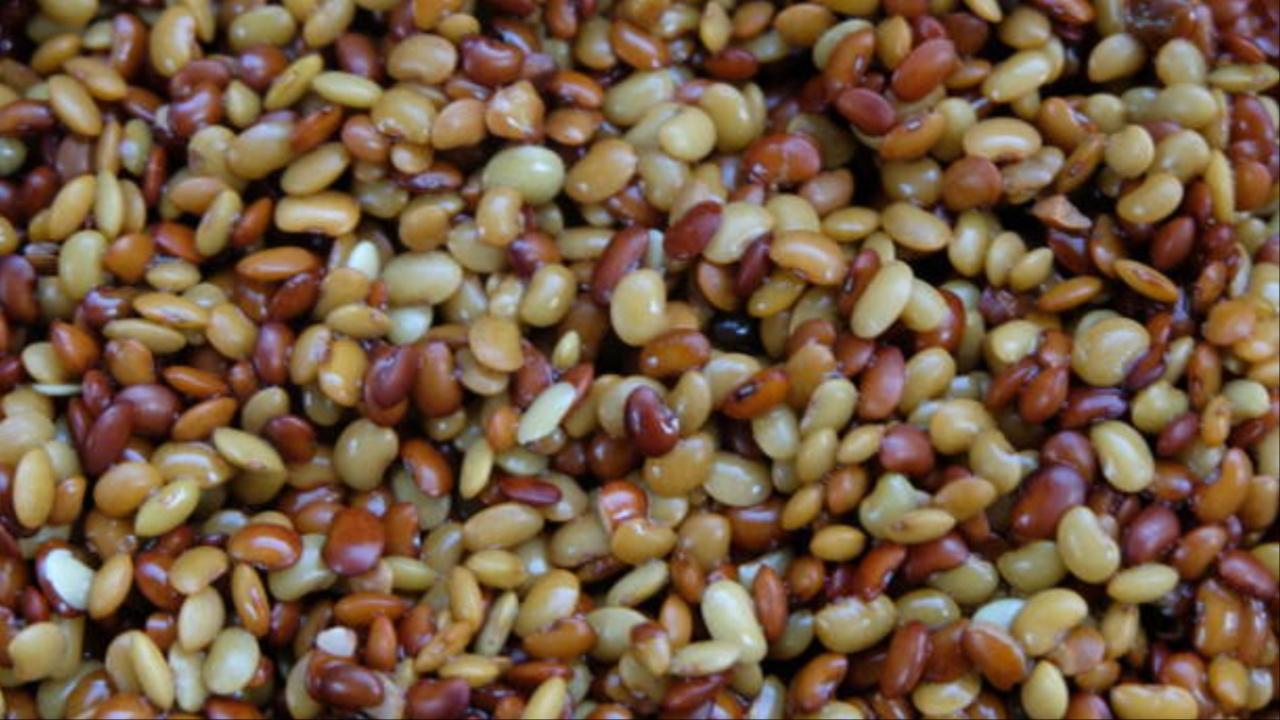
Horse Gram (Kollu or Kulthi Dal):
These are rich in protein and iron. They help in weight management, reduce cholesterol, and are good for digestive health. Horse gram was traditionally used for the treatment of urinary diseases like stones, to regulate menses and also to heal ulcers. These are mainly eaten in winter.
03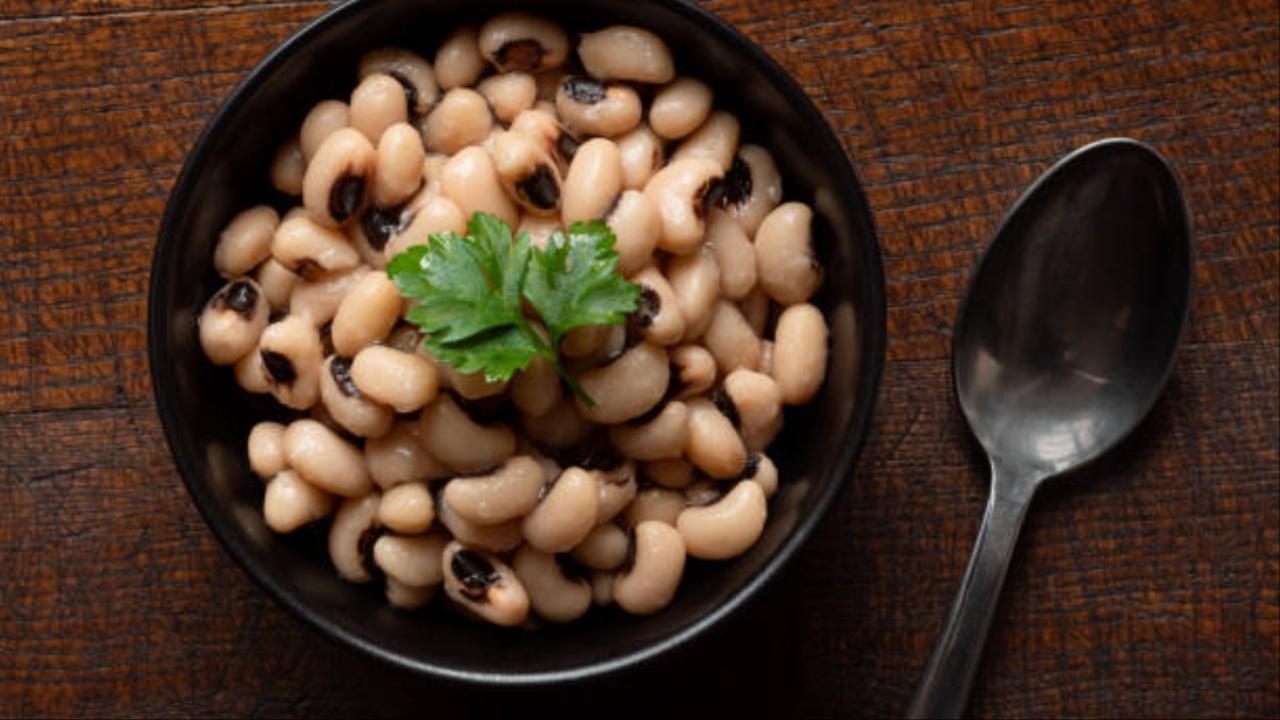
Black-eyed peas (Lobia):
These are loaded with fibre and antioxidants, support heart health, improve digestion, and ensure skin and eye health. They can be eaten in all seasons.
04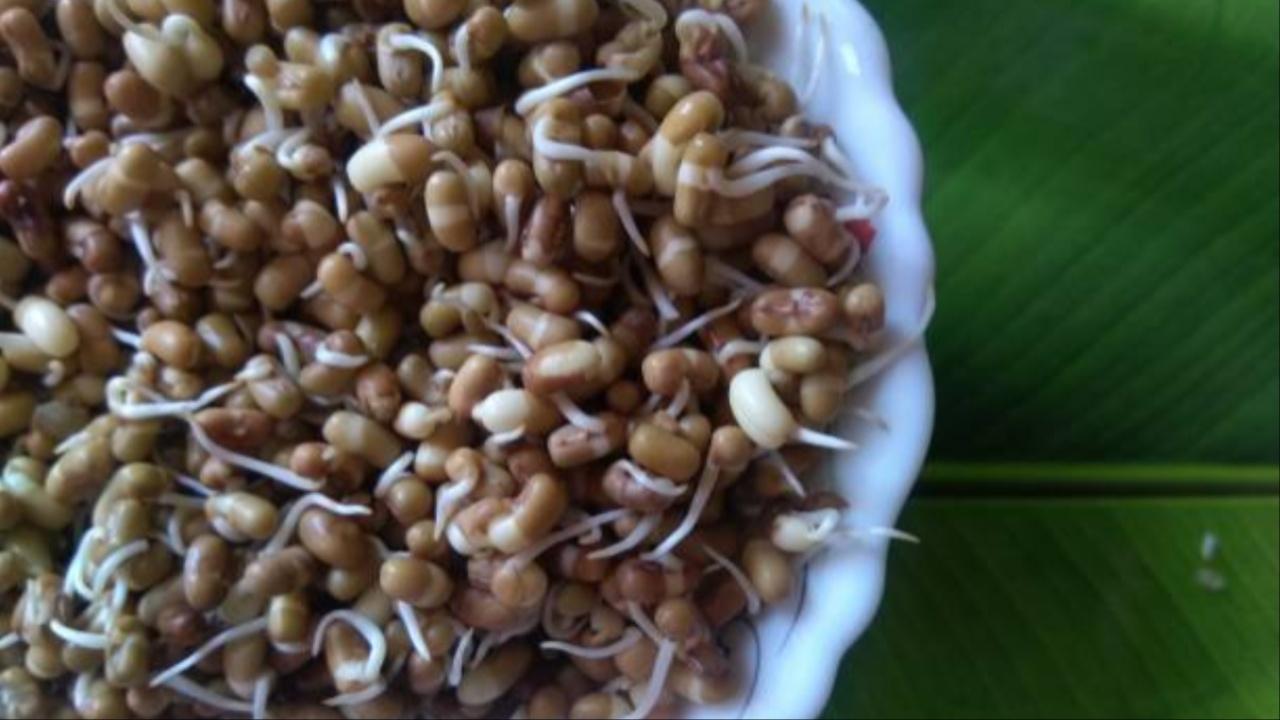
Moth beans (Matki):
They are high in protein, vitamins, and minerals. They promote muscle growth, help in regulating blood sugar levels, and also promote skin health. They can be eaten in all seasons.
05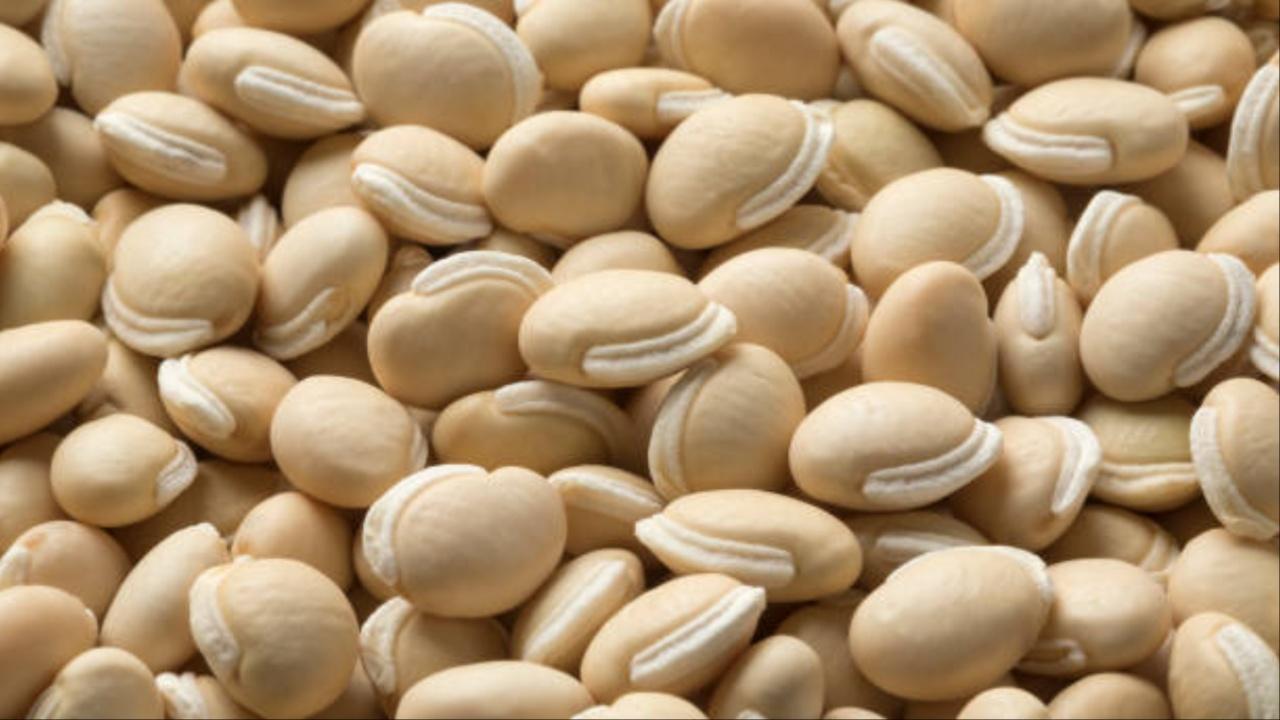
Lablab beans (Avarekalu):
They are a good source of vitamins and minerals. They help in regulating blood pressure, improve immunity, and support bone health. These are mainly eaten in winter.
06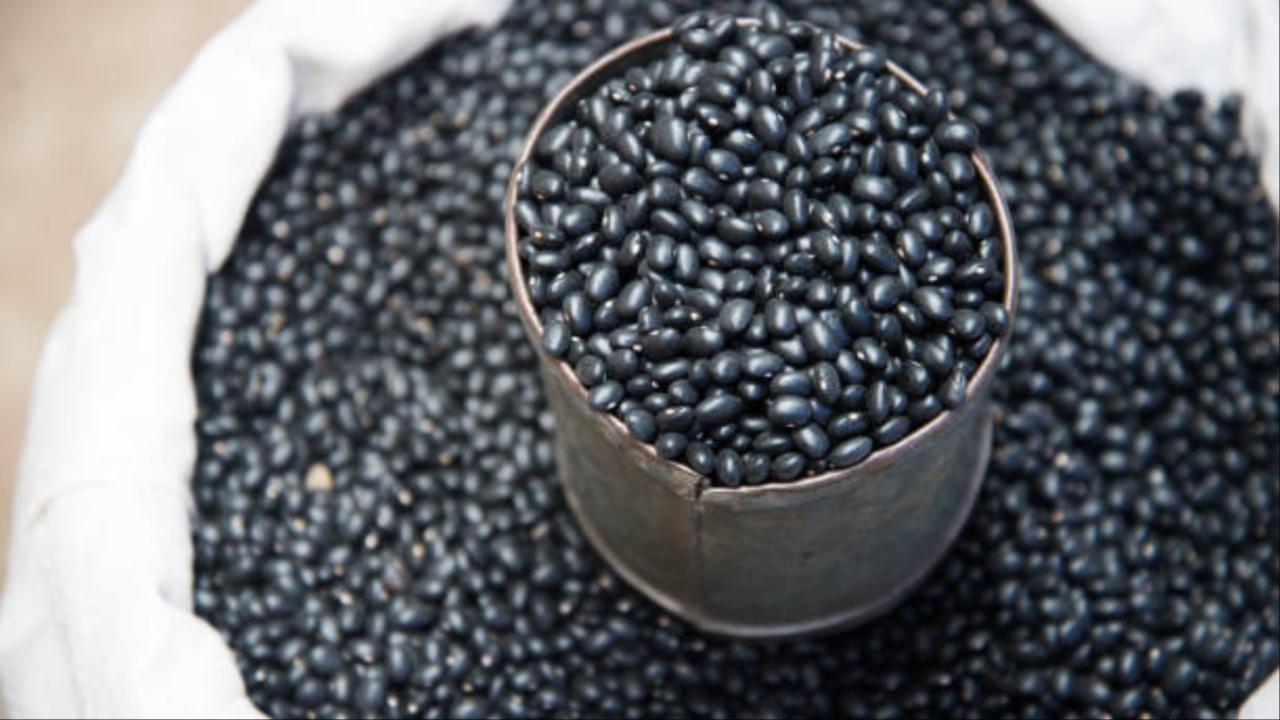
Black peas (Kala Watana):
Also called parched peas or pigeon peas, they are rich in nutrients like Manganese, Molybdenum, and Anthocyanins. They also have inflammatory properties due to the presence of antioxidants. It is useful in metabolic conditions like diabetes, and cardiovascular diseases and also in conditions like cancers and eye care. They can be eaten in all seasons.
Read more about pulses and some unique pulses-based recipes here.
All photos for representational purposes only. Courtesy: iStock
Recommended Photos
ADVERTISEMENT
ADVERTISEMENT
Photo of Day

Goddess’s work
Shopkeepers in Lalbaug arrange figurines of Gauri ahead of Gauri Pooja on Friday. Pic/Ashish Raje