


“That,” Tahira says, “was my first lesson in how music and memory are intertwined, and how movement can be a form of revival.”
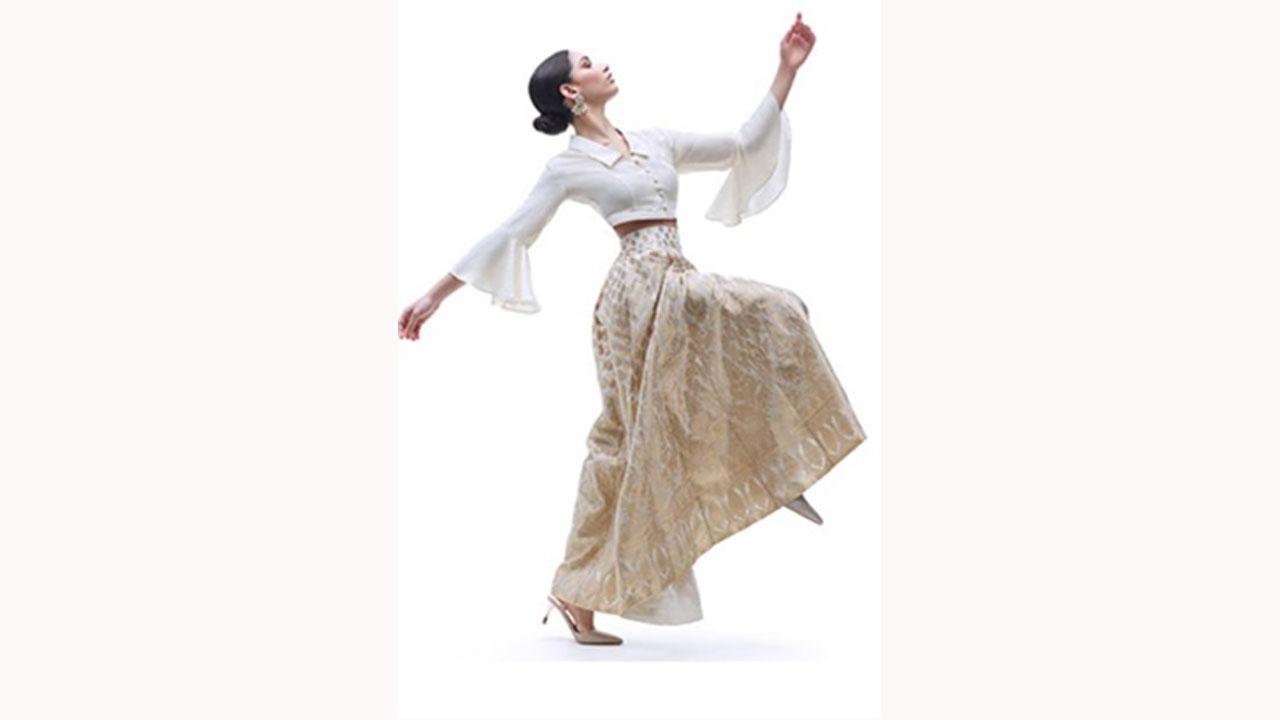
Tahira Pandit
Tahira Pandit is doing what most health systems haven’t managed, bringing movement, meaning, and joy into the lives of India’s elderly. Her initiative, PepSteps, is a science-backed, emotionally anchored movement therapy designed specifically for seniors, particularly those in old age homes who’ve been left behind.
Tahira didn’t have a single “lightbulb moment.” The idea for PepSteps unfolded gradually, shaped by years of dance training, academic curiosity, and deeply personal experiences. “After a dance session, no matter what kind of day I’ve had, I feel clearer and lighter. That emotional shift? I realized it could be shared”, remarks Tahira.
It began with watching her grandparents. Both were skilled jive dancers in their youth. Today, they struggle with mobility and breathing. But play their favorite rock n’ roll or old swing tunes? Their eyes light up. They breathe easier. They move.
“That,” Tahira says, “was my first lesson in how music and memory are intertwined, and how movement can be a form of revival.”
What followed was an ambitious journey. At 14, she began balancing school with neuroscience coursework at Duke University and movement science training through the University of Colorado Boulder. In parallel, she conducted interviews with geriatric doctors across India, the UK, and Australia. Then came Dance on the Brain, her original research paper connecting dance to cognitive and emotional rehabilitation in elderly populations.
By Grade 10, theory turned into practice. A pre-professional dancer with over a decade of training in jazz, ballet, contemporary, and Indian classical, Tahira brought not only science but a dancer’s instinct into every session, reading energy, responding with rhythm, and choreographing with care.
She piloted the first PepSteps sessions at senior homes across Mumbai and Dehradun, watching elders transform from still and disengaged to smiling, swaying, and singing. “One woman sat silent through most of a session, until we played Lal Dupatta Mal Mal Ka. She stood up, lifted her scarf, and twirled. For those few minutes, she wasn’t just present. She was radiant.”
PepSteps works because it’s deeply personal. Each 45-minute session is designed around six clinical pillars: mood, cognition, mobility, balance, pain, and lung function. But it’s not clinical in feel. It’s warm, inviting, and fun. Music from their era. Movements tailored to ability. Moments of shared laughter. Sometimes, even tears.

Most movement programs for seniors borrow from generalized fitness models. Not this one.
“PepSteps wasn’t adapted,” Tahira says. “It was built from the ground up,specifically for elderly Indians. Their language, their memories, their music.”
She built the sessions after observing certified dance movement therapy (DMT) professionals, then refined them through trials and feedback. Each step, gesture, and rhythm is shaped by science but led with empathy. “It’s not about performance,” she explains. “It’s about reconnection.”
The impact? Immediate. Caregivers have reported increased energy and alertness. Participants use words like “light,” “alive,” and “peaceful.” One session even ended with a senior leading the entire group in their own choreography.
Tahira has now developed a bilingual instruction manual in English and Hindi, so that caregivers and facilitators across India can replicate the program. No dance background required. Just heart, music, and a willingness to move. It is an illustrated guide designed to empower caregivers across India to lead sessions with or without formal dance experience, expanding the program’s reach far beyond her own presence.
What’s next? She’s working on an outcome-tracking model informed by feedback from geriatric experts. Tools like the Geriatric Depression Scale, VO₂ tests, and mobility assessments will help turn what’s already visible into measurable proof.
And the vision doesn’t stop at India.
Tahira wants to adapt PepSteps across borders, shaped by local music, culture, and movement. She’s also exploring its use in women’s prisons, where movement could offer not just therapy, but a path back to agency, breath, and presence.
“Leadership,” she says, “is seeing a quiet need and choosing to act. PepSteps didn’t begin with a big plan. It began with a feeling. And I followed it.”
Now, that feeling is moving rooms full of people. Changing days. Reclaiming moments.
In the quiet corners of forgotten homes, music plays, scarves twirl, and slowly, joy returns.
 Subscribe today by clicking the link and stay updated with the latest news!" Click here!