


Kishan Patel bridges healthcare AI and hospitality data science, using "structured empathy" to boost efficiency and sales through human-centric analytics.
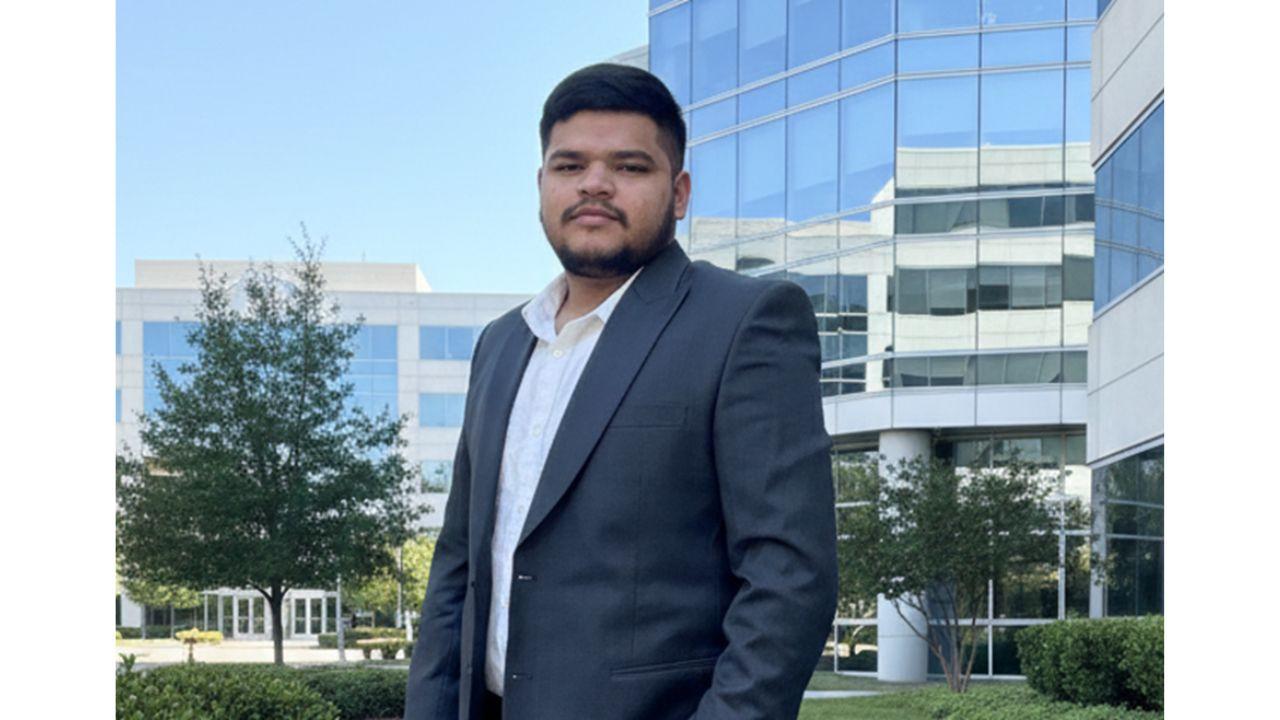
Kishan Patel
At a time when artificial intelligence is revolutionizing everything from healthcare diagnostics to hotel management, the line between industries is rapidly blurring. What once belonged solely in the realm of medical innovation now finds relevance in guest satisfaction and intelligent facility management. Kishan Patel’s journey captures this transformation perfectly: what began as a medical chatbot project in college has evolved into a career at the crossroads of data science and hospitality infrastructure.
As a data analyst at USA LEDs, a company providing customized lighting solutions to the hospitality industry. His work, however, is more than just about LEDs. It’s about turning complex data into actionable insights for motel chains and developers. Surprisingly, the root of his career lies in an entirely different domain: healthcare AI. While pursuing his bachelor’s degree in computer engineering, Patel developed an AI-powered medical chatbot capable of addressing basic health queries using natural language processing. “It taught me more than just technical logic,” he says. “It showed me how real-world users engage with tech-and how every good solution begins with understanding them.”
This user-first mindset followed him into the hospitality sector, where he transitioned from a college intern to a full-time analyst at USA LEDs. Patel's role involves analyzing purchase trends, product performance, and client preferences, all through the lens of structured reasoning and human behavior modeling that he honed during his AI project. “Whether I was helping someone find a health solution or guiding a motel owner through a lighting decision, the principle remained the same: there’s always a real person behind each data point,” he shares. That insight has guided not just how he interprets data, but how he presents it, turning spreadsheets into stories that resonate with clients.
Patel’s contributions are not just theoretical-they are measurable. By applying AI-inspired data interpretation techniques, he helped his organization improve how it matches lighting products to customer needs. The result: a 25% increase in repeat orders. His work also contributed to a 20% reduction in order mistakes and an 18% drop in excess inventory. “These weren’t just numbers to me,” he reflects. “They were signs that we were listening better, responding smarter, and moving faster.”
A major milestone in his current work includes supporting large-scale hotel development projects with Baron Hospitality. He analyzes lighting data, prepares tailored recommendations, and helps ensure operational efficiency. His expertise is also showcased on a national stage-most recently at hospitality conventions such as AAHOA, where he helped his team present analytical insights to clients and stakeholders.
But Patel’s path hasn’t been without challenges. One of the toughest, he says, was translating technical knowledge from a healthcare context into a commercial setting. “In healthcare AI, you're dealing with clinical logic. In hospitality, it’s sales trends, customer preferences, and planning cycles. It’s a different language,” he explains. “So, I started shadowing our sales team, learning the industry, and aligning my technical skills with business goals.” That adaptability turned him into a bridge between raw data and strategic decision-making-an asset for any organization navigating digital transformation. Today, Patel uses what he calls “structured empathy” to balance algorithms with business intuition. It’s a skill set that many companies are only beginning to value.
Working on the medical chatbot showed him that technology should always be about improving the user experience. “While I switched industries from healthcare to hospitality, the lesson resonated with me: there is a real person behind each choice,” he says. He learned the value of clear communication and customer satisfaction. “That approach, created throughout my engineering project, has shaped how I listen to customer feedback and turn data into real-world improvements.”
Anticipating future trends, Patel sees a growing role for AI in hospitality analytics. He envisions smart recommendation systems that guide motel owners on product choices, predictive models that streamline inventory planning, and data platforms that align more closely with human behavior. “There’s huge potential when you don’t confine your skills to one industry,” he says. “Cross-industry thinking is what sparks real innovation.”
His call to action for professionals and businesses alike? Don’t just adopt AI-humanize it. “Technology should never lose sight of the people it serves,” he emphasizes. “Whether it's a patient or a hotel guest, solutions must be clear, accessible, and empathetic.”
As industries become more intertwined, Patel’s story offers a blueprint for what’s possible when you apply old lessons in new places. From answering health questions with a chatbot to transforming how motels manage lighting and logistics, he’s shown that good data work is never about the numbers alone-it’s about the people behind them.
 Subscribe today by clicking the link and stay updated with the latest news!" Click here!