


Avoid common Annapurna Circuit trek mistakes with expert tips on acclimatization, packing, weather, and planning for a safe, rewarding journey.
Annapurna Circuit Trek
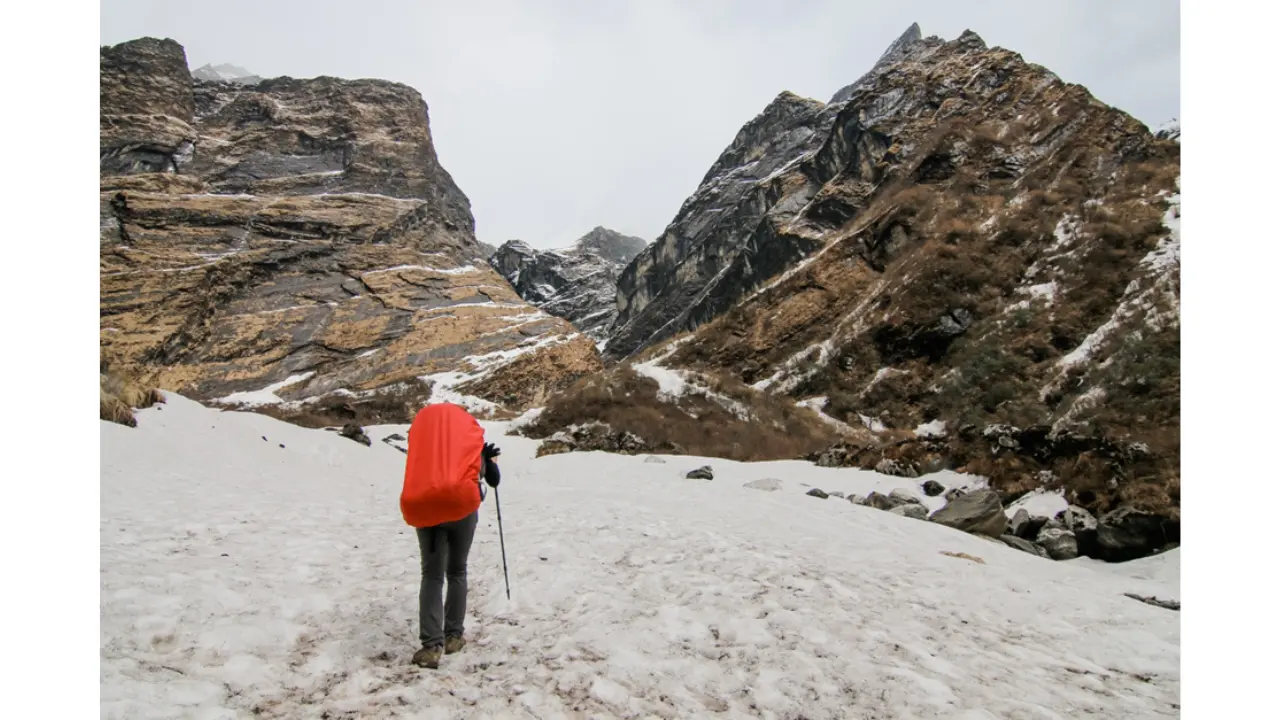
If nothing else, the Annapurna Circuit is a journey of extreme contrasts: One minute you're trekking across dusty plains, and the next you're 5,000m high and above the tree line. It's a rewarding trip, with everything from lush subtropical valleys to the high-altitude crossing of Thorong La Pass (17,769 feet/5,416 meters) - but it takes careful planning.
The loop itself is woefully underrated by many a trekker, who undersell the trail as no more than a walk in the woods rather than an honest-to-goodness high-altitude adventure. Just by not making these mistakes here, you could experience the best time of your life, rather than making it a complex and potentially dangerous experience. One way for you to travel more safely and comfortably - even confidently - is to know what others do wrong.
Trying to Cram it in and Ignoring Acclimatization
Let's take a look at some more common mistakes people make when doing the Annapurna Circuit (and many treks) in order to help you get prepared. Temptation to comply with a tight schedule or keep up with your fellow trekkers ends in skipping acclimatization days (especially within the Manang location).
Hiking an excessive amount of elevation too quickly, and you are puttingyourselff at danger for altitude sickness, which could hit even the fittest, most skilled hiker. Correct acclimatization ought to enable the body to gradually adapt to waking up in a thinning atmosphere (which reduces tiredness and mental haze). It's essential that your time schedule remains somewhat flexible, as the hills are not conducive to well-orchestrated, tight schedules.
Misjudging Thorong La Pass
It has also been argued that the circuit may be a bit of a walking treadmill, but again, it's easier since there are now hokey-cokeys and by-passes allowing line-steppers to leapfrog. The myth is also the one that comes to a head on the day of hiking up and over to Thorong La. The climbing, sub-zero temperatures, the forceful wind, and the high altitude will conspire to make it by far the toughest day of the trek. Leaving too late, being insufficiently clothed for the cold, and getting confronted by his fitness for a crossing can turn it into an exhausting ordeal. Seeing Thorong La for what it really is – that is something of a high-altitude challenge – should take you to your lofty crossing.
Poor Packing and Terrible Gear Selection
Another big mistake is poor packing. Some trekkers overpack, and some underpack or even take poor-quality gear. Heavy backpacks are exhausting and long, especially at altitude, while a lack of clothing leaves trekkers exposed to the cold and wind. As the Annapurna Circuit Trek goes through different climate zones, it is recommended to wear layered clothing. You can't hide away with your heavy trekking shoes, a warm sleeping bag, and sun & cold protection.
Neglecting Food and Water Management
Underhydrating and eating incorrectly are minor but fatal sins. High up the body dehydrates more rapidly, and you generally don't have as much of an appetite, even though you will be using more calories. Most trekkers underestimate their liquid needs and tend to drink too much tea or coffee. GenAcclimatizations are beneficial for Acclimatization and reduce fatigue and headaches. To maintain energy levels all day on the trails, eat regularly and reasonably-especially carbs.
Doing it Without Physical Conditioning
The Annapurna Circuit is nontechnical but involves a lot of stamina. Some arrive without doing any preparation (and with equally unrealistic expectations of "getting in shape on the trail"). And that can, in turn, lead to achy joints, extreme fatigue, or injury early on. Take some long walks, stairs, or cardio workouts in before your trek, and you might just thank yourself for it. The physical preparation prepares you to take in scenery and culture rather than aim for making it through every day.
Ignoring Weather and Seasonal Conditions
Choosing the wrong time of year or ignoring weather warnings are other unforced errors. Spring and fall are more like it, but even the weather can turn on a dime in the mountains. Winter treks confront glacial temperatures with heavy snowfall, while inthe monsoon, landslides and poor visibility are at perilous levels.
This is not something you can ignore and listen to at a later date, since it may be life-threatening if you push aside local weather forecasters and recommendations. And in the end, do you make an informed decision by listening to guides, teahouse owners, r,s and other trekkers.
Overconfidence and Poor Risk Awareness
On the Annapurna Circuit, an invisible danger is that of overconfidence. Some push when they are tired, blow past signs of altitude sickness, or grind on despite deteriorating weather. This sort of mindset may result in potentially disastrous health problems. Veteran climbers understand that when to rest, descend, or change plans is not a mark of weakness. Mountains demand humility, and the humble who have enough respect for a mountain are way more likely to last long on the whole trek.
No, understand the culture-sensitive and local manners.
The Annapurna Circuit is culture, not just a pack and body. Ripping towns I respect with speed is a lost opportunity and a big mistake. To disregard these local customs, to be underdressed and view the teahouse as merely a gateway is to miss whatʼs interesting about it. Equally significantly, embracing both Gurung, Thakali, and Manangi cultures will dramatically enrich your trek whilst making countless friends along the way.
Failing to Plan Logistics Properly
And poor planning involving permits, money, and daily distance can cause unnecessary stress. Licenses for the Annapurna Circuit need to be arranged in advance, and ATMs quickly vanish past specific points. You can't just count on being able to obtain cash anywhere, anytime, and walking for miles every day will not only become tiring, but it also becomes practically unsustainable. Traveling well in advance of village-hopping situations can become a lot easier to handle, and your travel won't panic you that much.
Final Conclusion
Side-step Annapurna Circuit Trek's typical blunders with a bit of pre-trek planning, patience, and respect – for both your body and Mother Nature… as well as local customs. If you allow yourself ample time to acclimatize, pack wisely, drink enough water, do a little bit of training in advance, and keep it flexible in terms of plans along the way, the experience is one of the most rewarding on earth.
The Annapurna Circuit is not a race; it's one of the most diverse trips on this planet. But whilst you come to it willing, aware, and humble, the trail does more than deliver you a number of the most lovely moments that the us has to offer; it gives up instructions in resiliency, balance, and journey.
 Subscribe today by clicking the link and stay updated with the latest news!" Click here!