


Weekend drinking may feel social, but it can become emotional coping. Learn the signs and mental health impact from psychiatrist Dr. Prabhojit Mohanty.
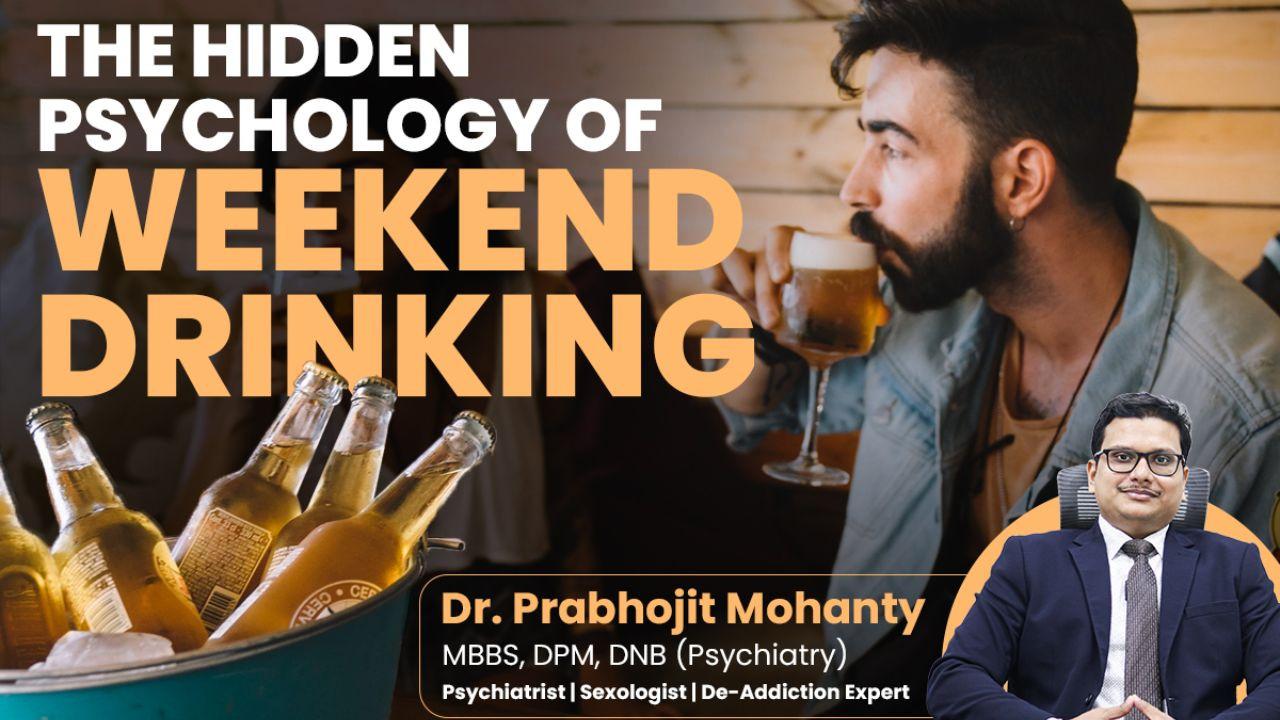
The Psychology of Weekend Drinking.
“Relax, it’s just weekend drinks.” Most of us have said this or believed it, or used it to justify that extra round after a long week. But here is the uncomfortable question people rarely ask themselves. Are you drinking to celebrate or to cope?
According to Dr Prabhojit Mohanty, psychiatrist, de-addiction Specialist and sexologist, many people who think they are social drinkers are actually using alcohol as an emotional reset button without realising it, and that changes everything.
The Weekend Ritual That Feels Completely Normal
Think about your typical week. Deadlines pile up. Traffic drains you. Work stress lingers. Personal responsibilities never really switch off. By Friday evening, you feel mentally exhausted. So you do what everyone around you does. Meet friends. Order drinks. Finally relax. At first, it feels like a treat. Then it becomes routine. Then it starts feeling necessary. That is where the shift happens quietly.
When Choice Turns Into Relief
Drinking as a genuine choice feels light and flexible. You can skip it easily. Your mood does not depend on it. You enjoy yourself whether alcohol is present or not. Drinking as a coping pattern feels different. You look forward to it all week. Stress automatically triggers the urge. You feel restless without it. Alcohol becomes your emotional switch-off. When your brain connects relief with alcohol, it is no longer just social behavior. It becomes learned emotional regulation.
Why Your Brain Encourages Weekend Drinking
Alcohol temporarily reduces anxiety and slows mental activity. It softens emotional intensity. It gives quick relaxation without effort. Your brain remembers shortcuts that work fast. So when stress builds again, it recalls the quickest relief it knows. Drink and feel better. Repeat this enough times, and your brain stops seeing alcohol as entertainment. It starts seeing it as a solution. That is how coping patterns forms. Gradually. Quietly. Socially accepted.
The “I Deserve This” Loop
One of the strongest reinforcements is emotional justification. You had a stressful week so you drink, you feel low so you drink, you want to celebrate so you drink, you feel bored, so you drink. When one habit becomes the answer to every emotional state, it stops being casual. It becomes functional.
Signs It May Be Emotional Coping
Be honest with yourself if you notice these patterns. Your mood lifts only after the first drink. Social settings feel uncomfortable without alcohol, you mentally plan weekends around drinking, mondays feel heavier after heavy weekends, and you drink even when you did not intend to. These are not necessarily signs of addiction. But they do suggest emotional reliance.
Why This Is So Common Today
Modern urban life rarely gives people healthy emotional release. We stay busy but not rested. Connected but not emotionally supported. Stimulated but not regulated. Yet drinking is normalised everywhere. Social circles expect it. Work culture encourages it. The media glamorises it. So coping becomes culture.
The Hidden Impact Nobody Notices
Weekend drinking feels harmless because it is limited to a few days. But your brain responds to patterns, not calendars. Over time this can reduce natural stress tolerance, disturb sleep quality, increase anxiety between drinking periods, and slowly raise alcohol tolerance. Ironically, what feels like stress relief can make your nervous system more sensitive in the long run.
A Simple Reality Check
Next time you go out, try socialising without drinking. If you feel completely comfortable, it is likely a choice.
If you feel tense, incomplete, or unable to relax, your brain may be seeking emotional regulation. That is important information about yourself.
The Real Question Is Not How Much You Drink
It is why you drink. If alcohol is your only way to unwind, your weekend ritual may not be leisure. It may be emotional survival dressed up as social fun. Recognising the difference is the first step toward real control.
Contact Details:
Dr. Prabhojit Mohanty, Psychiatrist in Malad, Mumbai
Address: Altiuz Hospital, 1st Floor, Link House, New Link Rd, near Malad West, Malad, Rajan Pada, Chincholi Bunder, Malad West, Mumbai, Maharashtra 400064
Website: psychiatristmumbai.in
If you or anyone in your surroundings is suffering from addiction issues, you can connect at mentalgymkhana@gmail.com or +91 70082 66758
Location: https://share.google/3zBV4X2J8JvlXlrQb
 Subscribe today by clicking the link and stay updated with the latest news!" Click here!