


Acute Aortic Dissection is a rare, deadly emergency. Rapid diagnosis and urgent surgery are vital to save lives. Early screening can prevent disaster.

Meril
Acute Aortic Dissection (AAD) is a rare but deadly medical emergency that occurs when blood leaks through a tear in the aorta – the main artery carrying blood from the heart to the body. Of particular concern is Type A (ascending) AAD, the most dreaded complication of aortic disease. Mortality rises rapidly, increasing by approximately 1% every hour, reaching nearly 50% within 48 hours and as high as 95% within three months despite optimal medical treatment.
Most patients experience sudden, severe chest or back pain that may mimic a heart attack or even abdominal pain. The pain is maximal at onset and can be accompanied by absent radial or femoral pulses. Low blood pressure may develop due to cardiac tamponade or aortic rupture, while breathlessness can occur because of heart failure linked to severe aortic valve leakage. Acute heart attacks may result when the dissection flap obstructs coronary blood flow. Neurological complications such as stroke, spinal cord ischemia or hypoxic brain injury may also appear. If the dissection extends to branch vessels, patients can suffer bowel or limb gangrene or kidney failure.
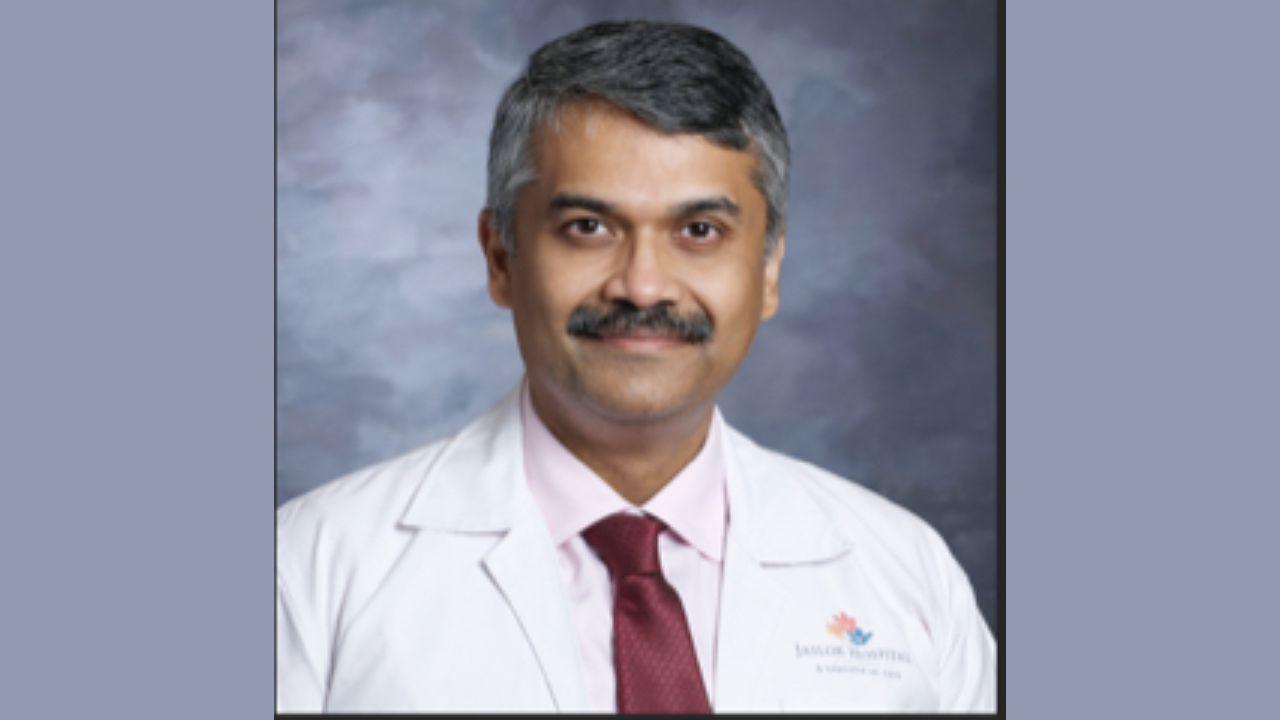
Dr. Hemant Pathare (Jaslok hospital and Holy Family hospital, Mumbai)
The condition is most common in people with uncontrolled hypertension, congenital bicuspid aortic valves or inherited connective tissue disorders like Marfan syndrome. Diagnosis is typically confirmed with a 3D CT angiogram, which clearly visualises the dissection flap.
Treatment is always surgical and time-critical. Procedures often involve replacement of the aortic root and valve, ascending aorta, and re-implantation of the coronary arteries. In complex cases, surgeons may also need to replace part of the aortic arch, which supplies the brain and upper limbs. These operations are long and technically demanding, often requiring deep body cooling and even circulatory arrest to safely replace arch vessels such as the carotid and subclavian arteries. Because of the complexity and stress involved, not every cardiac surgeon is willing to undertake them.
“In acute aortic dissection, every minute counts. Rapid diagnosis, timely referral to a specialised centre and prompt surgical intervention are critical to saving lives,” says Dr Hemant Pathare, Consultant Cardiovascular and Heart Transplant Surgeon at Jaslok Hospital, S L Raheja–Fortis and Nanavati Max Hospital.
Preventing such catastrophic emergencies requires vigilance. Regular screening with chest X-rays, 2D echocardiograms and CT scans in at-risk individuals can help detect aortic disease early, allowing elective management before disaster strikes. Public awareness and timely medical attention can dramatically improve survival in this often-overlooked but deadly condition.
 Subscribe today by clicking the link and stay updated with the latest news!" Click here!