





Learn how a single Instagram story became a powerful citizen-led movement, Greenmyna, tackling marine waste in Mumbai and beyond.
Mumbai’s Biggest Sustainability Movements
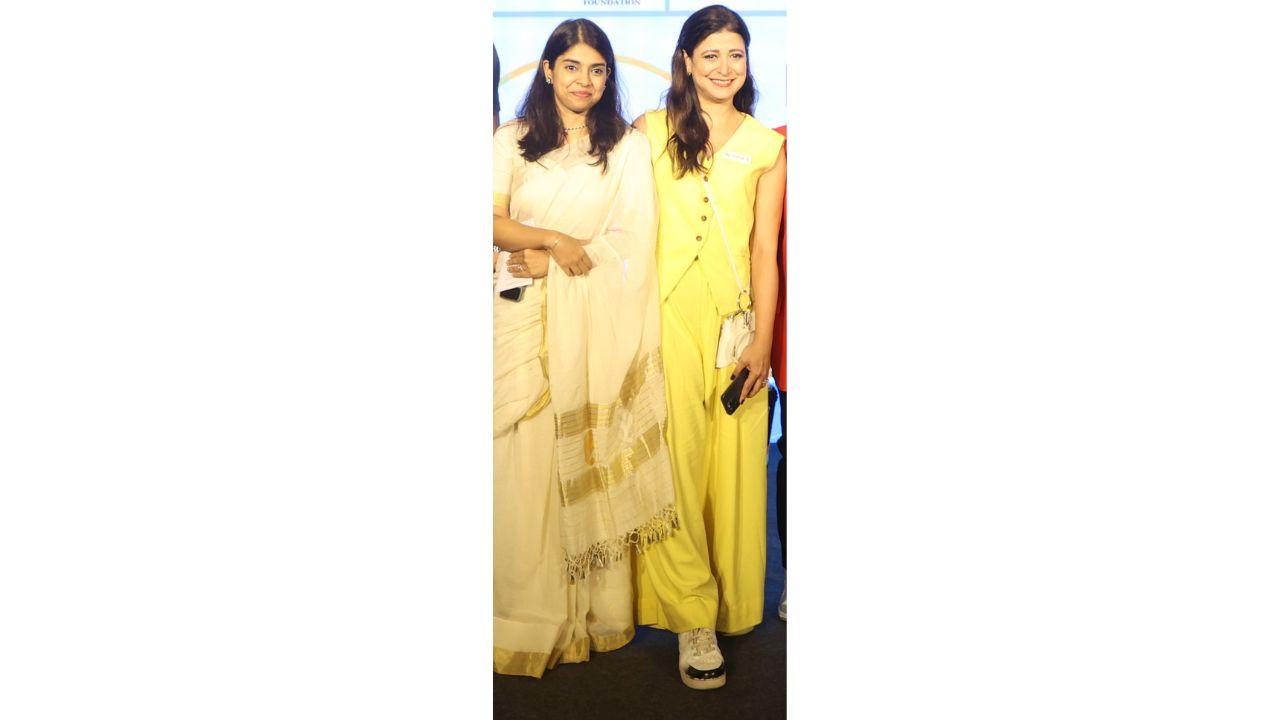
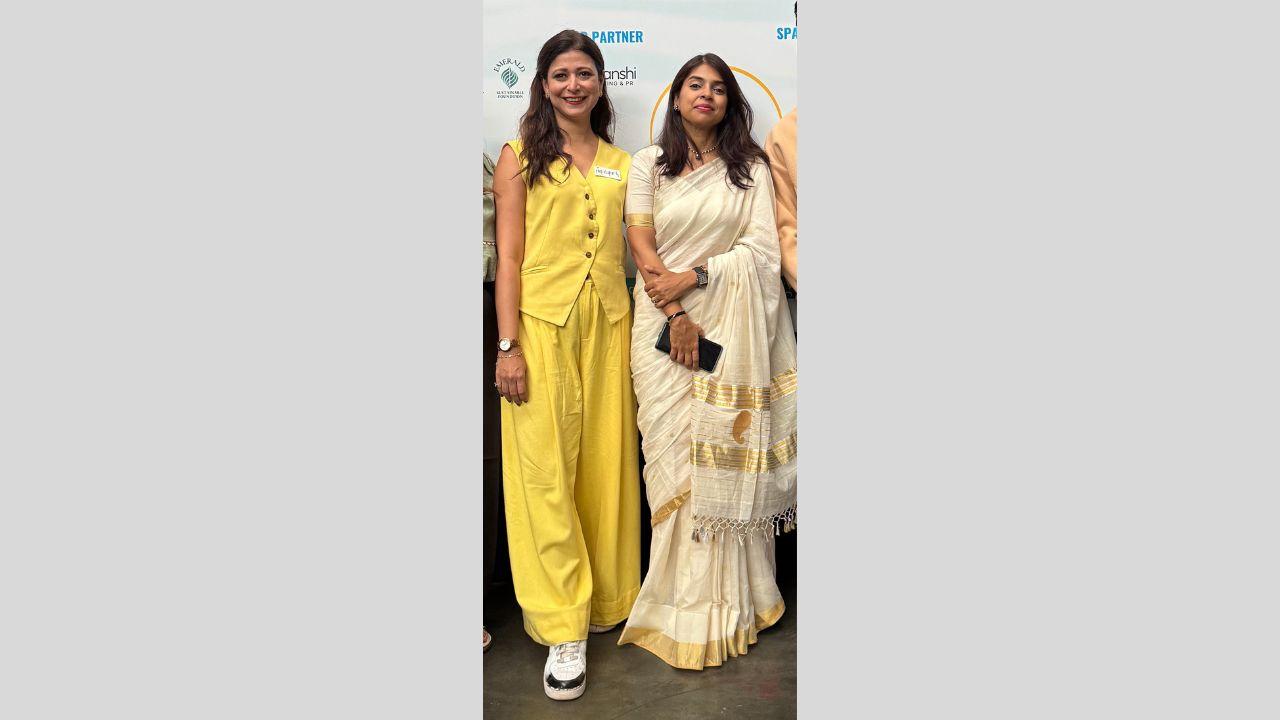
What began as a single Instagram story during the lockdown has today grown into one of Mumbai’s most powerful citizen-led environmental movements. From weekend beach clean-ups at Carter Road to founding Greenmyna and hosting the India Clean-up Confluence (ICUC 2.0), co-founders Freishia B. and Nupur Agarwal have rallied thousands of Mumbaikars to take responsibility for their city. Together, they’ve removed over two lakh kilos of marine waste while shaping a culture of sustainability that is rippling far beyond the shoreline.
1. Carter Clean Up has become one of Mumbai’s most recognized citizen-led environmental movements - what was the spark that started it, and how has the journey evolved since then?
Freishia: I never would have thought that one Instagram story could spark a movement and bring a sea change (excuse the pun) in my life.
During the lockdown, I saw old school OG Pali Hill resident Harold Fernandes cleaning the beach all by himself. It touched a nerve I was unaware of-I had grown up playing on that very shore. So, I posted a story inviting people to join Harold and me. On that first Saturday Maansi, Nupur, and Ashwin showed up and the rest, as they say is history; except it was a future none of us imagined.
Four years later, we’ve led 200 beach clean-ups and removed over two lakh kilos of marine waste.
2. From a weekend clean-up drive to shaping Greenmyna as a structured sustainability initiative, how did you envision this transition and what impact has it created so far?
Nupur: When we started out with weekend beach clean-ups, the intent was simple, to respond to the overwhelming sight of plastic waste on our shores. But over time, we realized that picking up waste alone was not enough, we needed to address the systems and behaviors that generate it. That’s where Greenmyna also started focusing on prevention, from clean-ups to structured sustainability interventions. Today, we work not just on beaches but with schools, corporates, and events, ensuring that sustainability becomes part of everyday decisions. The impact has been both tangible, over 200,000 kg of waste diverted from landfills and oceans and intangible, in the form of a community of citizens and organizations who now see themselves as active stakeholders in this change.
3. ICUC 2.0 marked a milestone for your efforts - what were your key goals going into it, and how did the outcomes surpass your expectations?
Freishia: When we began planning ICUC 2.0, one thing was certain-the theme had to be From Ripples to Waves. Across India, clean-up movements have been building extraordinary momentum, drawing more and more citizens into action.
We knew that many powerful voices were already out there, with efforts that have tripled in just the past year, and even more voices waiting to be heard. ICUC 2.0 proved just that: over 300 participants and 60+ organizations from across the country came together, representing every facet of the clean-up community.
This is more than a gathering-it’s a testament to a growing movement that demands a stronger voice, greater representation, and a platform worthy of its impact.
4. Looking back, what have been some of the most powerful moments or success stories that reaffirmed your belief in the power of citizen-driven change?
Nupur: There have been many, but one that stands out is when our weekend clean-ups inspired schoolchildren to join in through our certification programme. People who were once passive bystanders became custodians of the shoreline. Another was when corporates reached out to us after seeing the clean-ups, asking how they could make their offices or events waste-free. These moments proved that small, voluntary actions can ripple outward to influence systems and policies. The India Clean-up Confluence itself is a testimony to this, what began as a handful of citizens cleaning their neighborhood is now a nationwide conversation bringing diverse stakeholders together.
5. Sustainability efforts often face challenges in consistency and scale - what hurdles have you faced and how have you managed to keep the momentum alive?
Freishia: While volunteers and funding are always the first hurdles we need to overcome to keep the momentum alive, an even bigger challenge remains-what happens to the waste once we collect it?
Marine waste is highly contaminated, and recycling it is anything but simple. The good news is that many promising solutions are now being explored. We’re already in conversation with several organizations working on emerging technologies that can finally make recycling marine waste a reality.
If we manage to crack this, it will be a game-changing breakthrough for clean-up movements everywhere. I wish people would realize that their own interests and the secure future of the coming generation are tied in to us succeeding.
6. How do you see collaborations between citizens, corporates, and government shaping the future of clean and green initiatives in cities like Mumbai?
Nupur: No single stakeholder can solve the waste crisis alone. Citizens bring passion and accountability, corporates bring scale and innovation, and governments bring regulation and infrastructure. When these forces align, real transformation is possible. In Mumbai, we are already seeing this synergy, from policy measures like the plastic ban to companies committing to zero-waste events, and citizens holding both accountable. The Confluence is about building this ecosystem of collaboration so that sustainability isn’t a siloed effort but a shared mission.
7. Finally, what message would you like to leave with Mumbaikars - especially the younger generation - about their role in building a greener, more responsible city?
Nupur: To the younger generation, I’d say: never underestimate the power of small, consistent actions. Carrying your own water bottle, refusing single-use plastics, segregating waste at home, these choices may feel minor, but when multiplied across a city, they redefine its culture. Mumbai has always been a city of resilience and community spirit. If its citizens, especially its youth, channel that energy into environmental responsibility, Mumbai can set the benchmark for urban sustainability in India and beyond.
Freishia: This country is your home-just as much as your hall, your kitchen, or your bedroom. Care for it, love it, and nurture it the same way you would the spaces closest to you.
Across India, countless clean-up movements are already showing what’s possible. And if each of us takes responsibility-whether it’s a neighbourhood, a beach, a mountain, or a forest-we can weave those efforts together into something far greater.
Because when we all do our part, small ripples of action can grow into waves of change-and create the better tomorrow we dream of.
 Subscribe today by clicking the link and stay updated with the latest news!" Click here!