
These aren’t flaws,” she explains. “They’re inherited stories. And they can be re-written.
Nirupama Subramanian
Despite decades of progress, corporate leadership in India remains heavily skewed. The Global Gender Gap Report 2024 by the World Economic Forum estimates that it may take over 131 years to achieve global gender parity. Women currently hold just one in ten senior roles in India-and for those who make it, the journey often feels lonely, exhausting, and filled with invisible hurdles.
While policies and pledges create visibility, real transformation often begins within. That’s where Nirupama Subramanian steps in-with a rare focus on what’s not just externally broken, but what’s internally possible. Her work helps women decode their conditioning, reclaim their power, and lead from a place of authenticity.
An author, executive coach, and founder of Powerfulife Solutions, Nirupama has built a leadership framework rooted in Indian ethos and real-world experience. Through her work with over 3,500 women, she has shifted how leadership is accessed, understood, and embodied.
The Six Archetypes of Power:
Her first book, Powerful, introduced the Powerfulife Assessment-a tool that maps leadership identity through six culturally rooted feminine archetypes. These are not abstract ideas; they’re lived energies drawn from mythology and modern experience:
- Kanya (The Good Girl): Conforming and eager to please, the Kanya gains approval but often silences her own voice.
- Rani (The Leader): Responsible and authoritative, the Rani leads with structure but may feel burdened by control.
- Veera (The Warrior): Bold and driven, the Veera takes charge, often battling perceptions of being “too much.”
- Apsara (The Influencer): Charismatic and intuitive, the Apsara builds harmony-but risks compromising authenticity.
- Ma (The Nurturer): Caring and dependable, the Ma supports others while neglecting her own needs.
- Rishika (The Seeker): Visionary and reflective, the Rishika offers insight but can feel isolated.
“These aren’t leadership styles,” Nirupama says. “They are inner identities-each with its own energy, wisdom, and shadow.”
Most of us operate from one or two dominant archetypes. Nirupama’s coaching helps women recognize and evoke all six. It’s not about changing who you are-but fully becoming who you are meant to be, using the right energy at the right time.
The Four Power Blocks:
Across her programs, Nirupama found that women from vastly different backgrounds often shared common limiting beliefs. She calls them power blocks-deep-rooted patterns shaped by years of cultural and systemic messaging:
- Deter: The inner voice that says, “Not now. I’m not ready.”
- Diminish: The self-doubt whispering, “I’m not good enough.”
- Divide: The internal split between personal and professional selves.
- Decorate: The pressure to appear perfect-even when running on empty.
“These aren’t flaws,” she explains. “They’re inherited stories. And they can be re-written.”
Her work empowers women to recognize these blocks, challenge them, and reclaim agency. The change is personal-but it ripples through systems.
From Women to Everyone: The Nurturing Quotient:
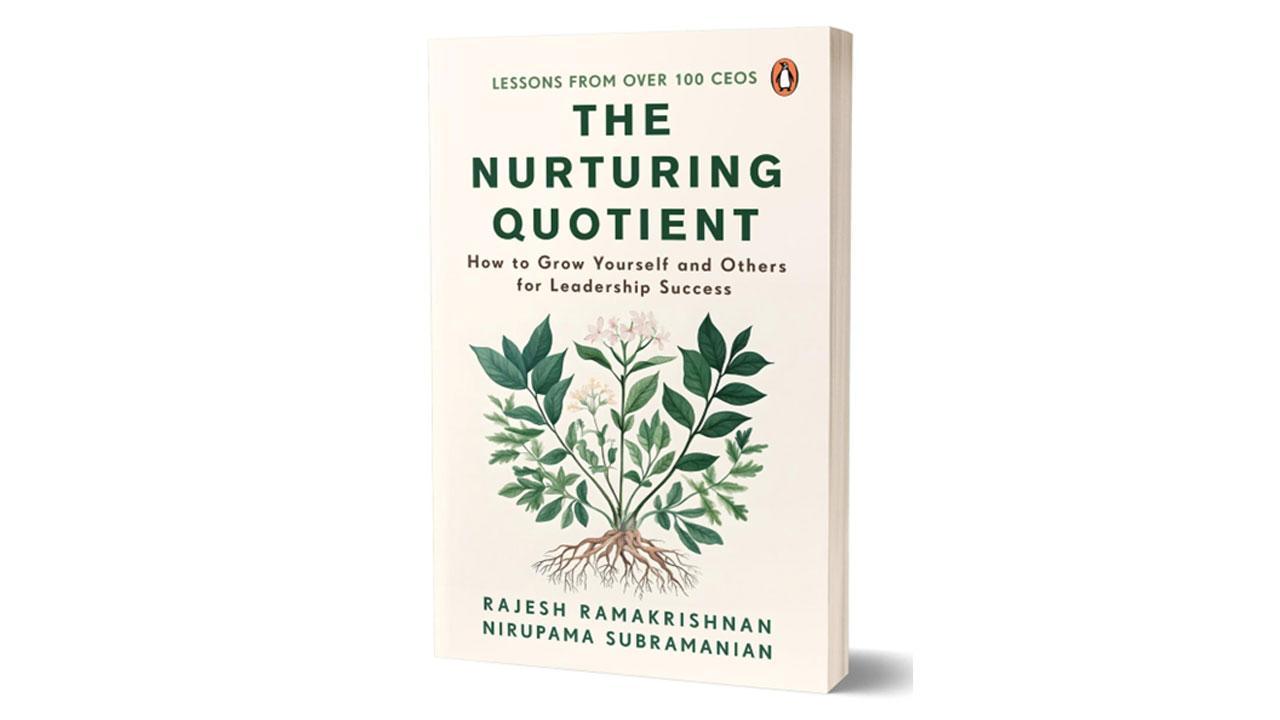
Building on the impact of Powerful, Nirupama partnered with her husband, business leader Rajesh Ramakrishnan, to co-author The Nurturing Quotient. This book expands the leadership lens beyond gender or position.
Based on insights from over 115 Indian CEOs, The Nurturing Quotient redefines nurturing as a strategic strength. In today’s burnout-prone workplaces, leaders who nurture themselves, their people, and their cultures are best positioned to create sustainable impact.
The NQ framework helps leaders assess themselves across three dimensions:
- Self-Care: The ability to manage energy-physical, emotional, mental, and spiritual.
- People-Care: The skill to coach, mentor, and listen actively.
- Cultural-Care: The capacity to create trust and psychological safety within teams.
High-NQ leaders embody HOPE-Humility, Openness, Patience, and Empathy-and are not just performers, but culture-builders.
Rooted in Indian Wisdom:
What makes Nirupama’s work unique is its unapologetic Indianness. While many leadership models are built on Western ideals of dominance and individualism, Powerful and The Nurturing Quotient draw on values like seva (service), sangha (community), and sahridayata (compassionate understanding).
“This isn’t about trading one model for another,” she says. “It’s about reclaiming wisdom we’ve always had-but stopped recognising as powerful.”
The Way Forward:
Leadership transformation doesn’t begin with a new title-it begins with a mirror.
For women, it means stripping away expectations to rediscover who they are. For all leaders, it’s about shifting from control to care, from performance to presence.
Nirupama Subramanian isn’t just changing how leadership looks-she’s changing how it feels. Less armour. More authenticity. Less proving. More presence.
Because the real question isn’t “How do you lead?”
It’s: Who are you when you lead?
 Subscribe today by clicking the link and stay updated with the latest news!" Click here!