Home / Entertainment / Bollywood News / Photos /
21 years of Black: 12 reasons why Sanjay Leela Bhansali's film remains a classic
Updated On: 04 February, 2026 02:36 PM IST | Amarylisa Gonsalves
Sanjay Leela Bhansali has given the Indian film industry several pathbreaking films, one of which is Black, which marked a turning point in his career. The film proved that he could deliver a powerful, intimate drama too, alongside his larger-than-life spectacles. As Black completes 21 years of its theatrical release on February 4, here is a look at some lesser-known and remarkable facts that make the film an enduring classic.




1/13

2/13
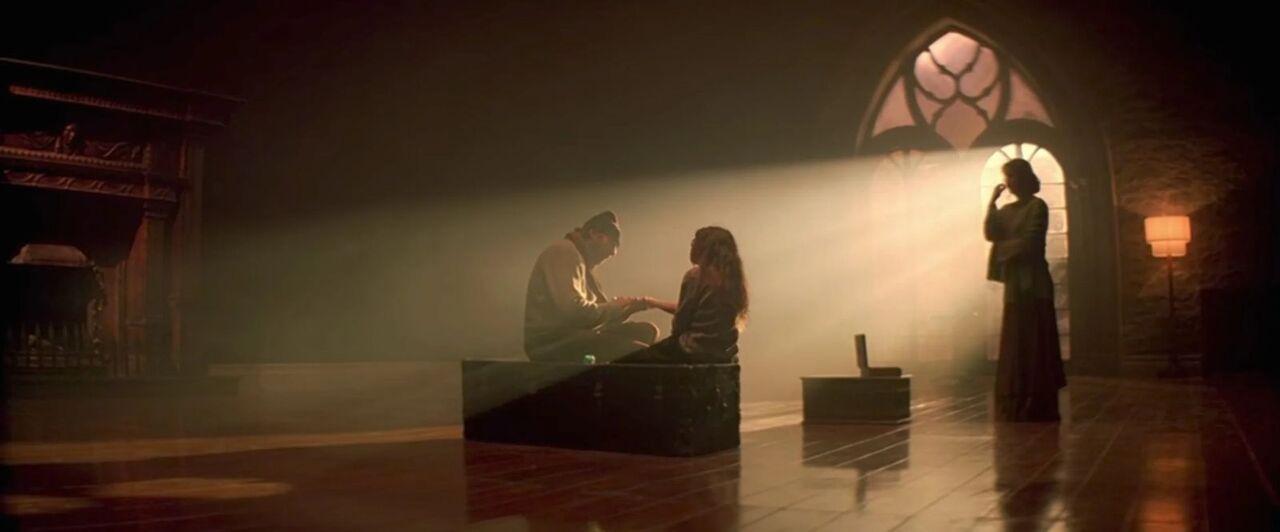
The film drew inspiration from the life of renowned deaf-blind activist Helen Keller and her teacher Anne Sullivan, reimagined through an Indian cultural context.
ADVERTISEMENT
3/13
Bhansali brought together Amitabh Bachchan and Rani Mukerji in two of their most acclaimed performances, creating an on-screen dynamic that remains unmatched even today.
.jpeg "At the 51st Filmfare Awards, Black created history by winning all 11 awards it was nominated for, making it the most-awarded film in Filmfare history at that time.At the 51st Filmfare Awards, Black created history by winning all 11 awards it was nominated for, making it the most-awarded film in Filmfare history at that time.")
4/13
At the 51st Filmfare Awards, Black created history by winning all 11 awards it was nominated for, making it the most-awarded film in Filmfare history at that time.At the 51st Filmfare Awards, Black created history by winning all 11 awards it was nominated for, making it the most-awarded film in Filmfare history at that time.
ADVERTISEMENT
.jpeg "In South Korea, the Korean language version was released in 2009.")
5/13
In South Korea, the Korean language version was released in 2009.

6/13
At the 53rd National Film Awards, Black won three major honours, including Best Feature Film in Hindi and Best Actor in a Leading Role for Amitabh Bachchan.
ADVERTISEMENT

7/13
Bhansali's Black was among the first mainstream Hindi films to avoid conventional song-and-dance routines, using background score as an emotional anchor instead.

8/13
Rani Mukerji reportedly learned sign language and trained extensively to authentically portray a deaf-blind character, making the performance physically and emotionally exhausting.
ADVERTISEMENT

9/13
The film’s universal theme led to a Turkish remake titled Benim Dünyam, released in 2013, proving that Black transcended cultural and geographical boundaries.
.jpeg "The project was officially announced in 2003, however its conception began way back in the 1990s when Bhansali encountered several disabled children during the making of Khamoshi: The Musical (1996). ")
10/13
The project was officially announced in 2003, however its conception began way back in the 1990s when Bhansali encountered several disabled children during the making of Khamoshi: The Musical (1996).
ADVERTISEMENT

11/13
Unlike Bhansali’s earlier films, Black features only one song with lyrics, titled "Haan Maine Chukar Dekha Hai", written by Prasoon Joshi and performed by Gayatri Iyer.
.jpeg "It was showcased at the Indian Film Festival of Los Angeles on 20 April. Later, the film was screened in the section of Marché du Film at the 2005 Cannes Film Festival. Similarly it made to several other film festivals.")
12/13
It was showcased at the Indian Film Festival of Los Angeles on 20 April. Later, the film was screened in the section of Marché du Film at the 2005 Cannes Film Festival. Similarly it made to several other film festivals.
ADVERTISEMENT
.jpeg "Not only Hindi, versions of the film in other languages, including Korean and English, also did exceptionally well.")
13/13
Not only Hindi, versions of the film in other languages, including Korean and English, also did exceptionally well.
ADVERTISEMENT
Photo of Day
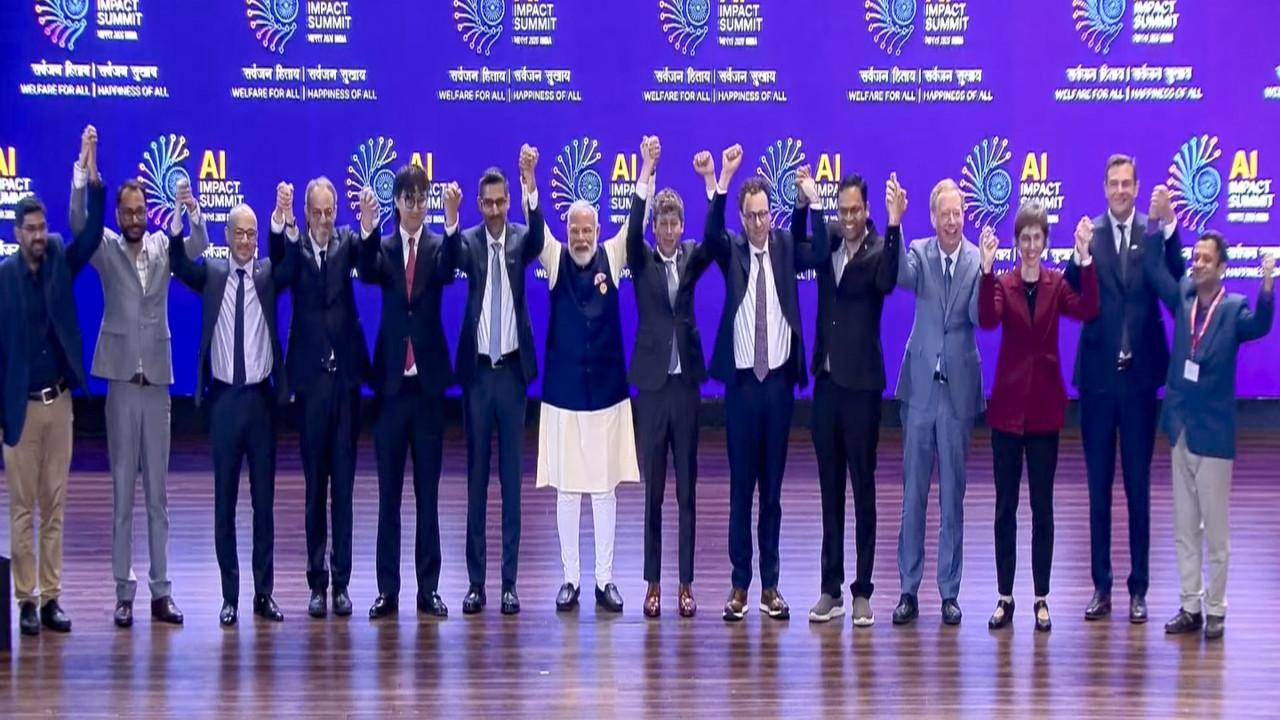
Global AI leaders join PM Modi in a bid to push for a smarter, inclusive future
PM Narendra Modi joins hands with Google CEO Sundar Pichai, OpenAI CEO Sam Altman, and others during the India AI Impact Summit 2026, in New Delhi. PIC/PTI
ADVERTISEMENT