Home / Entertainment / Hollywood News / Photos /
Loved Avatar Fire and Ash? Then these James Cameron movies are a must-watch
Updated On: 19 December, 2025 08:22 PM IST | Amarylisa Gonsalves
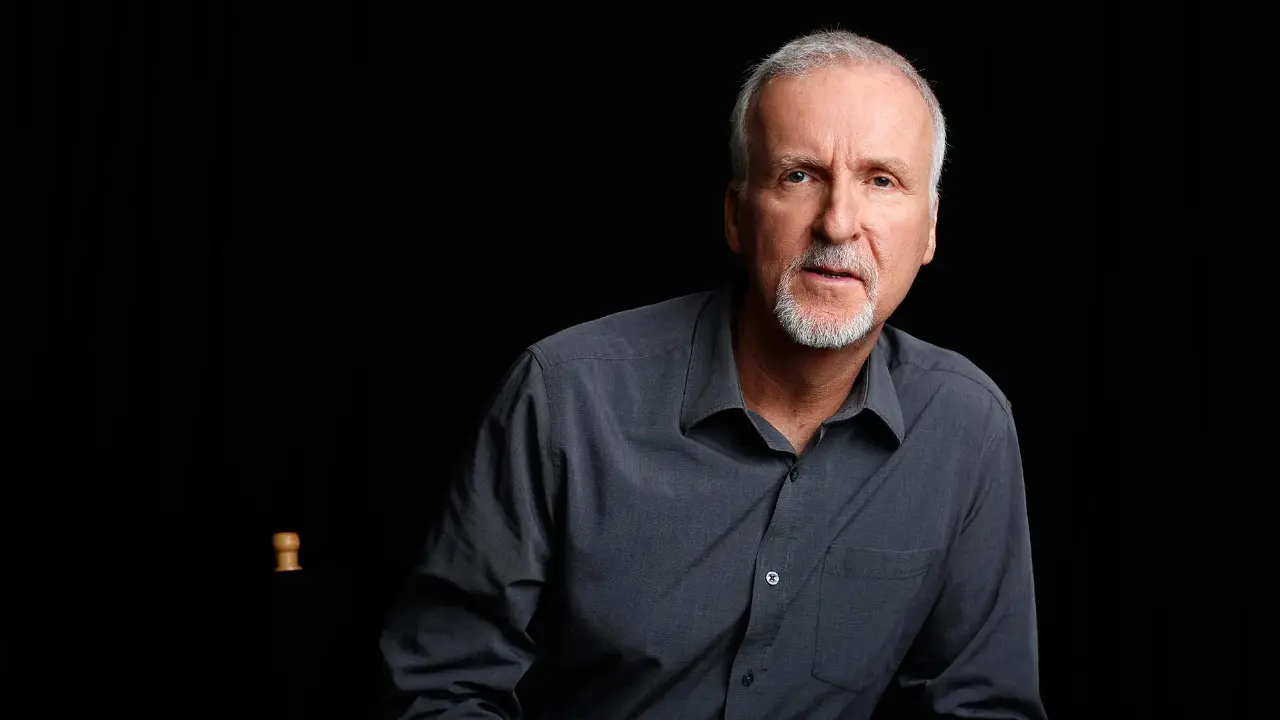
Legendary filmmaker James Cameron is back with another much-awaited film, Avatar: Fire and Ash, and as usual, he does not fail to deliver. The third instalment of the Avatar franchise was released globally on December 19, 2025, and has been received with an overwhelming response. Known for his winning formula of blending cutting-edge film technology with classical filmmaking techniques, the world's second-highest-grossing film director of all time is truly a master of his craft. If you loved Avatar: Fire and Ash or are an ardent fan of the franchise, you need to add these must-watch films of James Cameron to your watchlist.



1/14

2/14
Aliens of the Deep (2005)
This documentary explores the hydrothermal vents in the Atlantic and Pacific Oceans. Cameron collaborated with NASA scientists and marine biologists aboard the Russian research vessel Akademik Mstislav Keldysh and conducted roughly 40 dives to study the Mid-Ocean Ridge.
ADVERTISEMENT
3/14
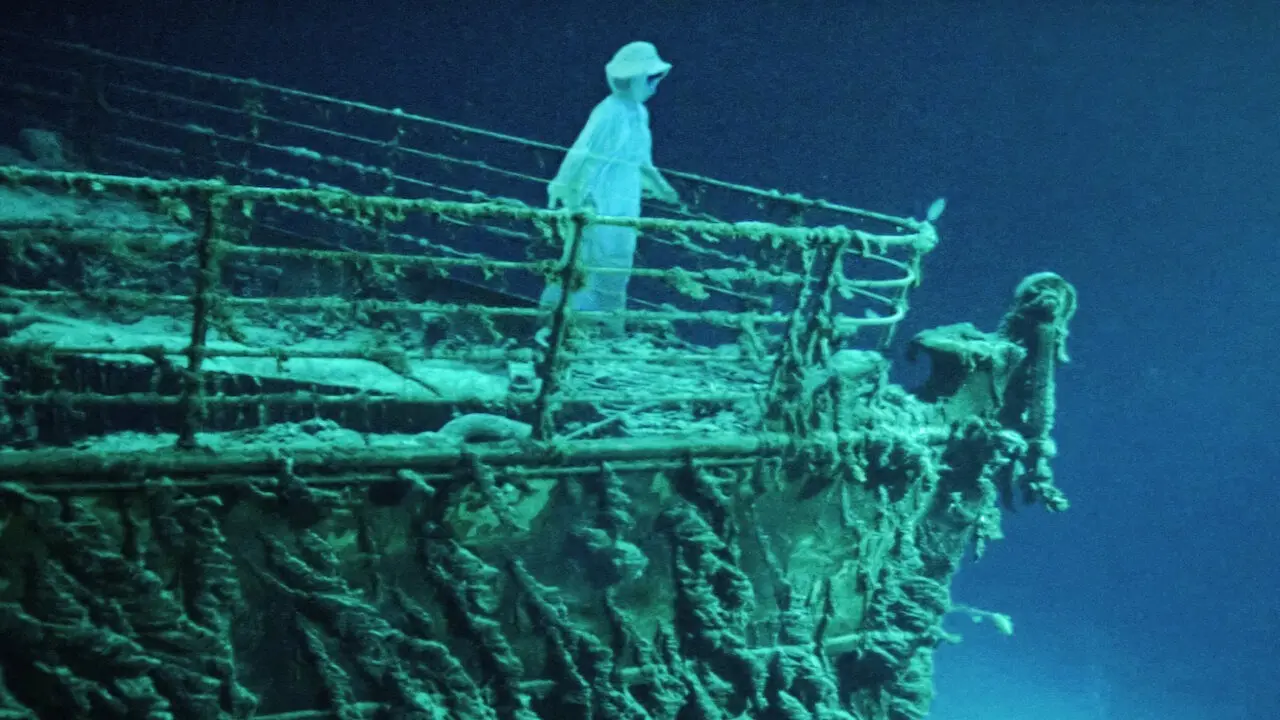
Ghosts of the Abyss (2003)
For this documentary, James Cameron returned to the wreck of the RMS Titanic. It became the first 3D film released by Walt Disney Pictures and utilised groundbreaking deep-sea imaging technology.

4/14
The Abyss (1989)
This underwater science-fiction thriller was written and directed by James. The film is believed to be one of the most physically gruelling and dangerous productions in Hollywood history, so much so that both James Cameron and Ed Harris nearly drowned during production.
ADVERTISEMENT

5/14
Avatar: Fire and Ash (2025)
Cameron has described the latest instalment as a deeper exploration of human nature, particularly the cycles of hate, grief, and revenge. It is made on a budget exceeding USD 400 million.
6/14
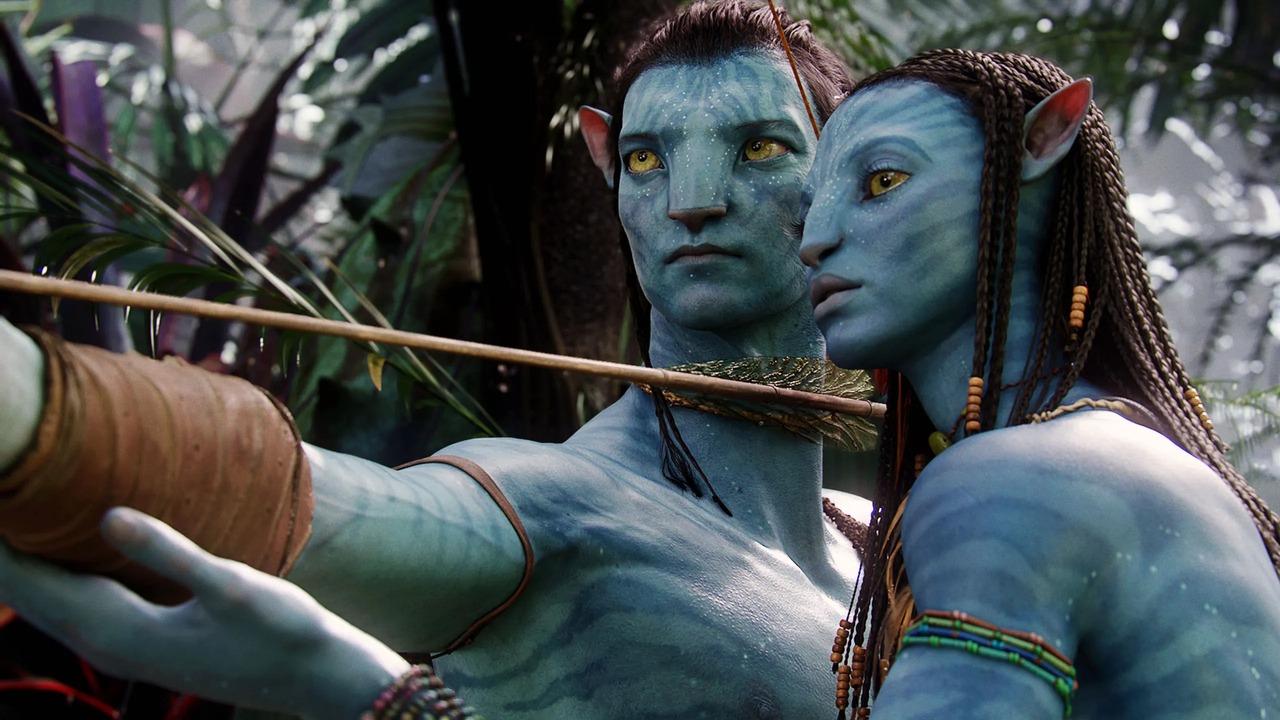
Avatar (2009)
This epic science-fiction franchise is renowned for its pioneering use of 3D technology and performance-capture techniques. Interestingly, Cameron developed a virtual camera system to enable him to see actors as their digital counterparts in real-time during filming.
ADVERTISEMENT

7/14
True Lies (1994)
James stepped slightly into the comedy genre with this film, while maintaining his action stronghold. It is known for groundbreaking practical stunts, including the use of actual Harrier Jump Jets and a massive explosion of the Seven Mile Bridge.

8/14
Expedition: Bismarck (2002)
This Emmy-winning documentary is more of Cameron's passion project. He led a team of historians and explorers to inspect the wreck in order to solve the long-standing debate of whether the ship was sunk by the British Royal Navy or scuttled by its own crew.
ADVERTISEMENT

9/14
Terminator 2: Judgment Day (1991)
This film is regarded as one of the greatest sequels and science fiction action films ever made. Made with the biggest budget of its time, James redefined the use of computer-generated imagery (CGI) in Hollywood with this film.

10/14
Avatar: The Way of Water (2022)
For the second instalment, Cameron developed new underwater performance-capture technology, a feat never previously accomplished in cinema.
ADVERTISEMENT

11/14
Titanic (1997)
Titanic needs no introduction. James' obsession with shipwrecks led him to conduct multiple dives to the real Titanic wreck for this romantic disaster. Titanic made history for the most Academy Award wins (11), including Best Picture and Best Director, and the record for most nominations (14).

12/14
Aliens (1986)
This critically acclaimed sequel to Ridley Scott's Alien of 1979 was written and directed by James Cameron. With James coming on board, he shifted the franchise from pure horror to a tech-noir action-adventure style, which then went on to define 1980s cinema.
ADVERTISEMENT

13/14
The Terminator (1984)
The Terminator is often considered a landmark science-fiction action film that officially launched James Cameron's career as a major director. It also cemented Arnold Schwarzenegger's status as an international superstar.

14/14
Piranha II: The Spawning (1982)
This marked the feature directorial debut of James Cameron. Interestingly, its production was notoriously troubled, which led to Cameron disowning it for many years in favour of claiming The Terminator as his true debut.
ADVERTISEMENT
ADVERTISEMENT
Photo of Day

Silent checkmate
Roshan Diware (left) plays against Pragti Tupe while sisters Sarita Karde and Vaishali Savarkar watch, at the Mind Over Sight Chess Championship in Churchgate on Sunday. Pic/Ashish Raje
ADVERTISEMENT