If you see it firsthand at Elephanta, you’ll be stunned.” Environment activist Nandakumar Pawar is not talking about the iconic Sadashiva sculpture at the UNESCO World Heritage Site. Rather, a one-km stretch on the island that has been completely taken over by plastic. Pawar, senior project head at Sagarshakti, the marine conservation arm of Vanashakti, will join nearly 50 local fishermen in an ambitious clean up this weekend. They could use a helping hand from you. The effort follows a long survey of the island conducted by Pawar and a team of fishermen last monsoon, which revealed immediate, key threats to the local flora and fauna. While some plastic waste washes ashore from the sea, the biggest contributor is waste left back by tourists. “Such is the magnitude that even if you were to clean up the entire coast, 70 to 80 per cent of the waste would soon return. We’re clearly looking at an attitude problem, as much as a conservation problem,” Pawar sighs. (From left) Herons, gulls, and sandpipers call the island home Participants will first board a ferry from the Nhava Manik Jetty to reach Elephanta aka Gharapuri Island. A fishing boat will take the eco-warriors to the battlefield — the thick mangroves where plastic and thermocol waste is choking marine life. “We do not expect first timers to wade through the difficult terrain, but they can always lend a hand to the fishermen,” Pawar says. If the efforts come to fruition, the many marine species like lobsters, crabs, tiger prawns, and birds like herons, flamingos, and gulls who call it home, will chirp a happy tune. “Historically, the island has seen few large-scale cleaning efforts because of the difficulty of access. I don’t think that should stop us from protecting a monument of natural heritage,” Pawar signs off. Nandakumar Pawar (left) joins the efforts of a previous clean-up Clean sweep How the group aims to revamp the swamps 1 Carry out large scale clean-up drives regularly2 Request the Mangrove Cell’s assistance in reforesting the lost mangroves3 Create awareness among tourists about waste disposal 3000 to 4000Estimated kgs of waste that will be collected during the clean-up ON March 15; 8 am MEETING POINT Nhava Manik Jetty, Nhava Sheva, Navi Mumbai. CALL 7977670832 (for queries)ENTRY Revealed on request
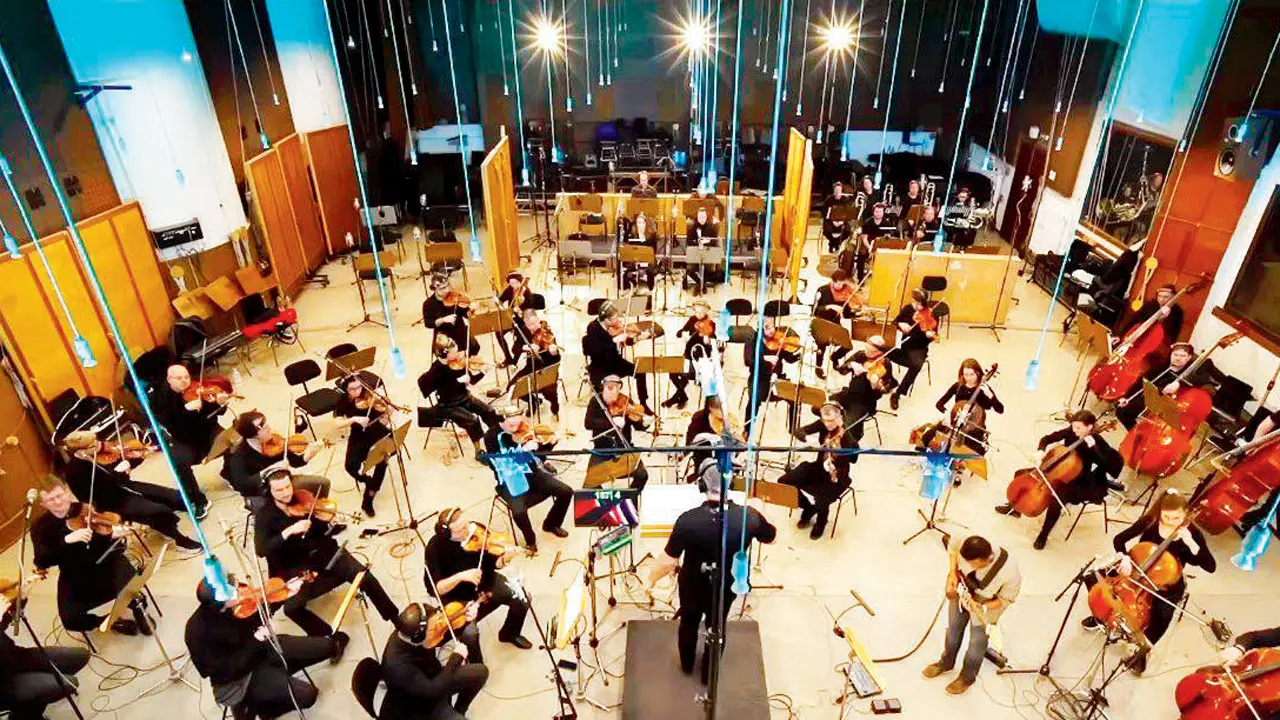
14 March,2026 09:46 AM IST | Mumbai | Devashish KambleThere is something immediately relatable when one hears anyone speak about sundry expenses. Even as we speak about the complexities of music, the conversation with Rhythm Shaw veers off into the challenges of daily life, electricity and maintenance bills. “When I moved from Kolkata to Mumbai in 2016, I was completely unaware,” he chuckles. A decade later, the guitarist has put together his second album, aptly titled, Nothing To Lose. Flying solo Shaw rehearses with the orchestra. Pics Courtesy/RHYTHM SHAW ON Youtube The album is expansive, and odd in times of singles and EPs. “I grew up listening to albums that were long, filled with songs across two sides. The tracks tell a story, about my journey, and musical evolution,” the 29-year-old says. The tracks move with harmony, each building up into the next. Some carry the rawness of his early life. Like Inshry Master, the guitarist says, “It was the first track I wrote in 2010.” With a little help It helps that the community of musicians in the city is so close knit. The talents on the album include Jai Row Kavi, Gino Banks, Mohini Dey, Suman Bhattacharya and Nandini Shankar among others. Space Station is an example where the trio of Banks, Shaw, and Dey jam with freedom. “Gino [Banks] has been one of my first friends since I arrived in Mumbai. We enjoy playing with each other. It is the same with Mohini. It felt natural,” he admits. Cohesion on track Rhythm Shaw The more significant presence is that of the Budapest Symphony Orchestra. Two tracks on the album, Nothing To Lose, and Healing, carry the vast orchestral arrangement. “If you take a normal guitar tone, it has a big impact. But when you layer that chord line over a hundred different sounds, it is not going to cut through. The challenge was to put the guitar at the centre, without diluting the grand effect of the orchestration,” he says. With a seven-city tour coming up this week, Shaw adds, “It is difficult to explain music, unless you listen to it. This was the most challenging journey of my life.” Log on to: Nothing To Lose on Spotify; @rhythm_shaw (for tour dates) Gino Banks Jam with Shaw Top picks from the album»Khandam Blues» Nothing To Lose» Somewhere in Between» Space Station» Shogun
14 March,2026 09:41 AM IST | Mumbai | Shriram IyengarRock climbing is gaining popularity in India as a sport. Why not challenge yourself to a session this weekend? Beginners have a chance to learn the basics, and build confidence in a rock climbing workshop, organised by the bouldering gym, Boulder21, by Mumbai-based adventure sport platform, Girivihar. “Participants will be taken through the fundamentals by an instructor, including body movements, grip, foothold, how to handle a fall, amongst others,” a Girivihar team member shares. Apart from climbing techniques, climbers will be taught safety protocols as well. It is an indoor wall. Shoes and other necessary equipment will be provided. They add that attendees should wear flexible workout clothing (avoiding sleeveless clothes), keep nails short, and avoid wearing accessories. Participants will be updated with all details as well. Rock climbing remains an uncommon sport in India. The idea is to ensure that sessions can become a step towards generating awareness about it, and getting more people to take interest in and benefit from it. On March 15; 9 am to 11 am At Shree Math, Acharya Renukacharya Udyan, Nerul East. Register 8452018412 (message)Entry Rs 1000 (per person)
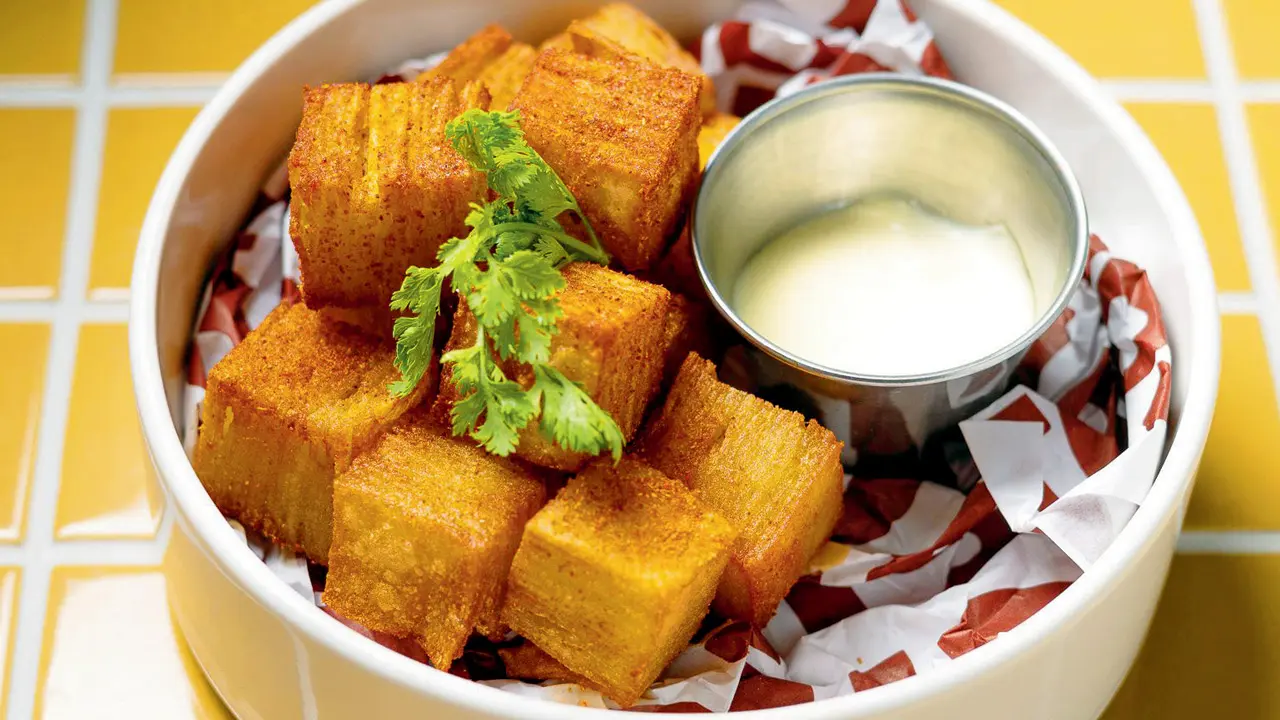
14 March,2026 09:38 AM IST | Mumbai | Trisha GhoshAt Tost, you break bread, literally. A small piece of bread arrives with a sprinkle of salt on top. The idea is to break bread with someone, as that is usually a sign of celebration. Soon enough, you are digging into a sandwich. Mumbai loves a good sandwich. But it’s rare to find a good one beyond South Mumbai and Bandra. That frustration sits at the heart of the new shop in Andheri started by three partners — Chef Dinesh B (who also goes by Chef Denis), Chintan Bhiwandkar, and Alka Khilnani — who met through overlapping worlds. “All three of us are from different backgrounds,” explains Bhiwandkar. “Kitchen, finance and marketing. Everyone handles their own thing.” Sichuan Fried Shroom Sandwich Their common love for bread is what brought them together. But why start a sandwich spot? “The idea was simple,” says Dinesh. “I love sandwiches.” And, it came from travel as much as hunger. Between them, the partners had eaten across North America and Europe. Burgers, grilled cheese, deli sandwiches — the kind of casual food cities like New York and Chicago treat almost as civic pride. At home in Mumbai, the chef found himself underwhelmed. “I used to struggle with sandwiches or burgers,” he admits. Part of that struggle was about meat. “Most burgers here use lean meat. But the flavour comes from the fat,” says Dinesh. So, the team started building a menu around the sandwiches they wished existed in the city. While Mumbai already knew fried chicken or burgers, Tost wanted to bring forth sandwiches uncommon to the city. Pics courtesy/Tost The space reflects that thinking. You’ll notice classic American diner shades: Reds, yellows, and whites. But the place doesn’t feel like a retro theme park. Maybe, it’s the music, the crowd spilling in from the neighbourhood. Or it’s simply that this diner aesthetic is filtered through a contemporary lens. For a sandwich shop, the food feels refreshingly elevated. The pricing, however, keeps things grounded. The menu glides between continents. There’s a Sichuan Fried Chicken Burger, where crisp chicken is dunked in peppery Sichuan oil. “You bite into the chicken, and you realise that the flavour is not only from the batter,” says Bhiwandkar. Breakfast leans global too. Mumbai’s Keema Pav appears as a Bunny Chow; there are Chilaquiles; and an Anti-Avo Tosty, which has coriander hummus, pickled beets and feta on a toasted bagel. There are the personal touches. The Aloo Tuk is the chef’s nod to his Sindhi upbringing. Traditionally, it’s double-fried and smashed. Here, it arrives as stacked potato bites instead. And, there are OG Bombay references too. “We wanted to give something back, so some dishes are an ode to the city,” the chef says. Chintan Bhiwandkar, Alka Khilnani and Chef Dinesh B Drinks feel like a nod to the founders’ childhoods. You will be served Coca Cola in the original glass bottles, Coke floats, iced teas, and spicy lemonades. There is coffee for those who want something less playful. While desserts are simple and light. Think ice cream tucked into buns, and milk and cookies. At Tost, 13, Sterling Apartment, Sundervan Complex Road, Andheri West.TIME Tuesday to Thursday, 3 pm to 10.30 pm; Friday to Sunday, 10 am to 12.30 pm; Mondays closedCALL 9987823200LOG ON TO @tost.bombay The Guide’s top picks Just Another SmashThe name undersells it because it’s rare to find a classic smash. While everyone is busy getting creative with sauces and fillings, Chef Dinesh sticks to this burger’s simplicity. Two smash patties, cheese, chopped onions, and pickles. “This is a no-drama burger,” the chef says.Cost Rs 525 Chicken WingsThese wings avoid the usual sauce overload. Instead, the seasoning runs through the meat. There’s an Asian-inspired BBQ sauce served alongside instead of the wings getting tossed into it. So, you can dip, slather, and lick as much as you please.Cost Rs 345 Eggplant Marinara with ZhugThis focaccia sandwich piles crispy eggplant with mozzarella, zucchini, roasted peppers and sundried tomato pesto; zhug adds heat.Cost Rs 425 Misal BirriaIf Mumbai was a sandwich, it would probably be this. The matki and spiced aloo are sandwiched in toasted bread, while the hot tari arrives separately like when you order a birria taco. Scoop, pour, sprinkle farsan and build your own bite.Cost Rs 225 I Scream PB&JDessert here feels playful rather than fancy. Vanilla ice cream sits inside a mini bun with peanut butter and jam. It’s a childhood snack that wandered into a diner.Cost Rs 225
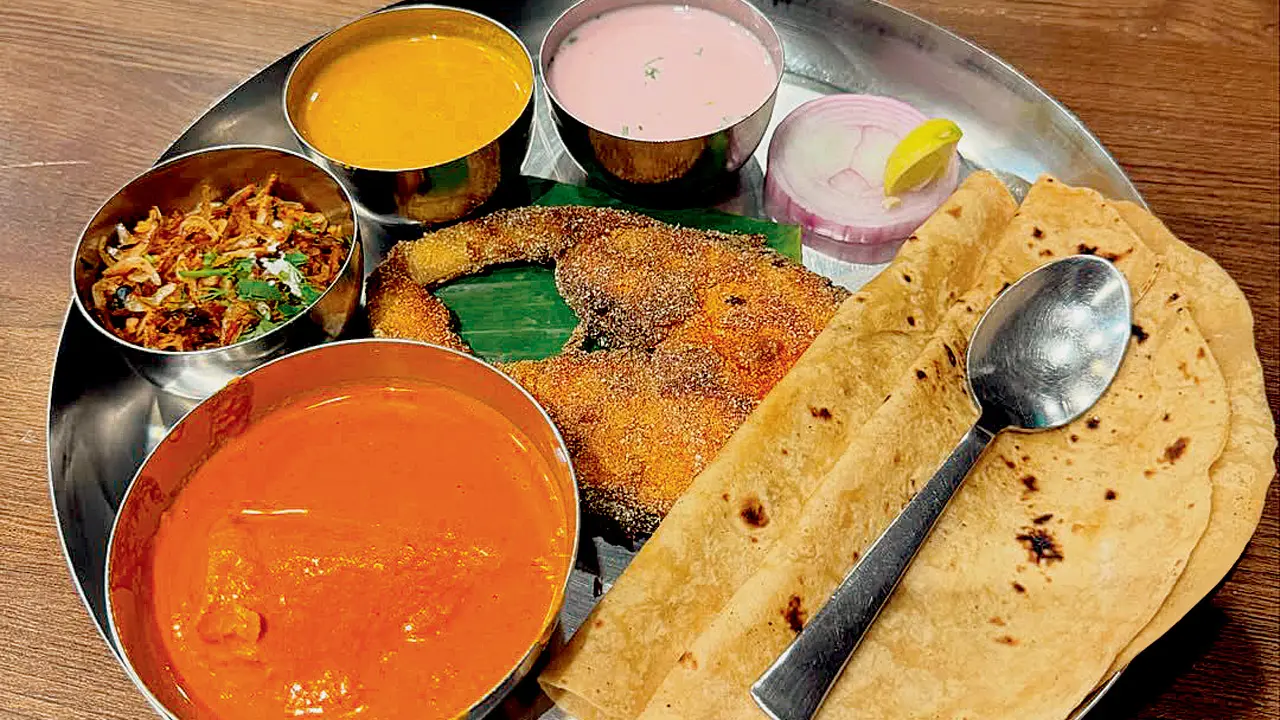
14 March,2026 09:34 AM IST | Mumbai | Junisha DamaDadar may not be the only suburb to boast of some lip-smacking Tisrya Bhujane or Surmai Thali anymore. The neighbourhood’s famed Malvani outpost, Chaitanya, will expand to Thane this month. A view of the Dadar eatery The new outlet in Wagle Estate will also house a tandoor, with its homely and signature fare. “People love to eat; we love to feed,” shares founder Surekha Walke. AT Chaitanya Assal Malvani Bhojangruh, Wagle Estate, Thane. CALL 9769909030
13 March,2026 10:04 AM IST | Mumbai | Shriram IyengarTimeless beauty Sanjana Sanghi on Zeenat Aman Dil Bechara beauty Sanjana Sanghi puts Zeenat Aman in the spotlight this week, and for all the right reasons. “She is truly an enduring icon, and not just for her striking beauty. Zeenat Aman ji redefined what beauty and confidence mean for a modern woman, and she did it back in the 1970s, when the industry was largely defined by traditional portrayals of women. As a media student in college, we’ve literally written papers on how she changed the female gaze in Indian cinema. Sanjana Sanghi That unapologetic individuality and a bold cosmopolitan energy that audiences had rarely seen before — her breakthrough performance in Hare Rama Hare Krishna became an instant cultural phenomenon! What really makes her timeless is that her beauty, personality, and confidence are inseparable, and I think that is such an inspiration for the modern Indian woman.” Laughter is the best medicine Russell Peters is heading back to Mumbai on March 22 after an interminable intermission — and honestly, we’re all due for the dose. His Relax World Tour kicks off its seven-city India run in Delhi this Sunday. Russell Peters Chatting with me during his last visit, the comedy giant (no fat shaming intended!) was firm on not “toning it down.” He’s been at this since 1989 and refuses to “turn into a civilian” by self-filtering and sacrificing his superpower. To Russell, losing that edge is like Superman giving up his cape to be human: “You realise pretty quickly that it sucks,” he says. For Mumbai audiences, this isn’t just another comedy show. It’s a chance to witness a master at work — wielding wit as effortlessly as ever and reminding us why humour, unfiltered and unapologetic, remains a superpower we all need. Tiny table, big legacy Thursday brought terrific tidings for two Mumbai eateries, with the announcement of Asia’s 50 Best Restaurants (51-100) for 2026. Papa’s in Bandra replaces chef Prateek Sadhu’s Naar at No. 66, while Gauri Devidayal and Jay Yousuf ’s The Table comes in at No. 73. Sameer Seth, Hussain Shahzad and Yash Bhanage Now while The Table remains one of our fast favourites, it is Papa’s poignant story that truly deserves attention. Named after the late chef Floyd Cardoz — affectionately addressed as Papa ji — this tiny 12-seater is a hidden gem, helmed by chef Hussain Shahzad. Founders Sameer Seth and Yash Bhanage continue Cardoz’s legacy here, with Sameer noting he often feels Floyd’s guiding hand at work. “He’ll be sitting with a single malt somewhere, cheering us on for this,” says Sameer, understandably elated at the new honour. “Moments like this underscore that our work stands for something. The validation and recognition are incredible for the whole team, and we are truly grateful.” Having earned a top accolade from Time magazine in 2025, Papa’s continues to rack up recognition, cementing its place as one of Mumbai’s culinary treasures. Fully booked through April already, this tiny treasure proves that Cardoz’s legacy — and Mumbai’s appetite for it — are very much alive. Papa’s can preach Since opening its doors in February 2024, this small suburban space has been a magnet for big names. Pop star Dua Lipa and actor Callum Turner are among those who have dined here, in addition to Alia Bhatt and Ranbir Kapoor, Anushka Sharma and Virat Kohli, and Indo-Canadian singer-rapper AP Dhillon. Seventy splendid overs One could scarcely have scripted a more felicitous coincidence — celebrating seventy splendid overs of Shashi Tharoor while the ICC Men’s T20 World Cup final provided the background commentary. And so it was on Sunday night that legal eagle Rohit Kochhar and wife, Sonali, hosted a party to bring in the birthday of our favourite former export to the United Nations, at their sprawling Chhatarpur mansion. Shashi Tharoor The capital’s most conspicuous citizens stepped out for cocktails and dinner with Tharoor: ambassadors from at least three EU countries including Lithuanian diplomat Diana Mickevičienė; MP Priyanka Chaturvedi and a handful of fellow politicians; Kathak queen Shovana Narayan; economist Prem Shankar Jha; OG influencer Bina Ramani; and journo Barkha Dutt. Not surprisingly, fellow lovers of language attended too — William Dalrymple and Chetan Bhagat amongst them. Champagne was poured, the cake — a perfect Moët magnum replica — was cut, and a giant screen carried the cricket live. And while India’s World Cup triumph was a handsome birthday bonus, the night’s real headline was Tharoor’s mother being there to see him into his seventies. A blessing indeed.
13 March,2026 10:00 AM IST | Mumbai | Sonali Velinker KamatAcross centuries and faiths, the words of Sufi saints and the mystical poets have travelled through music, poetry, and oral storytelling — and now they form the centrepiece of an evening that blends ghazals, bhakti poetry and Sufi kalam, all into one single performance. Performed by singer, Runaa Rizvii Shivamani, this programme titled The Kabiran Project, will explore the spiritual and humanist ideas that connect diverse devotional traditions. For Rizvii, the project is deeply personal. Raised in a household steeped in music, she traces her artistic roots to a lineage of ghazal singers. “I hail from a family of ghazal singers. My father was Ustad Rajkumar, and my mother, Srimati Indrani. My father was often referred to as “the Mehdi Hassan of India.” Runaa Rizvii Shivamani (centre, in orange) along with the band, Fankaar. Pics courtesy/Runaa Rizvii Shivamani “Because I’ve been raised in a very secular atmosphere in my house, I felt the need to come up with something where I can express all the aspects without a bias and where we rise as human beings rather than being categorised into a sect or religion,” Rizvii reiterates. The evening will draw on a wide range of voices from India’s spiritual and literary traditions. Alongside Kabir’s verses, the programme will reflect on the writings of saints and poets such as Ravidas, Surdas, Mirabai, Baba Bulleh Shah, and Amir Khusrau. On stage, the performance unfolds as a blend of storytelling, shayari, and music that explores Kabir’s philosophy of self-realisation, compassion and love. Rather than attempting to recount the saint’s life chronologically, the focus will remain on the enduring relevance of his writings. “It’s not possible to describe a person’s entire life in two minutes,” Rizvii reflects. “But what they have written — that, and the essence of their life is what we can apply in our lives, to become better human beings.” Kabir Das. Pic courtesy/Wikimedia Commons Alongside the devotional and Sufi repertoire, the evening will also feature well-known ghazals, including all-time crowd favourites such as Aaj Jaane Ki Zid Na Karo and Ranjish Hi Sahi. Rizvii also plans to present a cherished ghazal written by poet Bashir Badr — Ek Kasak Dil Ki Dil Mein Chubhi Reh Gai, Zindagi Mein Tumhari Kami Reh Gai — as well as classics by Mirza Ghalib, including Dil-e-Nadaan Tujhe Hua Kya Hai. The result will be an evening where poetry, devotion, and music intersect, while returning repeatedly to Kabir’s enduring message of humanity beyond divisions. ON March 28; 7 pm onwards AT Kkala, Aram Nagar, opposite Dariya Mahal, JP Road, Versova, Andheri West.LOG ON TO @kkalaofficial ENTRY Rs 599
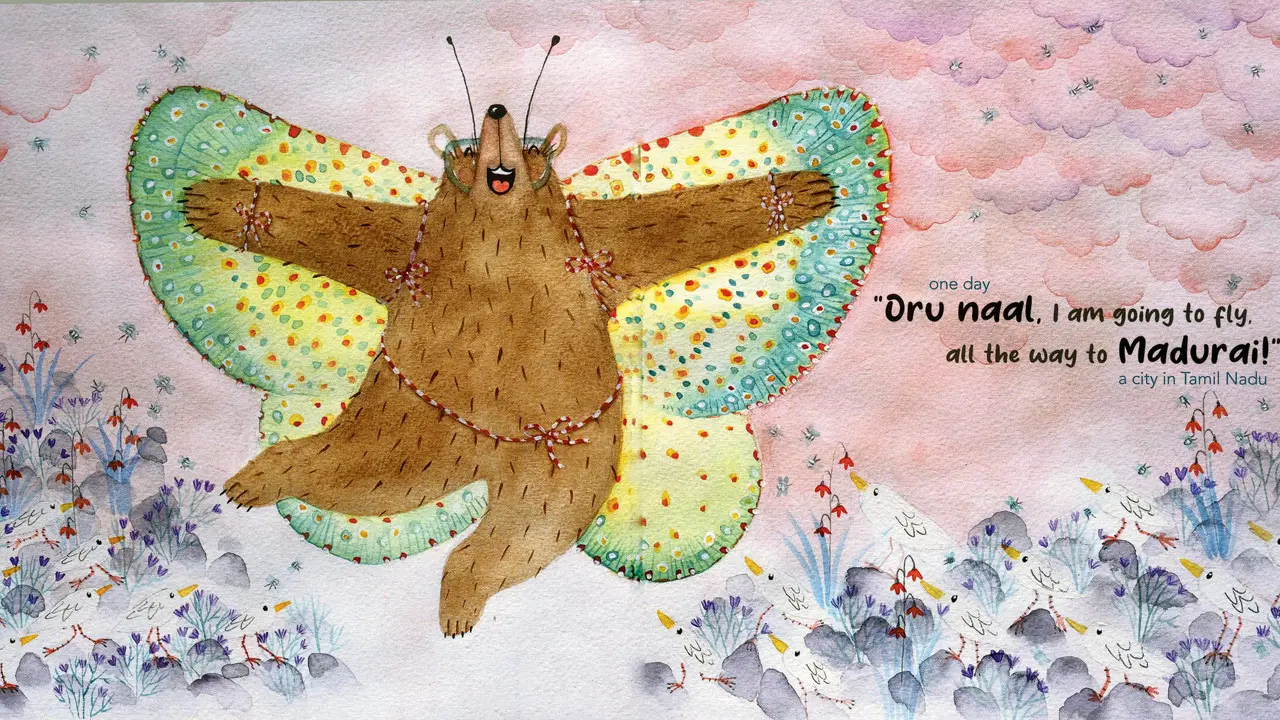
13 March,2026 09:57 AM IST | Mumbai | Rumani GabhareThere is a quiet smile often hidden away when this writer watches old grandmothers try to make conversation with their Gen Alpha relatives at home. It often feels like two civilisations trying to make conversation, bridging phrases with familiar words of ‘Tanglish’ (Tamil and English), and desperate hand signs. It is the memory of hearing these phrases that makes Kalyani Ganapathy’s Ingey Angey: Here and There (AdiDev Publishers) fun reading. This writer might be older than the target demographic, but the book nevertheless lands with its whimsy. Ganapathy turns to quirky rhymes, a la Dr Seuss, to get across simple words and easy phrases. And so, we have elaneer (coconut water), mayil (peacock), and even the tongue-twisting vazhaipazham (banana) find their way into illustrated rhymes in a quick-to-read 20-page book. The pairing of the words with their English transliterations is a smart device since Tamil is a lyrical language, and lends itself to the rhymes. “This is a book for anyone curious about learning a few words of a new language. Every page is unexpected and joyous. And they are filled with fun and adventure,” shares Ganapathy. The illustrator delivers on it, too. The visuals are bright, whimsical, and immediately arresting. Add this to silly rhymes, and you have something to keep your five-year-old hooked to, without having to check for battery. Kalyani Ganapathy AVAILABLE All leading bookstores and e-storesCOST Rs 499
13 March,2026 09:45 AM IST | Mumbai | Shriram IyengarAmsterdam by Gregory Alan Isakov South Africa-born Isakov’s folk-country track feels like a warm conversation with an old friend on a cold night in the titular European city. A far cry from the sizzling Maximum City, but one can daydream. Sapphire by Ed Sheeran Ed Sheeran This vibrant, perfect-for-the-summer track is Western pop-infused with desi elements, including some lilting notes from instruments like the sitar, among others. Walking in Memphis by Marc Cohn/Cher Cher While we find ourselves veering towards Cher’s 1995 rendition, it’s Cohn’s deeply personal lyrics of his life that will tug at the heart strings. Music legends Elvis and Al Green make a presence too. A blues masterpiece. War Pigs by Black Sabbath Black Sabbath. Pics Courtesy/Wikimedia Commons, Artistes’ Instagram, Youtube We don’t really need to say more, but this 1970s anthem was the definitive anti-war call. This might be Gen Alpha, but Sabbath fans have been there, and done that. Mostly Chimes Adrianne Lenker Adrianne Lenker. Pic courtesy/Spotify True to its title, this one’s an instrumental tune for your slow days. It reminds us of a windy, rainy afternoon where the sky is gloomy, with a slight nip in the air.
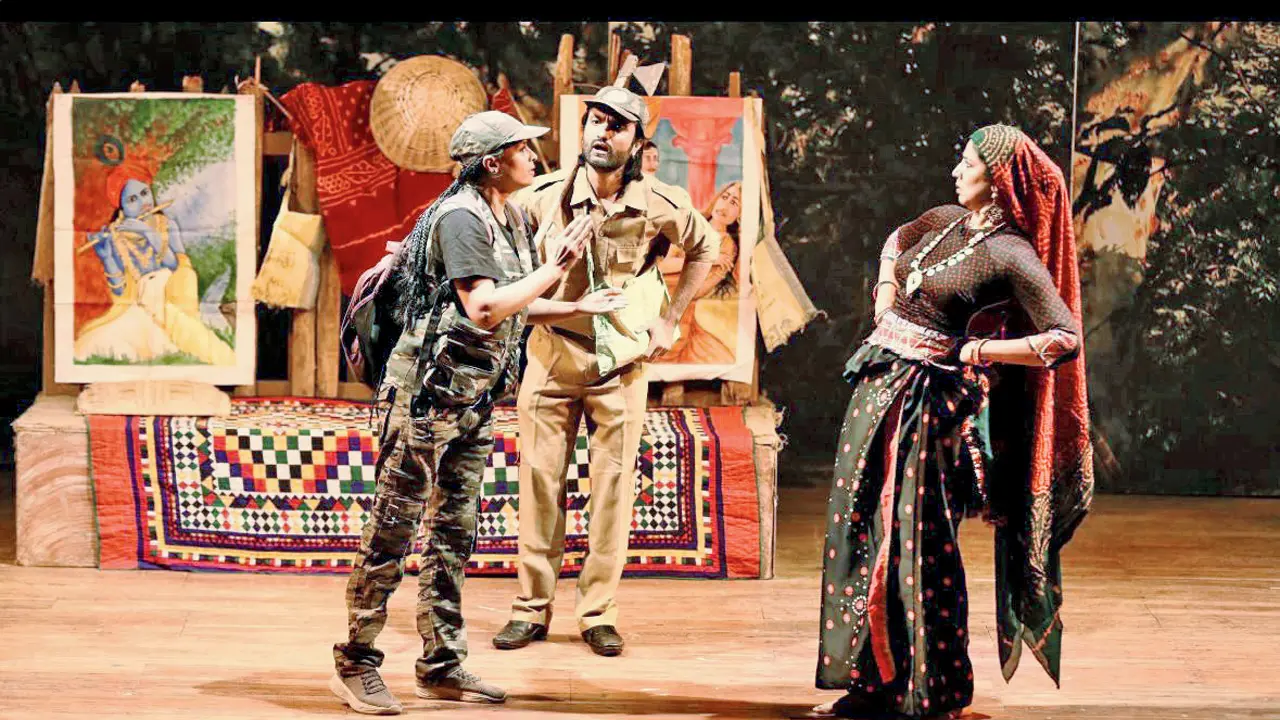
13 March,2026 09:35 AM IST | Mumbai | A CorrespondentFor decades, Gujarati theatre has flourished in Mumbai — comic, philosophical and closely tied to the rhythms of everyday life. While its roots remain strongest in Ahmedabad, Vadodara and Surat, the city serves as an important stage for its evolution. That legacy comes into focus this week as the Vasant – Gujarati Theatre Festival returns to the National Centre for the Performing Arts (NCPA) with a four-day programme of plays, poetry, comedy and workshops that highlight the many forms Gujarati storytelling can take. Aditi Desai and Bruce Guthrie “We are delighted to welcome Gujarati-speaking audiences back for Vasant,” says Bruce Guthrie, head of theatre and films at the NCPA. “Gujarati theatre plays a central role in Mumbai’s cultural life, and this year’s programme reflects both its depth and its range.” Director Aditi Desai adds that festivals like this help bring regional theatre to wider audiences. “Our play Akoopar, based on the novel, Akoopar by Dhruv Bhatt, explores the Maldhari community and their relationship with the lions of Gir Forest National Park. At a time when coexistence with nature is increasingly urgent, their way of life feels especially relevant. This is our 97th performance, and the play is ultimately about the search for truth — Satya.” Till March 15At NCPA, Nariman Point. Log on to ncpamumbai.comCost Rs 360 onwards (members); Rs 400 onwards (non-members) The guide’s top Picks Shakespeare Mharo Jamai A performance of Shakespere Mharo Jamai A Rajasthani folk play where Banjara storytellers begin to notice uncanny parallels between Shakespearean drama and their own oral traditions, this one has satire, humour and live folk music.ON March 12; 7 pmAT Experimental Theatre Akoopar by Aditi Desai Set in the landscape of the Gir Forest National Park, this adaptation explores the life and philosophy of the Maldhari community and their delicate coexistence with wildlife.ON March 14; 7 pmAT Experimental Theatre Lagna – The Musical The festival closes with a lively musical that reimagines traditional Gujarati wedding songs while playfully examining family expectations, rituals and humour. ON March 15; 8 pmAT Tata Theatre Choggo An experimental poetry-led performance by Saumya Joshi with poets Anil Chavda and Bhavesh Bhatt, that blends spoken word, rhythm and theatrical expression to explore contemporary Gujarati verse.ON March 15; 5.30 pmAT Tata Theatre That’s So Viraj Stand-up comedy joins the line-up as Viraj Ghelani mines everyday Gujarati family life for humour, exaggeration and moments of instant recognition.ON March 13; 7.30 pm AT Tata Theatre Socrates Revisiting the trial of the Greek philosopher Socrates, Manoj Shah’s play draws parallels with Indian traditions of debate and reflects on the value of free thought.ON March 15; 3.30 pmAT Experimental Theatre
12 March,2026 09:33 AM IST | Mumbai | Rumani GabhareThursdayDance to freedom Improvisational games brought alive through dance, Errors Onleee might be the inspiration you need to get up and move this weekend.Time 8.15 pm onwardsAt Veda Black Box, Versova. Log on to jainilmehta.orgEntry Rs 500 FridayMagic of sounds Pic courtesy/@jyotimayi.music Sit back, unwind, and listen to artiste Jyoti Mayi (right) blend Sanskrit mantras, experimental electronics in her immersive album, Acoustic Levitation.Time 7.30 pmAt Harkat Studios, Versova. Log on to altshows.comEntry Rs 350 SaturdayPoetry for everyone Pic courtesy/Brain Bristle Foundation Words can be magical, and transport you from the city’s chaos to a fantastical world. Ask Devangana Mishra (above), as she guides you into a lyrical session.Time 7 pmAt Fictionary Bookstore and Cafe, Bandra West. Log on to urbanaut.appEntry Rs 499 onwards Sketch your feelings Pic courtesy/@the.inkpot Heal with art, as illustrator Sneha Dasgupta teaches you to draw your emotions onto your canvas in this guided creative session. Time 11 am to 1 pmAt Bombay Sweet Shop, Oshiwara. Log on to @bombaysweetshopEntry Rs 800 (per person) SundayFestive feast Pic courtesy/kadak You cannot go wrong with this Iftar Dawat, that delivers on fare from Seasonal Fruit Chaat to spiced kebabs. Time 7 pm onwardsAt Kadak, ICONIQA Hotel, Andheri East.Call 8655691535 Cost A la carte (individual dish pricing); Rs 499 onwards (dessert buffet)
12 March,2026 09:31 AM IST | Mumbai | Trisha GhoshADVERTISEMENT