


Amidst emerging research around youth forming multiple connections over a single relationship, we speak to counsellors for insights and advice on this growing trend in modern dating

While the desire to connect with a variety of individuals provides excitement, communication and managing multiple relationships is difficult. Representation pics/istock
Fresh research from Canadian online dating platform, Ashley Madison has revealed something that might raise eyebrows. A 2026 dating trend report shows that micro romances or tendencies to make multiple connections, are on the rise. In a cited survey that included Indian respondents, 49 per cent of respondents sought relationships apart from their primary one. Two counsellors break down this trend among new-age relationships with a 360-degree discussion.
Main motivations
City-based psychiatrist, Dr Manasi Bhat notes a spike in multiple connections and more openness towards conversations about it. “Often, humans don’t necessarily want multiple partners; they want autonomy, intimacy, freedom, and belonging.” Aditi Vaze, a couples counsellor in Mumbai, echoes this: “The biggest misconception is that it happens for sex. While it can’t be entirely ruled out as an incentive, I see a greater desire in people to find themselves again, especially as they grow older. Often, it begins with a simple connection over helping the other in a crucial way, and eventually becomes a form of escapism from an unfulfilling relationship.” She mentions that nearly 80 per cent of her clients seeking couples’ counselling have experienced some type of underlying infidelity.

Gradual life transitions can cause stark changes in priorities, and the desire to find someone who matches what you stand for
We ask if this is an empowering choice, or a reaction to external stressors. “If it’s a result of understanding their individual needs, it may feel empowering. Monogamous relationships are more demanding. Comparatively, these connections give quick rewards in the form of dopamine without much responsibility. Monotony in relationships fuels the desire of thrill without actually having anything to lose,” explains Dr Bhat. Meanwhile, Vaze pinpoints that burnout, inflation, and poor mental health faced by urban youth are easy motives to seek out instant connection.
Technology and finance

Manasi Bhat
“People seek others because it’s easy. Dating apps mean new individuals are merely a click away,” says Vaze. She adds that the Covid-19 pandemic also changed the dynamics of relationships: “Virtual connections arose everywhere in all forms, and so did the value youngsters derive from them.” Dr Bhat points out, “Financial independence minimises the fear of consequences. Delayed marriages (especially for women) give more time for longer exploration phases, with no urgency to ‘lock in’.” Hence, even if not committed to one person, an individual may find themselves juggling between different people.
Changing ethics
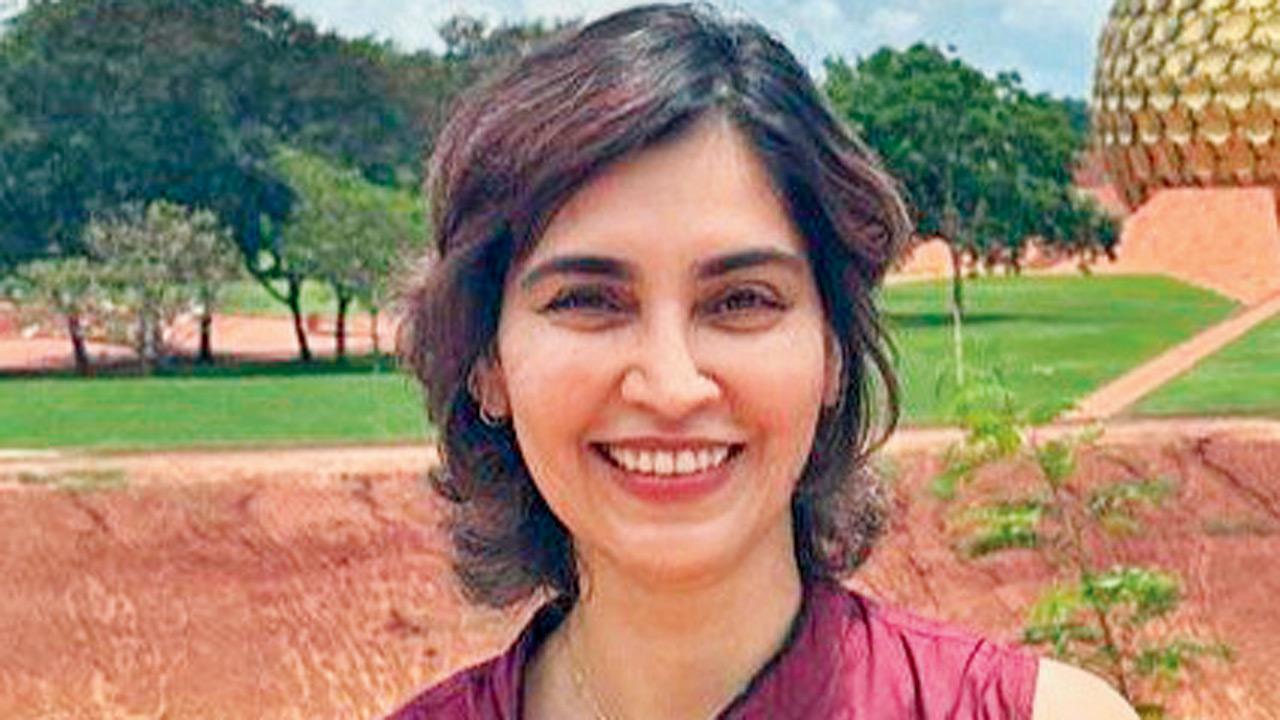
Aditi Vaze
Both professionals observe that earlier ideas of committed relationships emphasised safety, money, and social acceptance. “Now, people can survive alone, so, relationships are prioritised for growth and emotional compatibility. Loyalty has changed not in idea, but scope,” Dr Bhat tells us. Additionally, Vaze emphasises that ‘loyalty’ today often constitutes transparency about feelings, and honesty about desires and needs: “It’s ‘Don’t lie to me’ over ‘Don’t choose anyone else’.”
Navigating it
We’re curious how these factors play into the future of the new-age urban couple. “It depends on the age group,” Vaze reflects. Having worked more with couples in their 30s, she shares, “Unlike youngsters, who may want excitement, growing into a stage of life with greater responsibility, in my experience, automatically induces a want of stability.” Dr Bhat concurs, saying, “I don’t necessarily see multiple connections becoming a norm.”
For those seeking multiple connections, irrespective of if they are committed already or not, both experts caution that managing these becomes draining. Without advanced relational skills and thorough self-awareness, it causes confusions, ‘situationships’, and ghosting. “Even if partners are okay with each other forming other connections in theory, in practice, they fear being replaced,” Dr Bhat reminds us. Vaze strongly advises, “Pursue only what you can handle; consider your attachment style, your priorities, and most importantly, your values. Go ahead if someone truly aligns with your values and requirements.”
Log on to: www.ashleymadison.com
 Subscribe today by clicking the link and stay updated with the latest news!" Click here!