










One book. Eighteen stories. Multiple emotions. The Only City (HarperCollins) set for release next week is a tribute to the cosmopolitanism and layered core of Bombay and Mumbai. Six contributing authors reveal the metropolis’ unique characteristics that made its way into their stories
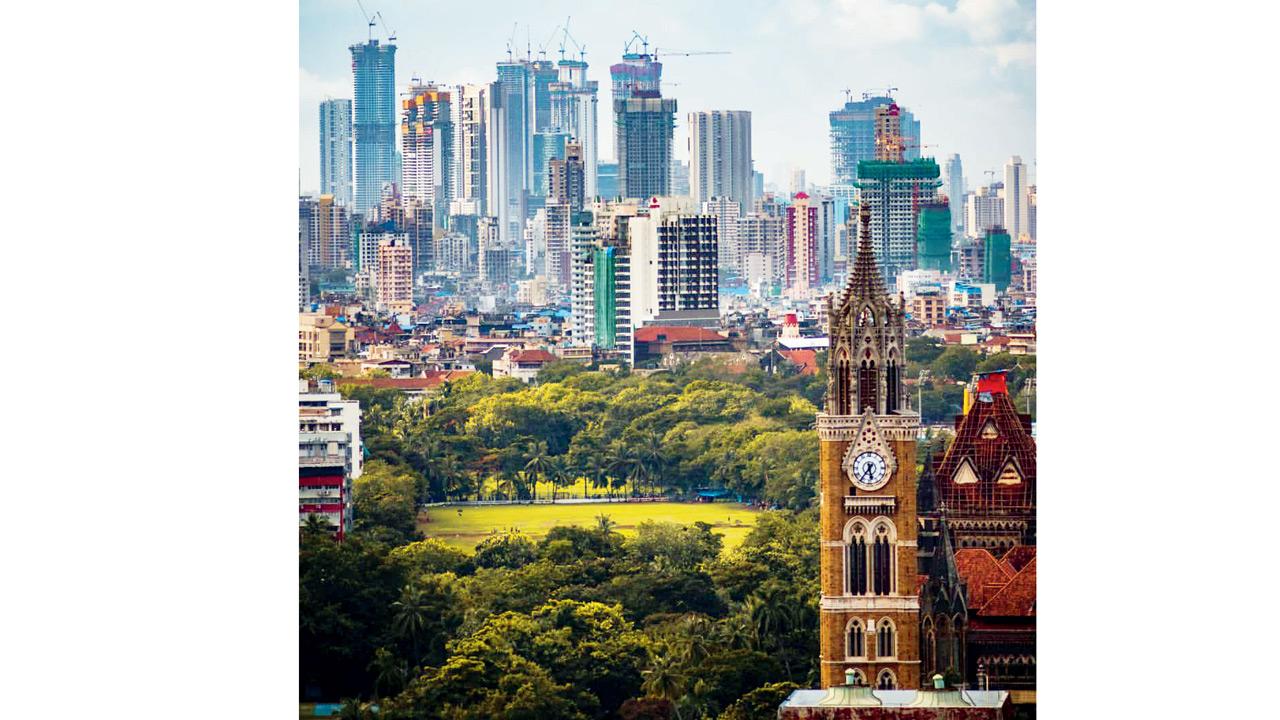
Representational Image
From the editor’s desk
Bombay is like that proverbial river — you can never step into the same Bombay twice. Time here is composed of many “moments of changes” and for me, this is what makes it so ripe for fiction, photography, cinema.

Part of being an artist is to imagine alternate realities, to capture subjective truths. This city offers dual tones everywhere, it offers polyphonic sound. It is known for nothing in particular, and it can be everything all at once.
Another aspect that draws writers is that by virtue of its commercial, cultural and economic location, there is a certain kind of covetous character that thrives in this city. These are not characters who like idyll; they are grasping, ambitious and inventive. Just a day in the life of a character like that presents the crests and troughs of a story.
- Anindita Ghose
Shanta Gokhale: The Storyteller’s Tale
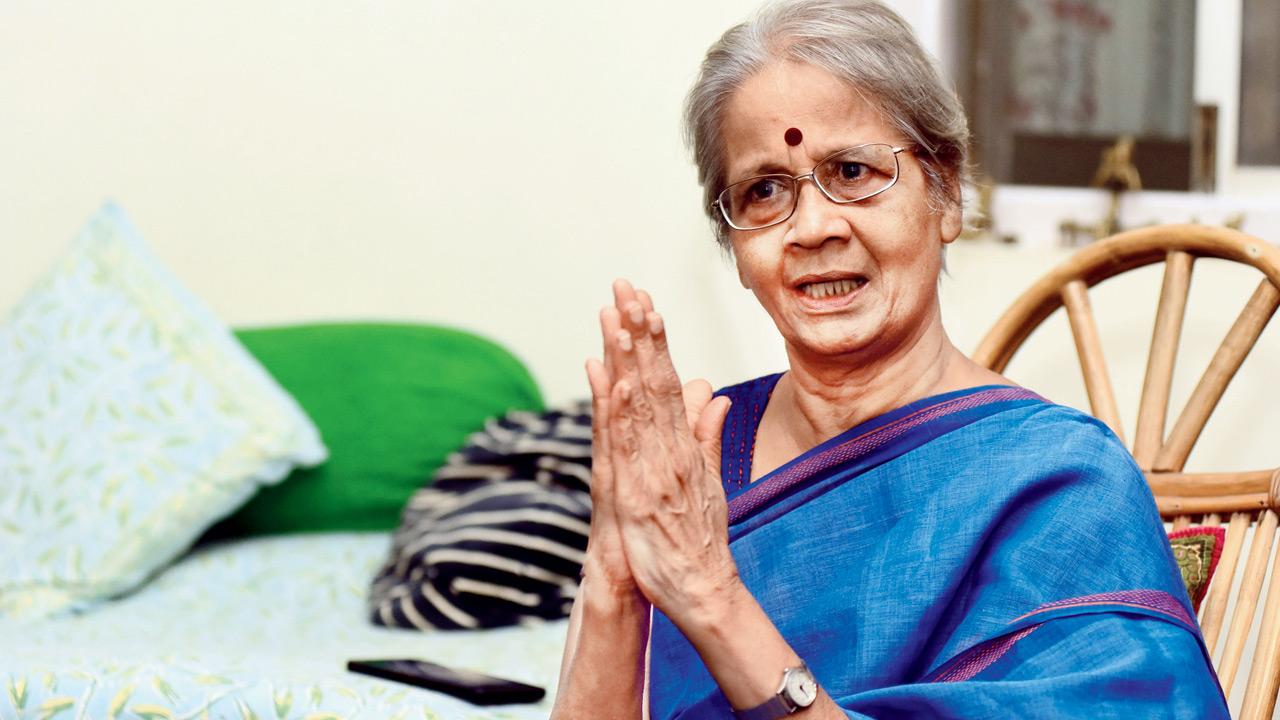
It is a truism to say that a writer consciously wants to portray something specific when she writes a story. When you inhabit a city with all your senses alive, you get to know a wide range of people without actually meeting them. The flow of the city is in your pulse. Its places are your past and your present. My story sprang out of knowing, in this deeply connected way, one part of the city, Shivaji Park, where I have lived all my life. Not the new Shivaji Park of towers with closed faces but the old one of two- and three-storeyed Art Deco residences with open balconies inhabited by the middle-class and bustling chawls with common corridors inhabited by the lower middle-class. The lower middle-class in particular interests me because I see its aspirational struggles and its conservative ways from which, astonishingly, rise people who break norms and dare to live their own lives. The lower middle-class Marathi woman is a force. I observe her, and love her. To write a story about her was a natural instinct.
Raghu Karnad, Speedboat
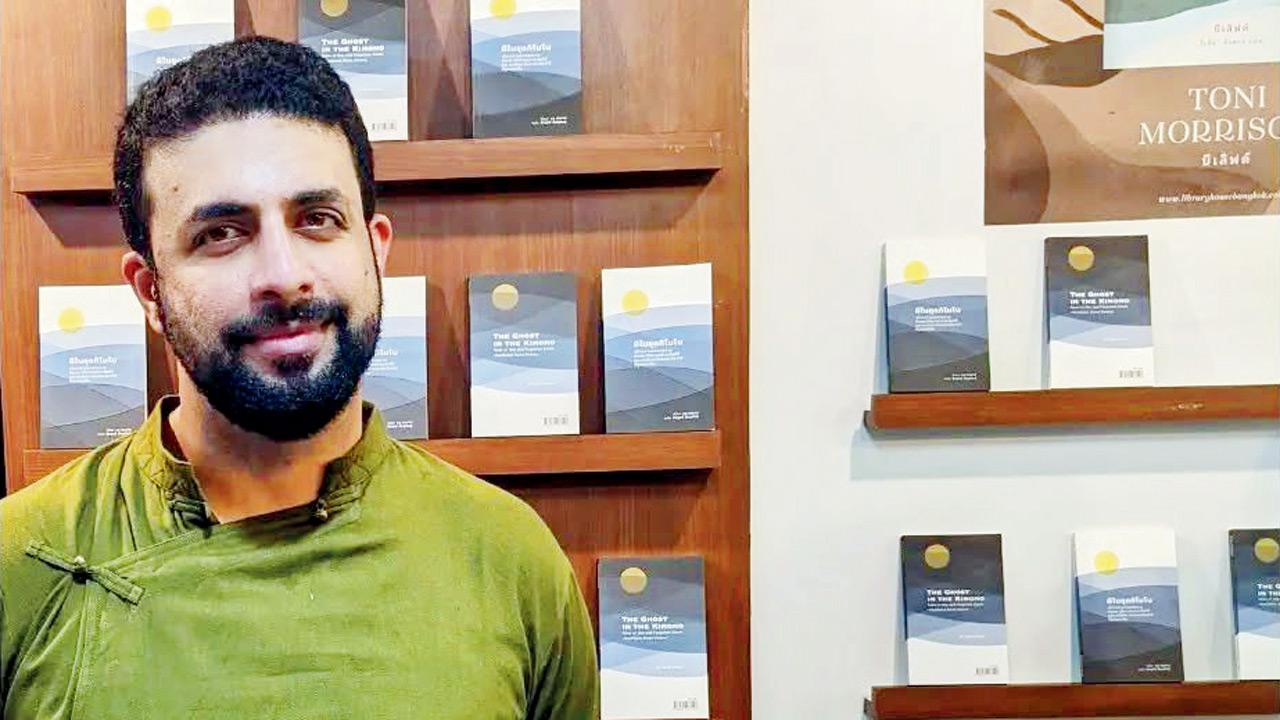
I don't want to pre-empt the story by saying too much, but it uses one obvious thing about Mumbai as a starting point: the density of human bodies here, and the amount of touch you experience from strangers as a result. To escape the crowds, the suffocating proximity, is a matter of privilege — but at the top of that economic ladder, it’s possible to have the opposite problem. Which is isolation. The end of the story brings a different big-city question into focus, or I hope it does. That one is important to me, almost a question of faith, and Bombay raises it in my mind all the time. I’m looking forward to knowing how other people, if they read the story, answer this question.
Tejaswini Apte-Rahm, Nurse Shanti

For my titular character, Nurse Shanti, Bombay is a stepping stone to bigger and better things. The story is about hope, about wanting more, and dreaming big. It is also about despair. The central quality of Bombay that I wanted to portray was that the city can be a comforting place, a place where you can nurture your dreams and find connections; but that it is also a place where ruthlessness crops up in the most unexpected of places, perhaps when you least expect it. It is a city where one has to be on the alert, and in that sense it can never fully be a place of rest. Rest may come in snatches of time but is, ultimately, an illusion. In a city teeming with life and friendship, Shanti finds that it is also a place which can make you feel completely alone.
Ranjit Hoskote, The Painter’s Last Stop

My story evokes our city’s artistic and intellectual milieu between the early 1900s and the 1940s, a time of great cultural and political ferment. Bombay/Mumbai was not simply a metropolis based on the metrics of population density, civic infrastructure and systems of governance during that period. It was a multilingual, multi-ethnic, multi-religious cosmopolis, distinguished by lively debates, publications, lectures and informal interactions as well as feuds among its artists, writers, thinkers and patrons. The history of Bombay/Mumbai as a 20th century cosmopolis, where the life of the mind embraced contemporary international questions as well as the problems of how to approach inherited tradition, forms the cradle for my story. In my narrative, this history shapes the friendship, rivalry and eventual antagonism between the key figures in the story; both are painters as well as teachers at the city’s most prestigious school for the fine arts. So, perhaps that’s the real underlying Bombay/Mumbai theme of my story: competitiveness. The manner in which strife over cultural prestige, material success, and the acclaim of one’s peers can poison friendship and collegiality.
Kersi Khambatta, Hon. Secy.
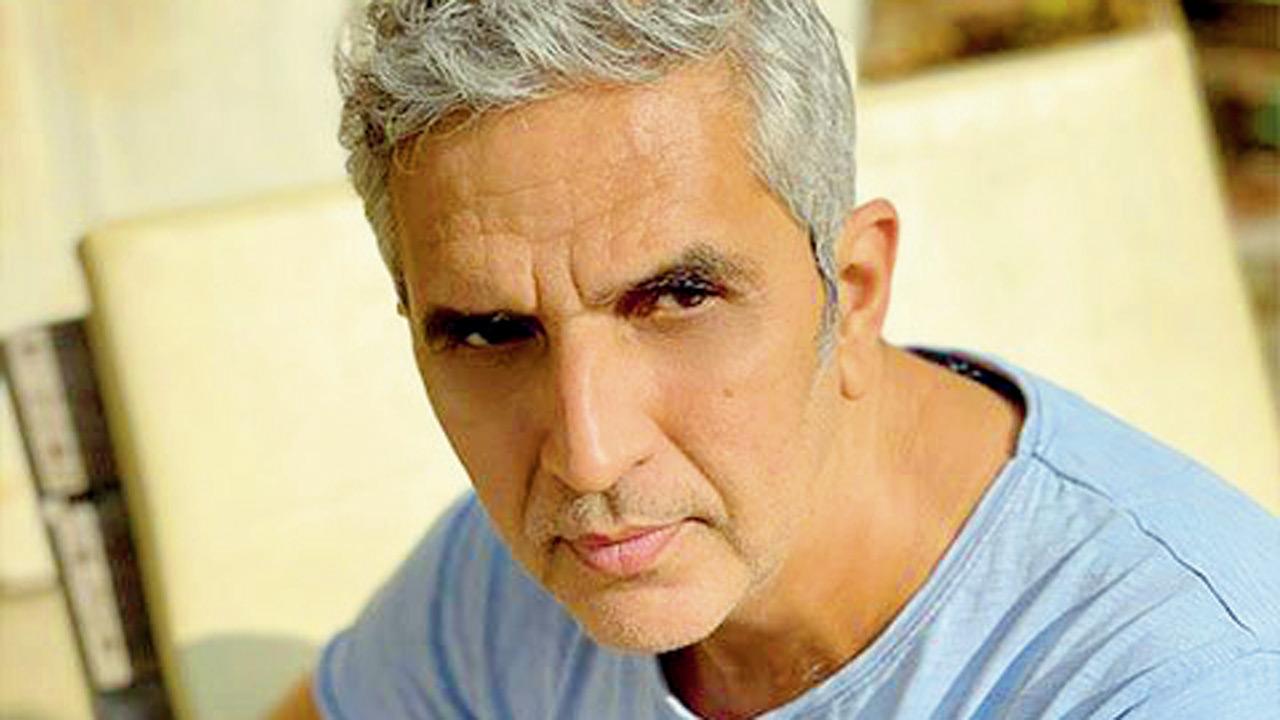
Mumbai’s real estate market has the world’s most diabolical disparity between what it costs, and what it offers, like everyone should kiss its backside just for an opportunity to dwell in it. Gentrification is a weapon. And yet they pour in. It is an ecosystem brimming with wonder and opportunity — and the worst bigotry humans could perpetrate on others. The vegetarians loathe meat-eaters (oddly, the reverse is not true); single men and women are all amoral sluts; Catholics weed out the ungodly with Baptism certificates; Parsees believe everyone around them are inferior, and nobody apart from Muslims want Muslims. There is a certain black comedy to this ‘otherness’, Gothic and antediluvian, as charming as the plague and resolutely immovable as the phantom smell of dogs#*t on your shoe, long after you’ve washed it. The noble folk who practise this otherness are sometimes called Honorary Secretaries (of housing societies). They do it for free. In an anthology of Bombay/Mumbai stories, what better snapshot of the city, in my opinion, than the hard-to-get housing for the millions streaming in and the endearing mini-Pol Pots who preside over them?
Lindsay Pereira, Strays

What I wanted to portray was the strong streak of cruelty that I believe runs through this city. It’s what allows so many of its residents to look the other way, and do this regularly without stopping to notice what they are turning into. What people outside often refer to as the spirit of Bombay in the face of adversity is to my mind only an aspect of this complete disregard for life, and the need for human dignity that increasingly colours my view of the city as I grow older. I settled upon a protagonist from the margins because that is the space I have always been drawn to. The way we treat the weakest amongst us has always been a reflection of who we truly are, and I wanted my story to act as a mirror as well as an indictment of us all.
 Subscribe today by clicking the link and stay updated with the latest news!" Click here!