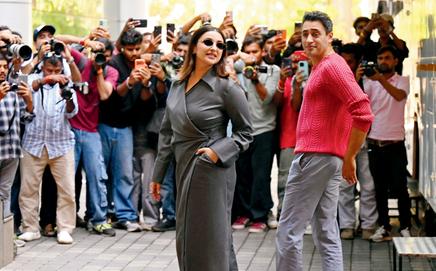
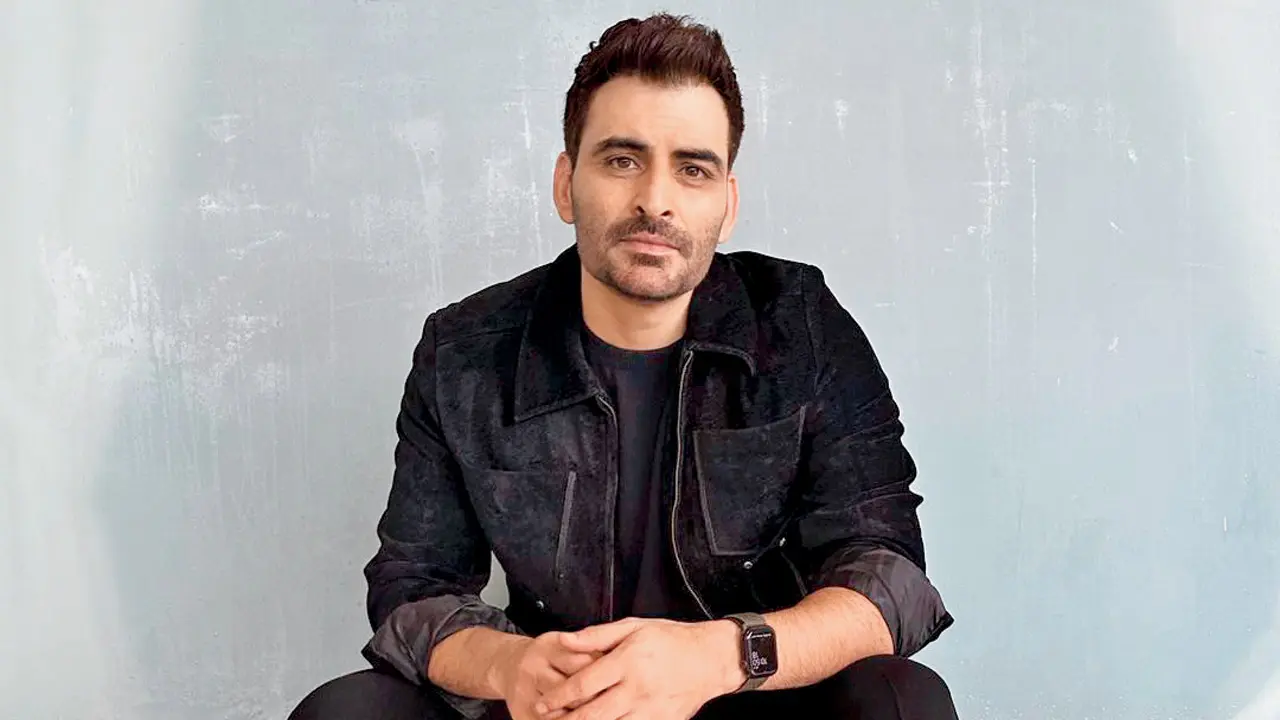
Concrete catwalk Parineeti Chopra turns an unassuming Andheri sidewalk into a high-fashion runway, while an appearance by Imran Khan adds a splash of pink to the paparazzi frenzy on Monday. And the award goes to... The India story at the Oscars on March 15 was headlined, expectedly, by Priyanka Chopra Jonas, who played presenter alongside a dishy Javier Bardem. But it was the bevy of beauties kitted out by Nita Ambani’s Swadesh — between the awards and the after-party — that stole the style stakes. Zanna Roberts Rassi American singer-songwriter Brandi Carlile wore a brooch by the brand, Minnie Driver wore their diamonds, and in a collaborative coup, Isha Ambani wore a bespoke Banarasi brocade fashioned into a frock by Turkish designer Dilara Findikoglu. An unexpected fashionista was the focus of our attention though: British born, New York-based journalist-entrepreneur Zanna Roberts Rassi, who wore a brilliant, beaded couture creation by Abu Jani Sandeep Khosla, also under the Swadesh umbrella. So stunning was the ensemble, we had to give it a second glance — and in doing so, déjà vu was delivered. We’ve seen that ikat-inspired beaded bodice paraded to perfection by Natasha Poonawalla some years ago — matching skirt et al. Sandeep Khosla and Abu Jani Of course, it isn’t the echo of the past, but the brilliance of now that matters, and this collaboration for the Oscars captures that. “We have always believed that Indian textiles and craftsmanship deserve a global stage. This collaboration celebrates the extraordinary depth of India’s textile traditions while allowing us, as designers, to reinterpret these fabrics through a contemporary lens,” Sandeep Khosla tells yours truly, adding that there’s a “subtlety” to Zanna and the way she wore the outfit that was very endearing to Abu. Clearly, while fashion may recall what’s come before, ensembles like these are their own moment — refined, radiant, and internationally resonant. Mourning Marce An outpouring of grief marked the passing of celebrity hairstylist Marcelo Pedrozo on Monday, with everyone from Janhvi Kapoor to Varun Dhawan sharing heartfelt messages in his memory. The Buenos Aires-born artist and ace hair tech had almost 20 years of experience in the industry — close to half of those spent working with some of India’s biggest and brightest stars. Marcelo Pedrozo From others in the HMU world, we hear Marce was warm, kind, and perennially fun. From his list of loyal clients, praise comes in waves. “Today I lost a very very dear friend, a brother, a confidant,” wrote a devastated Nora Fatehi, while Disha Patani shared an equally moving note: “Thank you for all your kindness and softness… Wish we had more time.” Amid an ocean of condolence messages, there’s precious little being said to explain why this bright light was lost so soon. Even those who visited him in hospital on Sunday remain tight-lipped about the circumstances. For now, the silence around his passing only deepens the sense of loss. What remains certain is the mark Marce left on the people and projects he touched — a legacy of kindness, creativity, and friendship that won’t soon be forgotten. Treasures of the heart The people we love leave imprints that show up in the treasures we collect — and the tributes we create. Last week, we shared the story of designer Farah Khan Ali’s heartfelt homage to her late mother, Zarine Khan — a lovingly crafted jewellery collection that will be unveiled at a show this Saturday. Vanita Bhandari Following that beautiful thread, entrepreneur Vanita Bhandari pays tribute to her own mother, Perveez Aggarwal. Today, she launches Forever Gara — a book celebrating the legacy of Parsi embroidery, and more than that, a love for a craft passed down through generations. With Ghazalah Moloobhoy, Parizaad Kolah, and Aarti Surendranath slated to wear Pegara pieces to the launch, the event becomes a toast to traditions, talent, and the timeless bond between mothers and daughters. Etched in gold, embroidered in thread, and eternally enduring. Courage has no gender Over the past weekend, Anaya Bangar reached a major milestone in her male-to-female gender transition, successfully completing a skin graft vaginoplasty surgery in Bangkok. “This has been a long journey and today feels like a very important step in it,” the transgender woman and daughter of former India cricketer and coach Sanjay Bangar shared on social media. Anaya Bangar The procedure itself is challenging, but being so open about it requires even greater strength. Beyond her personal journey, Anaya has become a vocal advocate for transgender inclusion in sports, urging cricket bodies to support transgender athletes and speaking out on gender identity. Her courage, empathy, and resilience continue to inspire, demonstrating that kindness, love, and bravery truly know no gender.
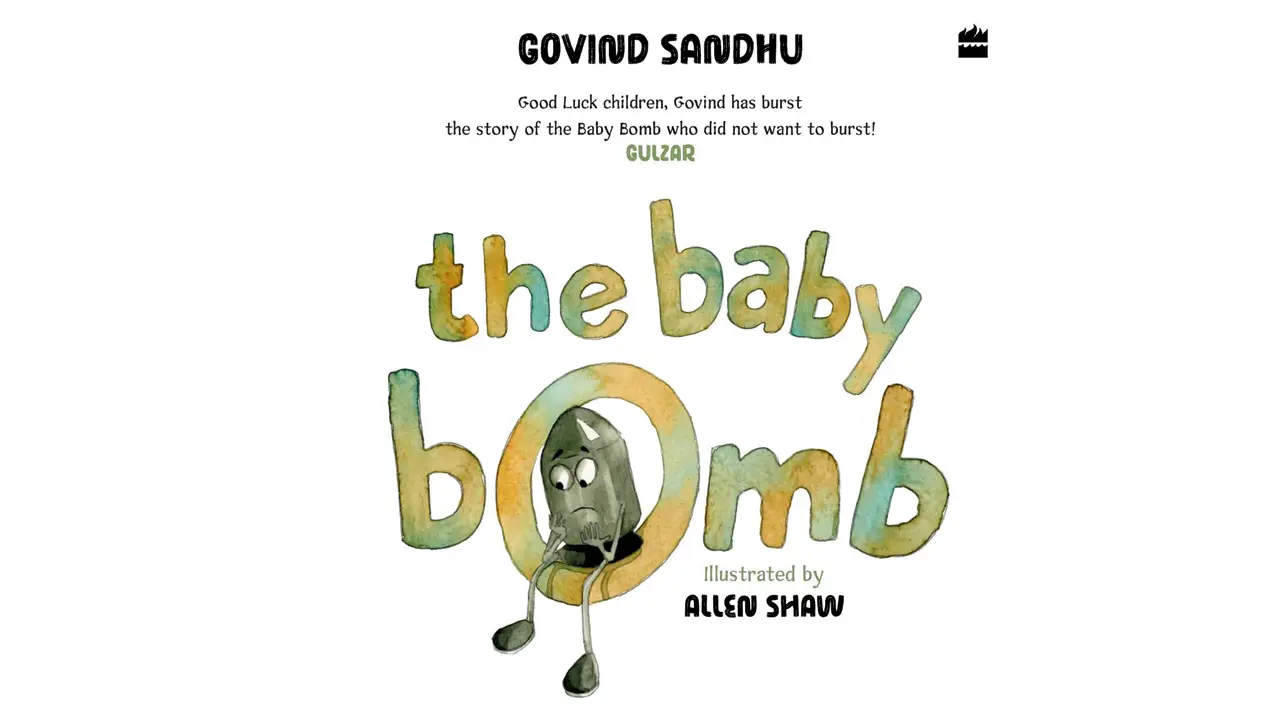
17 March,2026 03:10 PM IST | Mumbai | Sonali Velinker KamatTitle: The Baby BombAuthor: Govind SandhuGenre: Children’s fictionPublisher: HarperCollins IndiaCost: Rs 499 A new book, The Baby Bomb, is creating quite the stir, and the timing couldn’t have been more appropriate. Author Govind Sandhu says, “This book was inspired by the plight of children of Gaza and Ukraine who are caught up in a war for no fault of theirs. It seems like humanity is determined to destroy itself. The Baby Bomb is the story of a bomb called baby who has taken it upon himself to change the world and save us from ourselves.” Illustrator Allen Shaw adds, “There could not be a better time for a book about the effects of war. Sandhu has shown us his knack for finding light where everything seems most dark. It was an honour to illustrate this profound story that gives us hope.” The book introduces us to Baby Bomb who was born into a legendary family of destruction. His grandfather, Fat Man, ended World War II with a single explosion. But Baby has a tender heart, and questions his destiny to destroy. When a daring escape plunges him into the ocean, Baby discovers an underwater world where he befriends Ista the shark, Octo the octopus, and Long the torpedo. Together, they uncover a life-changing secret: bombs can choose to defuse themselves! As wars rage, Baby embarks on a mission to share this knowledge with bombs everywhere, offering them what he never had — a choice. This is a powerful story about breaking free from expectations, finding your true purpose, and proving that even those designed for destruction can become agents of peace. Can one small bomb change the world? Your guess is as good as ours.
17 March,2026 11:05 AM IST | Mumbai | The Guide TeamNearly 150 students of Shishuvan School got a glimpse of what William Wordsworth from their English textbooks might have felt when he stumbled upon his beloved 10,000 daffodils. On a trip last week, they came upon 5000 blooms stretched in a never-ending line, albeit of sunflowers, at a 3.5-acre farm in the Boisar town of Palghar. Farmers in the town have recently turned to growing the flowers in addition to vegetables and grains. Adventurers like Raj Chheda of the Join With Me group are joining hands with them to use the attraction as a gateway to nature education. Bhavesh Pawade (centre) and his family receive thanks from students at the farm after a productive day TILL April 12 (check schedule for dates)AT Kirat Village, Boisar, Palghar district. (Farm location shared on registration) LOG ON TO joinwithme.in ENTRY Rs 1799 (includes food) Farmer’s notes Does the buzz around their blooming fields really benefit the locals? Farmer Bhavesh Pawade, who runs one such farm in Boisar told us: >> The increased interest has helped us economically because visitors often buy vegetables, fruits and grains grown on our farm. This helps compensate for the cost of labour, and supports our farming work. Personally, it gives us a lot of satisfaction when people enjoy the experience. >> One special memory was when students from Shishuvan School visited. After their meal on the farm, they all said “Thank you” together with big smiles. That moment was very satisfying for our family and reminded us why we love welcoming people to our farm. What’s the plan? Field dayVisitors can walk through the field and touch (but not pluck) the flowers. Strike a pose like they do in the movies, or simply soak in the natural spectacle. The blooming phase where petals are bright lasts from January to the first week of April. Eat cleanThe farmers grow lentils, vegetables and fruits on the farm. A hearty meal under an old tree’s shade includes rice bhakris, wholesome dal, pickles, and vegetables. Mangoes, jamuns, and cashew nuts are in season. Go with the flowThe farm lies near the River Surya that originates in the hills of Palghar. Visitors can walk along an easy riverside trail for adults and children, or sit by the flowing streams along the way.
17 March,2026 10:59 AM IST | Mumbai | Devashish KambleTimeless beauty: Nimrat Kaur on Waheeda Rehman Some moments leave an imprint — meeting Waheeda Rehman was one of those for Nimrat Kaur. This week, the Pyaasa actress is our chosen icon, selected by Nimrat not least of all for being her late father’s favourite. Nimrat Kaur “I love her for making progressive and extremely ahead-of-her-time choices in her film selection, whether it’s Kaagaz Ke Phool or Guide, which is genuinely one of my all-time favourite films. I feel Waheeda ji has always been true to who she is as a person, and that reflects in the way she carries herself. She has a quiet grace and quiet strength which you actually experience when you meet her and when you see her work.” A true timeless beauty in every sense. Life in Plastic Perhaps it is time for Smriti Mandhana to expand her display cabinet. Already, Asia Cup and Asian Games honours are battling for space with Commonwealth Games silverware and that massive World Cup medal. Let’s not forget an Arjuna Award and a Women’s Premier League title too. With centuries scored across all three international formats of the game, our women’s national cricket team vice-captain has been hitting it out of the park for quite a while now. Smriti Mandhana and her mini-me News of the latest addition to her trophy shelves came in yesterday, with Mandhana’s appointment to another team — this one devoid of other batters, but chockful of big hitters. Mattel brand Barbie picked Mandhana for their first-ever ‘dream team’ of global female role models — alongside ‘teammates’ including tennis legend Serena Williams, professional footballer Chloe Kelly, and German singer Helene Fischer. An initiative to mark International Women’s Day and recognise her impact both on and off the field, this ‘award’ may be Mandhana’s best one yet: a one-of-a-kind Barbie doll created in her likeness. A dream for many little girls, but a reality for less than a handful of Indian women — para badminton player Manasi Joshi and Olympic gymnast Dipa Karmakar are the only others to be immortalised in this way in previous years. Sadly, though, the dream ends as a one-off. Collectors hoping to snag a Mandhana mini-me should know that neither this Barbie nor the others are hitting store shelves anytime soon. In fact, the only Indian icon whose Barbie you can actually buy off the shelf is Katrina Kaif — because even in the doll aisle, she’s a bestseller. All praise for the pangat Of course the Tendulkar wedding was going to be a talking point, and so we’re obligated to dish out the details. Across an assortment of reels, most folks have already seen the arrivals and exits of everyone from the Ambanis and the Bachchans to the badshahs of cricket — MS Dhoni and Virender Sehwag included. At one point, Aamir Khan, Shah Rukh and Raj Thackeray stood chatting with the Gowariker brothers, Ashutosh and Avinash, and we were convinced the press would breach its barrier! Even Asha Bhosle made an entry, so it’s safe to say the attendance was epic. Arjun and Saaniya, flanked by their families. PIC/ASHISH RAJE From friends and family, however, we hear different highlights. A traditional Maharashtrian pangat marked the meal service — an incredible feat considering the guest list reportedly ran into the thousands. Two floors at the St Regis served as seating, with guests giving glowing reviews to both the food and the floral arrangements. If any grievances were aired, those were restricted to the rush for the elevators. Amid the ocean of attendees, the newlyweds naturally took centre stage: Arjun earned praise for his calm and composed demeanour, while his blushing bride Saaniya stole the show in a statement sindoori sari. A meritorious mention also to the mother of the groom: I thought Anjali Tendulkar looked as stunning on Thursday as she did on her wedding day in May 1995 — even prettier, if that is possible. And with that, this roundup is a wrap. From Ink to Intrigue Move over Emily in Paris — our actor-author export to France is making waves in MobLand! We’re talking about Koel Purie Rinchet, who appears to have landed a part in the beloved British crime drama television series, alongside a stellar lineup of stars including Tom Hardy, Helen Mirren, and former Bond Pierce Brosnan. Koel Purie Rinchet On our shores, famous fans of the show include telly tsarina Ekta Kapoor and actor Arjun Kapoor, but the Guy Ritchie‑produced mob saga has a global audience going gaga. Created by Ronan Bennett, MobLand’s successful first season is now being followed by a second, greenlit back in June 2025. With filming in full swing across the UK, faithful fans are crossing their fingers for a premiere before year-end. And now, with Koël joining the fray, all of India will be more invested.
17 March,2026 09:06 AM IST | Mumbai | Sonali Velinker KamatArriving in Juhu on Sunday morning to host a yoga-themed celebration for Women’s Day, Shilpa Shetty proved that Bastian Beach is meant for more than just binge drinking! Sun salutations and sisterhood never looked this stylish Rooted in the mountains Even though he is tucked away in the hills with barely enough connectivity to get through a phone conversation, chef Prateek Sadhu is making waves worldwide. Naar, his remarkable restaurant in Kasauli, currently sits just outside Asia’s 50 Best Restaurants list at No. 66, with the next round of honours set to be announced on March 25 in Hong Kong. Prateek Sadhu Grateful as he is for the recognition, Sadhu’s journey is defined less by the pursuit of accolades and more by a deliberate step away from the industry’s conventional rat race. Kasauli and Kashmir are his great loves, and he carries them with him wherever he goes. Back in January, he served Kahwa (among many other mouth-watering treats) at a state dinner hosted by President Droupadi Murmu for EU leaders Antonio Costa and Ursula von der Leyen — an understated gesture that sparked a lively exchange between von der Leyen and PM Narendra Modi about saffron. Sadhu calls it his “humble intent and attempt” to reshape perceptions of what Indian food can be — and he does so with dramatic effect, one plate at a time. This month, Hong Kong will get a taste of exactly what he means: first over dinner (a two-day ticketed collaboration with chef Adam Catterall at Roganic) and then through a talk titled ‘Rooted’ on March 24, both under the aegis of Asia’s 50 Best. For a chef who draws inspiration from the quiet mountains, the world seems to be listening louder than ever. Close shave for Vaughan Making the most of his time in Mumbai currently is Michael Vaughan, England’s 2005 Ashes-winning captain. Mornings often find him on a brisk walk around Oval Maidan, pausing to watch kids chase cricket balls with infectious energy. Our coastal city being far warmer than Yorkshire, he’s clearly enjoying every sun-soaked step, while packing in an assortment of adventures. From Leopold Café to crabs at Trishna, the cricket commentator is sampling the city’s favourites, working it off with padel, celebrating Holi, and even attending Harsha Bhogle’s son Satchit’s wedding. But Sunday brought his most amusing adventure yet. Michael Vaughan Setting up shop near Mumbai’s Gateway of India, a streetside barber would hardly have imagined having an ex-England player settle in for a shave and shoulder massage, but that’s just what Vaughan signed up for. Dewy-faced courtesy a nondescript Dindayal, Vaughan then made a video to mark the moment — a clip that our in-house cricket nut did not miss. Alluding to Vaughan’s travels, he proceeded to comment, “After Vistara, it’s vastara — that’s what that blade is called.” Serving up a sharp blade with a sharper sense of humour, now that’s quintessentially Mumbai. Colour across continents We should be done and dusted with Holi this week, but colourful stories from the day are still trickling in. While the Princess of Wales had an Indian audience spellbound from afar with her Holi celebrations over in Leicester on March 5 (Catherine even danced barefoot at a temple), a contingent of other Brits were painting the town red in Rajasthan. Liz and Damian Hurley with Arun Nayar In a multi-day celebration hosted by international entrepreneur Arun Nayar, everyone from his ex-wife actor Elizabeth Hurley to television presenter Trinny Woodall took in the sights and sounds of a spectacular seasonal celebration at Raas Devigarh in Delwara. It was a relatively intimate affair — tight on numbers but full of fun, with several Mumbai mavens making the trip, Tanya Dubash and Haseena Jethmalani included. Also in attendance were Roohi Jaikishan, husband Chetan and brother Riyad Oomerbhoy, as well as famed footwear designer Patrick Cox. Expectedly, gulab and gulal were central to the celebrations that began with colourful monogrammed welcome hampers, were followed by the flames of Holika Dahan, and ended in song, dance, and shared camaraderie. It was a weekend to remember, we’re told — vivid, vivacious, and unapologetically fun. Pashas and potholes With our roads perennially under excavation, Mumbaikars have become intimately familiar with the anatomy of a pothole — and scoring A-stars for excellence in the subject are a handful suburban wards. Learning that lesson last week were Isha Ambani and Anand Piramal, who trekked to Izumi in Bandra for brunch. Isha Ambani Dressed down in shorts, both Anand and Isha navigated a narrow pathway flanked by road rubble to reach the entrance. Isha’s short journey from the car to the restaurant was particularly perilous, given that she was cradling one of her tots too. That said, we can tell you from the gazillion times we’ve eaten there: this tiny Japanese restaurant is worth every uphill step. Their shimeji mushroom and beetroot salad alone is enough to have you lacing up your boots. And until our roads are finally repaired, dodging a crater or two is just the price you pay for your cravings — no matter who you are.
17 March,2026 09:05 AM IST | Mumbai | Sonali Velinker KamatThe diamond standard Aneet Padda channels pure Disney-princess poise, trading a glass slipper for a high-fashion exit in Juhu on Monday. Appearing as an ambassador for a jewellery brand, the Saiyaara starlet proves that while diamonds dazzle, confidence and a flawless silhouette are the ultimate accessories. Gems of love It takes strength to turn loss into a tribute, and love into a legacy — and this month, Farah Khan Ali is set to do just that. We hear the celebrated jewellery designer will open her new flagship store in South Mumbai on March 21, marking an important milestone in her 30-year journey with gems. Farah Khan Ali One has already come to expect opulent design and refined craftsmanship from Farah, but this launch comes with a collection that goes beyond glamour — delivering heart. Alongside her signature monogram pieces, she will unveil a special line of jewels inspired by her late mother, Zarine Khan, who passed away in November last year. Farah believes that jewellery carries a feeling, a moment, an intention. “Long after the day has passed, a jewel remembers,” she says. If that is so, what finer way to honour her mother’s memory than with a collection that transforms love and loss into lasting beauty? And with sisters Sussanne Khan and Simone Arora lending solid support, this event promises to be far more than a store launch, serving instead as a sparkling tribute to love, legacy, and a life well-lived. Slay all day Throughout this T20 World Cup campaign, Tilak Varma has offered up some crucial cameos, but his all-star moment appears to have arrived after we claimed the cup! Still buzzing from the high of Sunday’s victory, we woke up on Monday to find Tilak took the trophy to bed with him — if only for a few photos. Tilak Varma In a series of super-sexy shots on social media, the shirtless star is seen in his hotel room, toothbrush in one hand and trophy in the other. The pièce de résistance, however, is the last image in the carousel: trophy, tattoo sleeve, medal and the man himself on display like art against soft white sheets. The tournament may be over, but the fun has clearly just begun — and honestly, who would stop at play when you can truly slay? Outlook: Sunny If there was ever any doubt the Little Master has a big heart, let’s put that debate to rest. As our boys in blue lifted the T20 World Cup trophy on Sunday, Sunil Gavaskar kept his promise to Suryakumar Yadav (we told you all about that on February 17) — breaking into a brief jig to celebrate our colossal cricket triumph at the Narendra Modi Stadium in Ahmedabad. Sunil Gavaskar The 76-year-old legend, usually the picture of restraint in the commentary box, let his guard down for a few seconds as India Waale blared in the background. And in doing so, Gavaskar reminded us that cricket, beyond statistics and scorecards, is still — first and foremost — about joy. Ek tha Tiger “I really do believe that I stand on the shoulders of amazing artists and talents that came before me,” Priyanka Chopra Jonas told an audience of eager students during the India Conference at Harvard last month. Arguably our most recognisable face in Hollywood today, Priyanka credited Aishwarya Rai Bachchan and the late Irrfan Khan with paving the path to global recognition. But long before these trailblazers there was another, and it took a true OG to recognise it. Kabir Bedi On Friday, Salman Khan posted a shout-out to Sandokan star Kabir Bedi, referring to him as “the first Indian to do an international TV show.” Generous with his praise, Salman went on call Kabir “forever handsome, enigmatic, the original Tiger.” Both the sentiment and its timing were spot-on, with the iconic series celebrating 50 years at the Sanremo Music Festival in Italy on February 24. Of course, Kabir and his charming wife Parveen Dusanj attended the commemorative event, even interacting with the star of the new Sandokan series: Turkish actor Can Yaman. Salman Khan But back to our local ‘Tiger’ Salman and his tribute to Bedi. “My duaa that everyone looks as strong and conducts their emotional life as @kabirbedi. The new Sandokan @canyaman… you have big shoes to fill.” A roaring dose of rightful praise from one Tiger to another.
17 March,2026 09:03 AM IST | Mumbai | Sonali Velinker KamatWalking on sunshine Glowing in a vibrant yellow ensemble on Wednesday, Malaika Arora stepped into Sweeney, Khar, to launch her new lifestyle accessories line, Maejoy — and yes, the restaurant happens to be hers too. Two birds, one very stylish stone Skin glowing, Wit showing The internet will tell you Malishka Mendonsa is an Indian radio personality. Having known her for nearly three decades — we went to college together — I can assure you the operative word in that description is the last one: personality. ‘Mumbai ki Rani’ Malishka is less a job title than a full-blown presence. Her wit is quick, her laugh quicker, and her switch to ‘on’ appears to have been permanently installed sometime in the early 2000s. Malishka Mendonsa Take, for instance, her social media tell-all from a spa session on Tuesday. Alongside the picture we’ve reproduced here, Malishka writes, “Me trying to get my payment app to open through face recognition while getting a facial… Access denied. Skin aglow.” Peak personality. And then — because she can’t resist — she tops it off with a message to me when I ask for the image: “Babe, when you finally decide to write about me, you’re going to use this picture where no one can see my face?” Some people have good timing. Malishka, naturally, has the last word. Desi Triumph One of my early lessons in journalism — and easily the one I remember the best — came from the brilliant Bachi Karkaria. Her point: people care far more about the dead dog on their doorstep than a war on the other side of the world. It’s been ages, so forgive the paraphrase, but the lesson sticks. Vikas Khanna Underscoring that sentiment this week is chef Vikas Khanna. In a yet-to-be-released podcast with Vir Sanghvi, Vikas recounts his journey to stardom, peppered with tales of racism and despair, all with one message: “Let’s turn this pain into purpose.” Mission accomplished, clearly, because these days the Michelin-starred chef is fielding calls from Jeff Bezos, who wants to know how one scores a reservation at NYC’s Bungalow — Vikas’s East Village eatery. But back to our main mudda. In August 2024, Bungalow was awarded a prestigious three-star rating by The New York Times. Apparently, it marked the first time in nearly 25 years that an Indian restaurant has received such a high honour from the publication. Understandably excited, Vikas rushed to share the news with his mother in India. “Mumma ne sidha bola ki Punjab Kesari mein toh aaya nahi,” the chef recalls. Perhaps this piece, published closer to home, will finally deliver the news to her doorstep. Brand Stand Celebrity brand ambassadors don’t always put their money where their mouths are, but that can’t be said of Sachin Tendulkar. Literally walking the talk in Ten x You sneakers, Sachin showed up to support son Arjun during a practice session at Bandra’s MIG Cricket Club last month. No planned press conference, no staged photo op — just Sachin being Sachin, and yes, actually wearing his own brand. Sachin Tendulkar. PIC/SHADAB KHAN This kind of commitment is commendable, especially since it isn’t the norm. We find local ambassadors for Louis Vuitton or Gucci wearing their brand one day and Dior or Hermès the next — as evidenced by ample airport looks. Perhaps there’s an aspect of good sportsmanship to it, because another cricketing icon showed the same sort of commitment during a photoshoot with yours truly some years ago. Yuvraj Singh is the man in question, whom I had kitted out as a Keanu Reeves-inspired Matrix hero. Fashion designer Narendra Kumar Ahmed was tasked with getting the ensemble on point (which he did with aplomb), and that left us to match Neo’s signature Matrix micro-sunglasses. Chuffed to have found the perfect pair, we were met with pandemonium on set when Yuvi refused to wear anything but Oakley because he was associated with the brand at the time. No amount of cajoling worked and eventually we went with what he wished. Because in a world of flexible brand loyalties, that kind of consistency is its own quiet heroism. History in silk Vijay Deverakonda Baroda royal Radhikaraje Gaekwad is a custodian of culture and a connoisseur of the arts. She wears legacy with a lightness and grace that makes her relatable, but don’t mistake that ease for ignorance — this maharani knows her history. Which is precisely why she had an unexpected observation when actor Vijay Deverakonda popped up on her Instagram feed, dressed in a regal Falguni and Shane Peacock ensemble for his recent sangeet ceremony. Radhikaraje Gaekwad While the internet fawned over Vijay as the season’s best-dressed groom, Radhikaraje clocked something else entirely: the cape. To her trained eye, the look carried echoes of royal wardrobes from decades past — the powder-blue silk cape recalling the very cloak Maharaja Sayajirao wore in 1919, when the British Empire awarded him one of its highest honours. For everyone else, this was just another stylish celebrity moment. For the Maharani of Baroda, it was proof that fashion has a long memory. And to us, a reminder that a royal eye sees what the crowd cannot.
17 March,2026 09:02 AM IST | Mumbai | Sonali Velinker KamatTimeless beauty Sanjana Sanghi on Zeenat Aman Dil Bechara beauty Sanjana Sanghi puts Zeenat Aman in the spotlight this week, and for all the right reasons. “She is truly an enduring icon, and not just for her striking beauty. Zeenat Aman ji redefined what beauty and confidence mean for a modern woman, and she did it back in the 1970s, when the industry was largely defined by traditional portrayals of women. As a media student in college, we’ve literally written papers on how she changed the female gaze in Indian cinema. Sanjana Sanghi That unapologetic individuality and a bold cosmopolitan energy that audiences had rarely seen before — her breakthrough performance in Hare Rama Hare Krishna became an instant cultural phenomenon! What really makes her timeless is that her beauty, personality, and confidence are inseparable, and I think that is such an inspiration for the modern Indian woman.” Laughter is the best medicine Russell Peters is heading back to Mumbai on March 22 after an interminable intermission — and honestly, we’re all due for the dose. His Relax World Tour kicks off its seven-city India run in Delhi this Sunday. Russell Peters Chatting with me during his last visit, the comedy giant (no fat shaming intended!) was firm on not “toning it down.” He’s been at this since 1989 and refuses to “turn into a civilian” by self-filtering and sacrificing his superpower. To Russell, losing that edge is like Superman giving up his cape to be human: “You realise pretty quickly that it sucks,” he says. For Mumbai audiences, this isn’t just another comedy show. It’s a chance to witness a master at work — wielding wit as effortlessly as ever and reminding us why humour, unfiltered and unapologetic, remains a superpower we all need. Tiny table, big legacy Thursday brought terrific tidings for two Mumbai eateries, with the announcement of Asia’s 50 Best Restaurants (51-100) for 2026. Papa’s in Bandra replaces chef Prateek Sadhu’s Naar at No. 66, while Gauri Devidayal and Jay Yousuf ’s The Table comes in at No. 73. Sameer Seth, Hussain Shahzad and Yash Bhanage Now while The Table remains one of our fast favourites, it is Papa’s poignant story that truly deserves attention. Named after the late chef Floyd Cardoz — affectionately addressed as Papa ji — this tiny 12-seater is a hidden gem, helmed by chef Hussain Shahzad. Founders Sameer Seth and Yash Bhanage continue Cardoz’s legacy here, with Sameer noting he often feels Floyd’s guiding hand at work. “He’ll be sitting with a single malt somewhere, cheering us on for this,” says Sameer, understandably elated at the new honour. “Moments like this underscore that our work stands for something. The validation and recognition are incredible for the whole team, and we are truly grateful.” Having earned a top accolade from Time magazine in 2025, Papa’s continues to rack up recognition, cementing its place as one of Mumbai’s culinary treasures. Fully booked through April already, this tiny treasure proves that Cardoz’s legacy — and Mumbai’s appetite for it — are very much alive. Papa’s can preach Since opening its doors in February 2024, this small suburban space has been a magnet for big names. Pop star Dua Lipa and actor Callum Turner are among those who have dined here, in addition to Alia Bhatt and Ranbir Kapoor, Anushka Sharma and Virat Kohli, and Indo-Canadian singer-rapper AP Dhillon. Seventy splendid overs One could scarcely have scripted a more felicitous coincidence — celebrating seventy splendid overs of Shashi Tharoor while the ICC Men’s T20 World Cup final provided the background commentary. And so it was on Sunday night that legal eagle Rohit Kochhar and wife, Sonali, hosted a party to bring in the birthday of our favourite former export to the United Nations, at their sprawling Chhatarpur mansion. Shashi Tharoor The capital’s most conspicuous citizens stepped out for cocktails and dinner with Tharoor: ambassadors from at least three EU countries including Lithuanian diplomat Diana Mickevičienė; MP Priyanka Chaturvedi and a handful of fellow politicians; Kathak queen Shovana Narayan; economist Prem Shankar Jha; OG influencer Bina Ramani; and journo Barkha Dutt. Not surprisingly, fellow lovers of language attended too — William Dalrymple and Chetan Bhagat amongst them. Champagne was poured, the cake — a perfect Moët magnum replica — was cut, and a giant screen carried the cricket live. And while India’s World Cup triumph was a handsome birthday bonus, the night’s real headline was Tharoor’s mother being there to see him into his seventies. A blessing indeed.
17 March,2026 08:59 AM IST | Mumbai | Sonali Velinker KamatManav Kaul’s Aranya Theatre brings to the stage the actor-theatre maker’s, Trasadi. A moving production, the piece is built around the theme of maternal love, loss, and a son’s repentance performed by Kaul himself. On March 19; 6 pm and 9 pmAt Prithvi Theatre, 20, Juhu Church Road, Juhu. Log on to in.bookmyshow.com Entry Rs 770 onwards
16 March,2026 10:41 AM IST | Mumbai | The Guide Team1 Thank God It’s Caturday (Red Panda) Meet some truly cool cats, and we mean the real feline variety in this marvellous collection of stories, edited by Lubaina Bandukwala. The illustrations by Sonal Gupta are a delight, and bring these stories to life. Whether you’re a cat lover, or not, this one is all about being a part of their lives. 2 This is How You Lose Her (Penguin) If you haven’t discovered Junot Díaz, this book is a reminder. His effortless, almost lyrical prose will melt the hearts of even the most hardened of cynics of love and relationships. His writing is bare, brutally honest, and deliciously romantic, all at the same. 3 Bombay II New York (Self-published) This ode to two buzzing world cities by Ria Mirchandani, is a fun flip-through book with vibrant illustrations by Shivantika Jain Kothari. The quirky idea to celebrate these cities and their unique characteristics, is the ideal gift for those missing home in the Big Apple, as we learnt was the case with the creators who crafted this trippy gem.
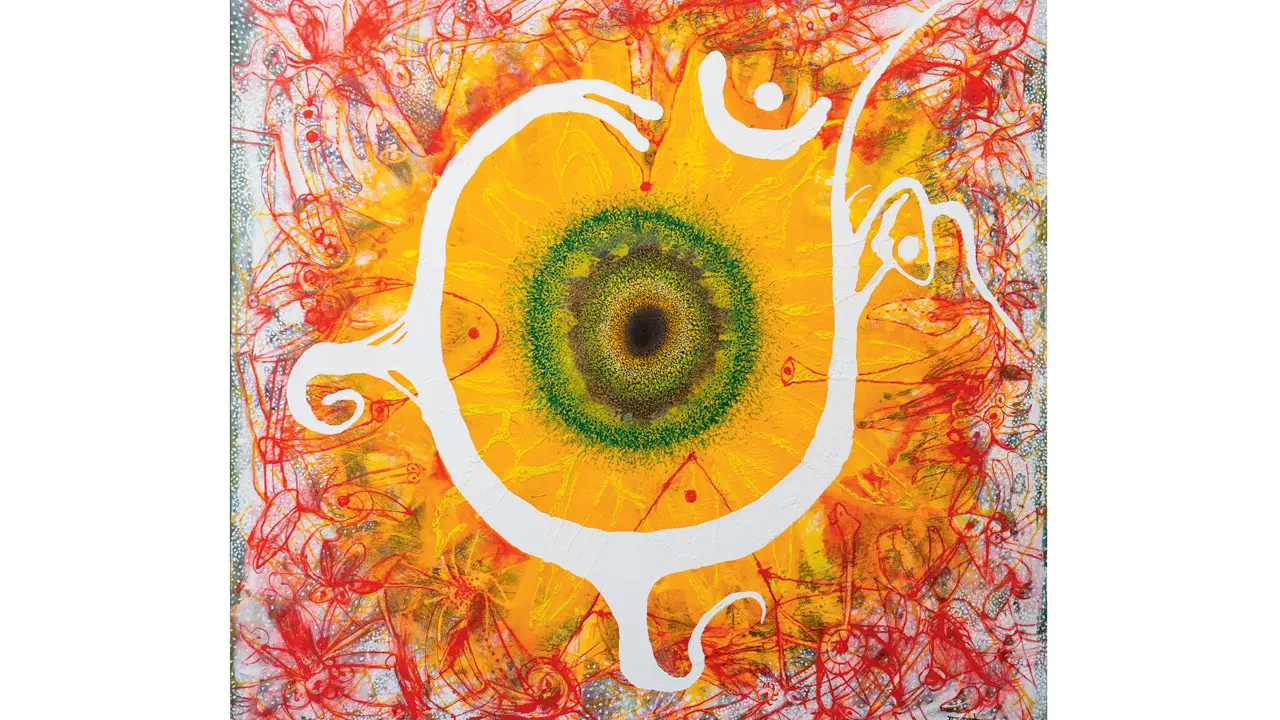
16 March,2026 10:37 AM IST | Mumbai | The Guide TeamHe mentions it so casually that this writer almost misses it. It takes a second hearing to realise the gravity of the name. “It was during my interactions with the Hungry Generation of Poets in Kolkata during the 1960s, that Shakti Chattopadhyay introduced me to Allen Ginsberg,” says Manu Parekh. The 89-year-old is sharing his journey through art, and flower power. The latter forms a key motif that has informed his work, and does so in his latest exhibition, Flower Sutra Part Two. Chanting with Colours 5, 2025 “The exhibition is a continuation of the series that opened in Delhi. Peter Nagy [curator, Nature Morte] and I agreed upon the name,” the veteran adds. The series brings to light the artist’s signature style where figures, forms, and intense energy emerges through expressionist abstraction. “Everything can be touched through figuration, or abstraction,” the Padma Shri- Awardee points out. And he does so by distilling them through a visual language defined by colour, symbolic motifs, and spirituality. This experience traces back to his roots as a young child participating in Navratri decorations of Mohalla Mata (patron goddess; Malla Mata) in the Pols (traditional cluster of homes in a neighbourhood). He would witness Indian spirituality take centre stage in American counter-culture during his years at Sir JJ School of Art in the 1960s, and later travel to Kolkata; hang out with the Hungry Generation Poets, cinematographers like Subrata Mitra, and be introduced to a certain Allen Ginsberg. Each of these experiences informed his journey of art and life. Sunflower Sutra - II, 2025 Yet, it is in Varanasi or Banaras that he found the symbol that defined it — the flower. He recalls walking down Dashashwamedh Ghat, watching a marriage being solemnised, to bodies being burnt at Manikarnika Ghat. “Banaras gave me faith and flowers. It reminded me how important faith is for the common man in this country. And flowers are physical representations of the journey of life,” the artist adds. It echoes the exhibition note, which reads, “Life, birth, marriage, and death: flowers will be there.” This veering away from formalist definitions, and an engagement with rooted Indian philosophy defines his work. “These ideas affect your life deeply,” he explains. In his 80s, he continues to defy age. “Positivity has kept me going. As for painting, there is a poem by Sant Tukaram where he reveals Lord Vitthal ordered him to write a billion poems, and so, he writes. As an artist, I do not have a choice. I have to create TILL April 4; 11 am to 7 pm (except Mondays) AT Nature Morte, third floor, Dhanraj Mahal, Apollo Bunder, Colaba.
16 March,2026 10:28 AM IST | Mumbai | Shriram IyengarADVERTISEMENT