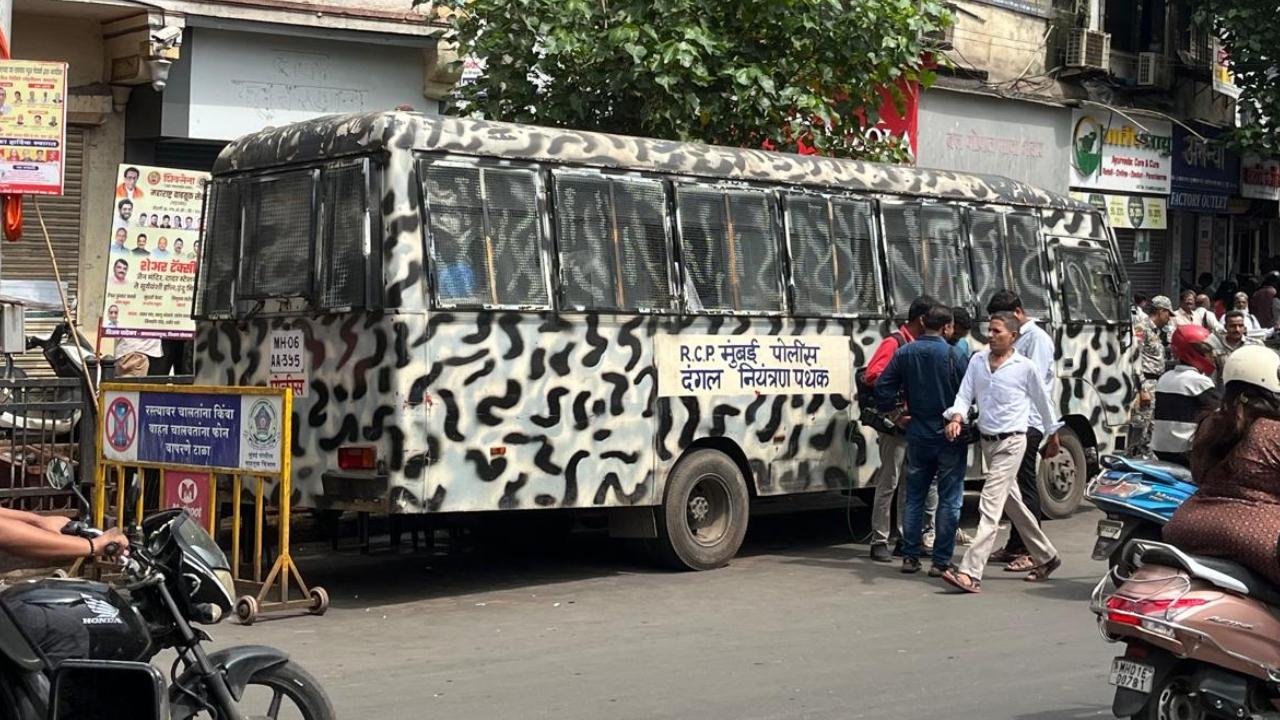
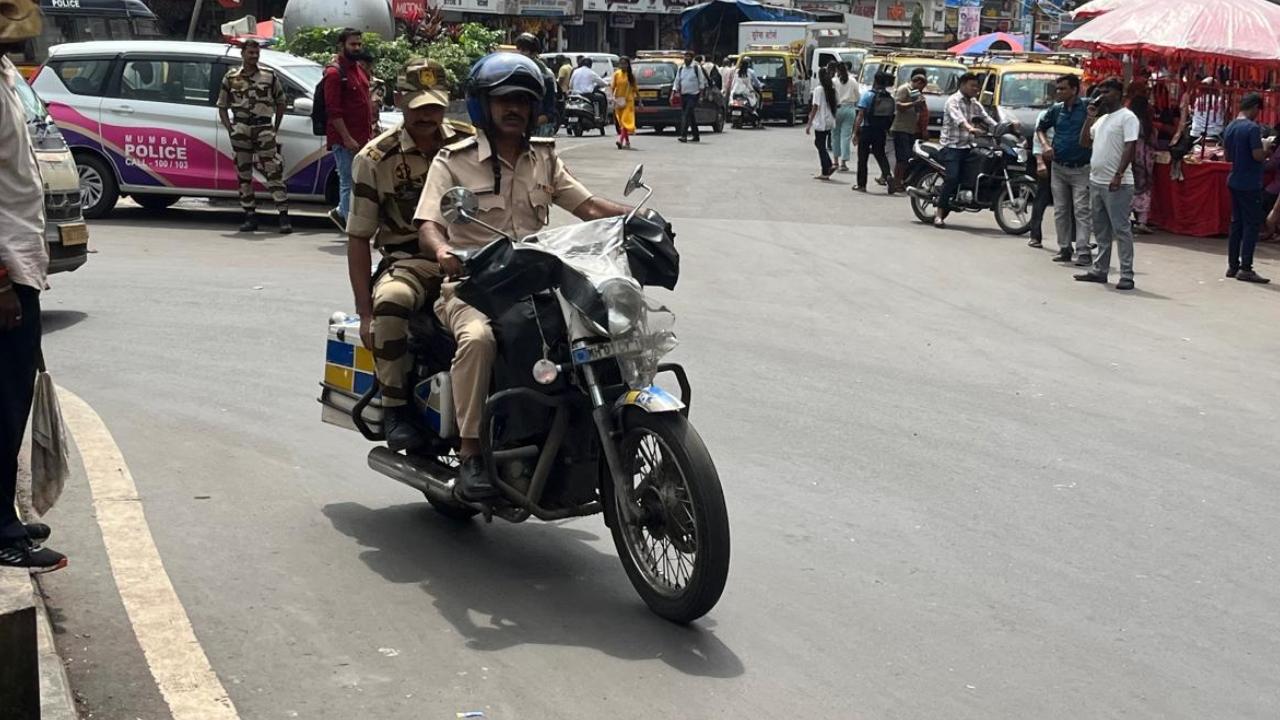
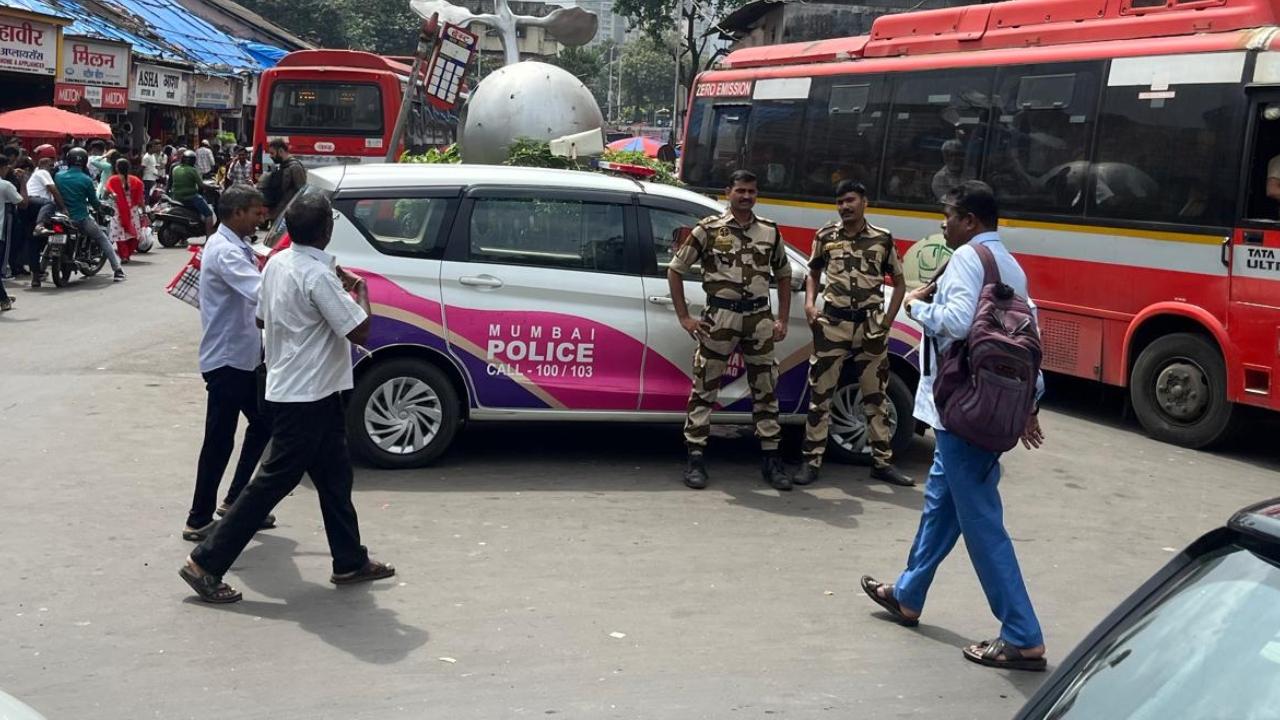
Earlier, the Maharashtra government directed the Brihanmumbai Municipal Corporation (BMC) to immediately halt pigeon feeding across the city and launch an awareness campaign about its harmful impact on the health of nearby residents. The move, however, triggered public outrage, with some residents supporting the decision while others opposing it.
The Bombay High Court has upheld its decision not to stay the civic body’s ban on feeding pigeons at kabutarkhanas across Mumbai. However, it suggested forming a committee of expert doctors to examine whether the city’s older kabutarkhanas should continue operating, adding that “human life is of paramount importance.”
The court also said it had not passed any order directing the closure of kabutarkhanas in the city, but only refrained from staying the closure order of the municipal corporation.
Members of the Jain community and local residents have now urged the court and BMC to provide a solution that ensures pigeons continue receiving food and water. They argue that either citizens should be allowed to feed the birds, or the BMC must take responsibility for their care.
According to community members, 15–20 pigeons are found dehydrated or injured daily near the Dadar kabutarkhana. The nearby Jain temple is currently offering treatment to these birds.
The court reviewed a medical report highlighting the serious health risks from exposure to pigeon droppings, including cases that led to lung transplants. The court emphasised that children and senior citizens are particularly vulnerable.
Members of the Jain community have warned that if the Dadar kabutarkhana remains shut, they will begin a hunger strike (Anshan) outside the premises.

ADVERTISEMENT