Home / Mumbai / Mumbai News / Photos /
IN PHOTOS: Smoggy Mumbai mornings portray worsening pollution crisis
Updated On: 31 January, 2026 03:08 PM IST | Tarun Verma
Large parts of the city woke up to a dense blanket of smog today. As of Saturday, January 31, 2026, Mumbai is experiencing a severe air pollution crisis, with thick, hazy, and cold conditions covering much of the city, causing the Air Quality Index (AQI) to spike into the "Severe" and "Unhealthy" categories. (PICS/ASHISH RAJE)





 01
01 02
02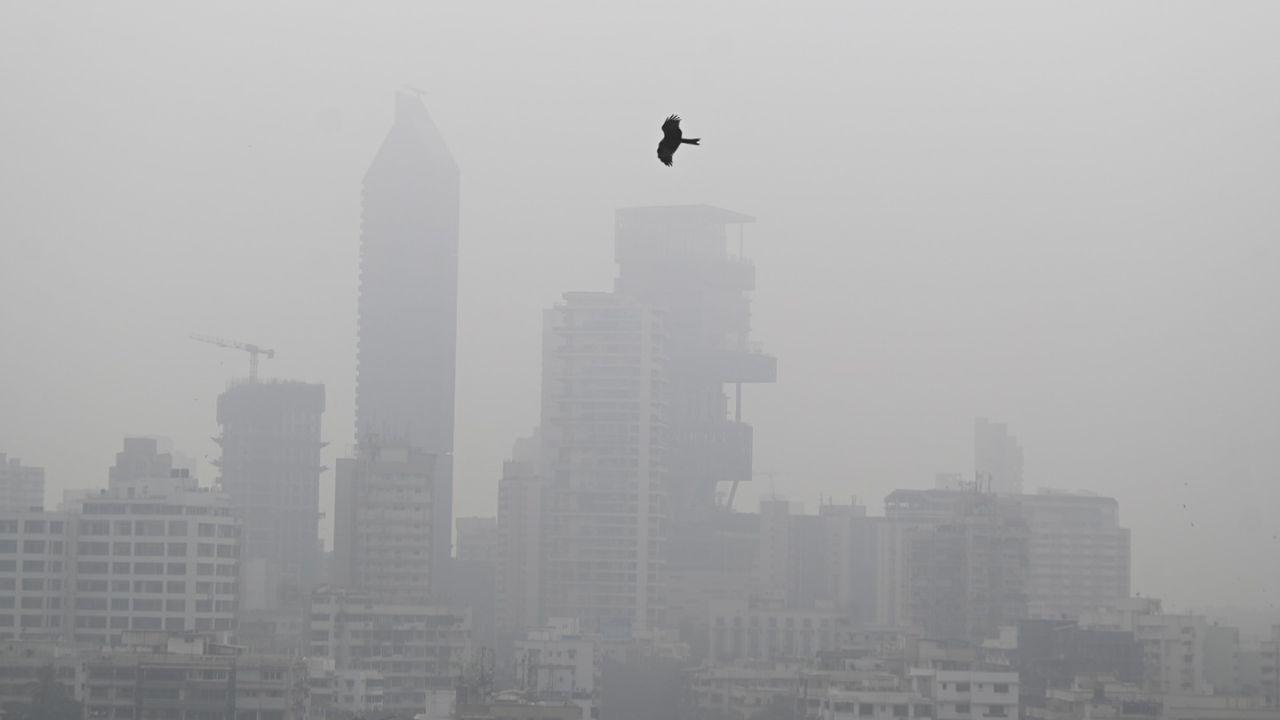
The city coastal road skyline appeared muted and grey as visibility dropped sharply due to heavy smog intensifying pollution levels across Mumbai
03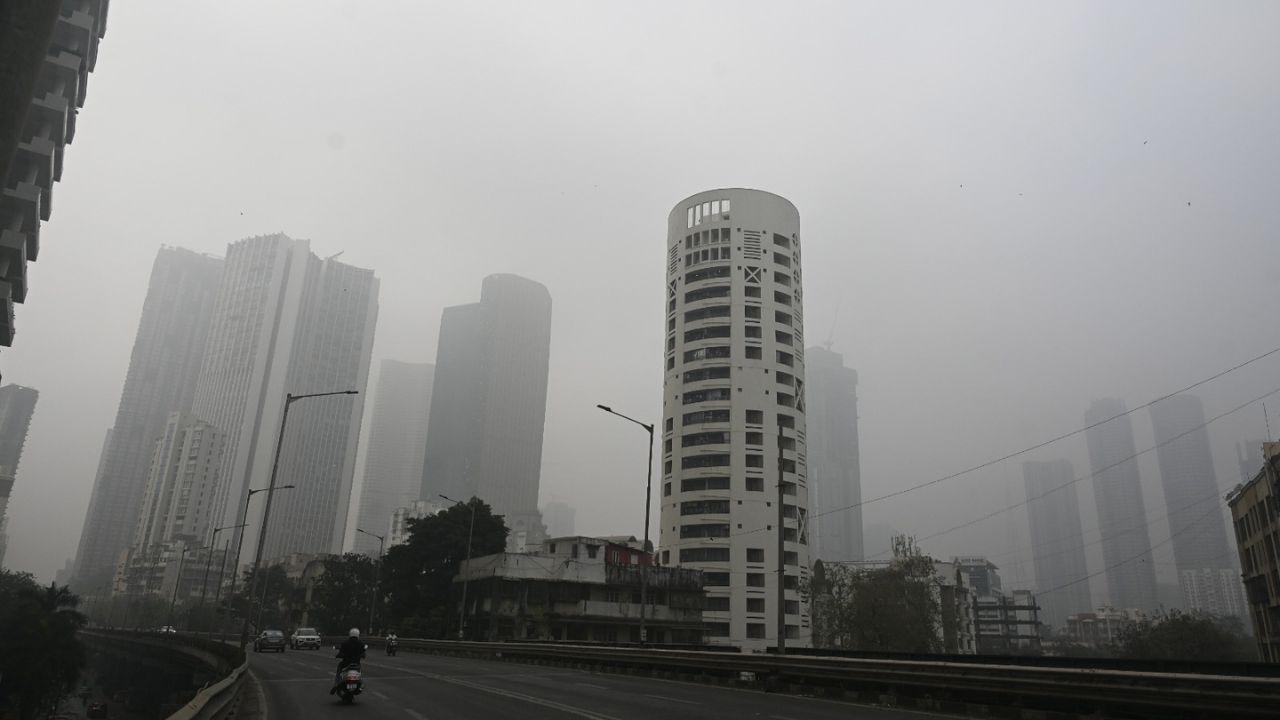
Elphinstone Bridge in Prabhadevi remained shrouded in smog as the Air Quality Index (AQI) surged to 258, placing Mumbai in the ‘unhealthy’ category and edging closer to ‘hazardous’
04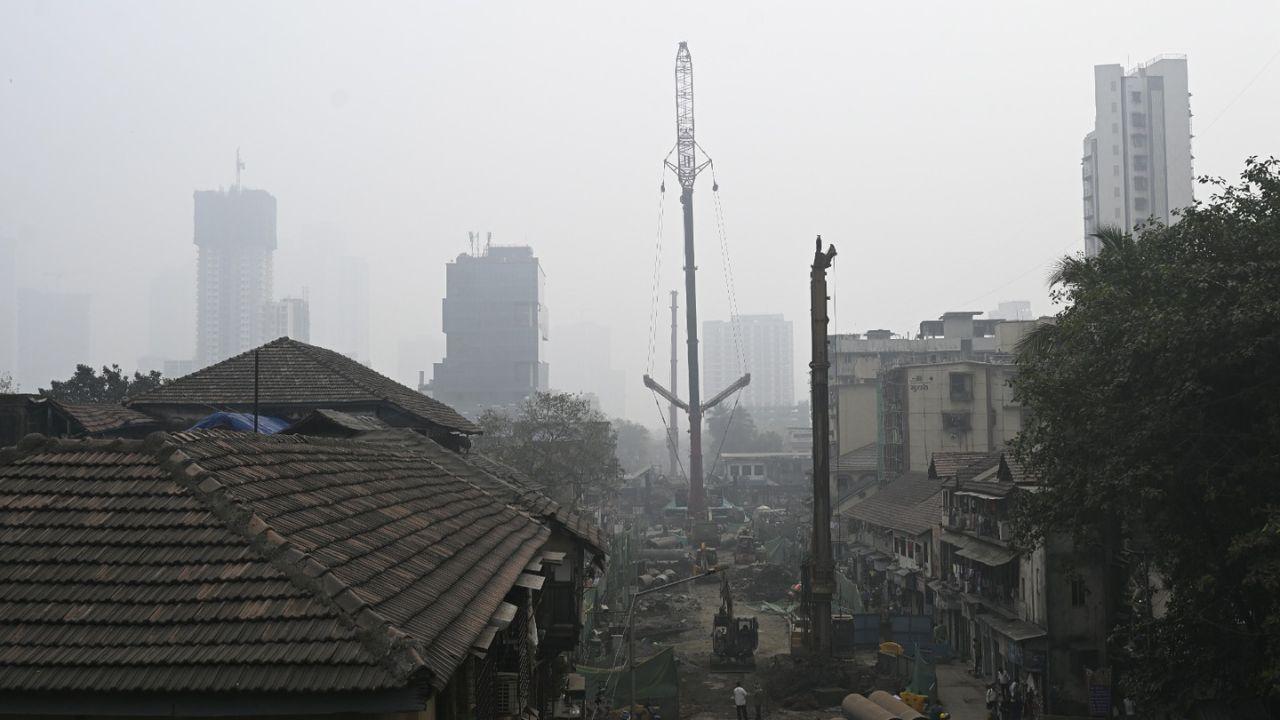
The prolonged smog in Lower Parel, Worli, Prabhadevi and other other parts of the city highlights growing environmental concerns
05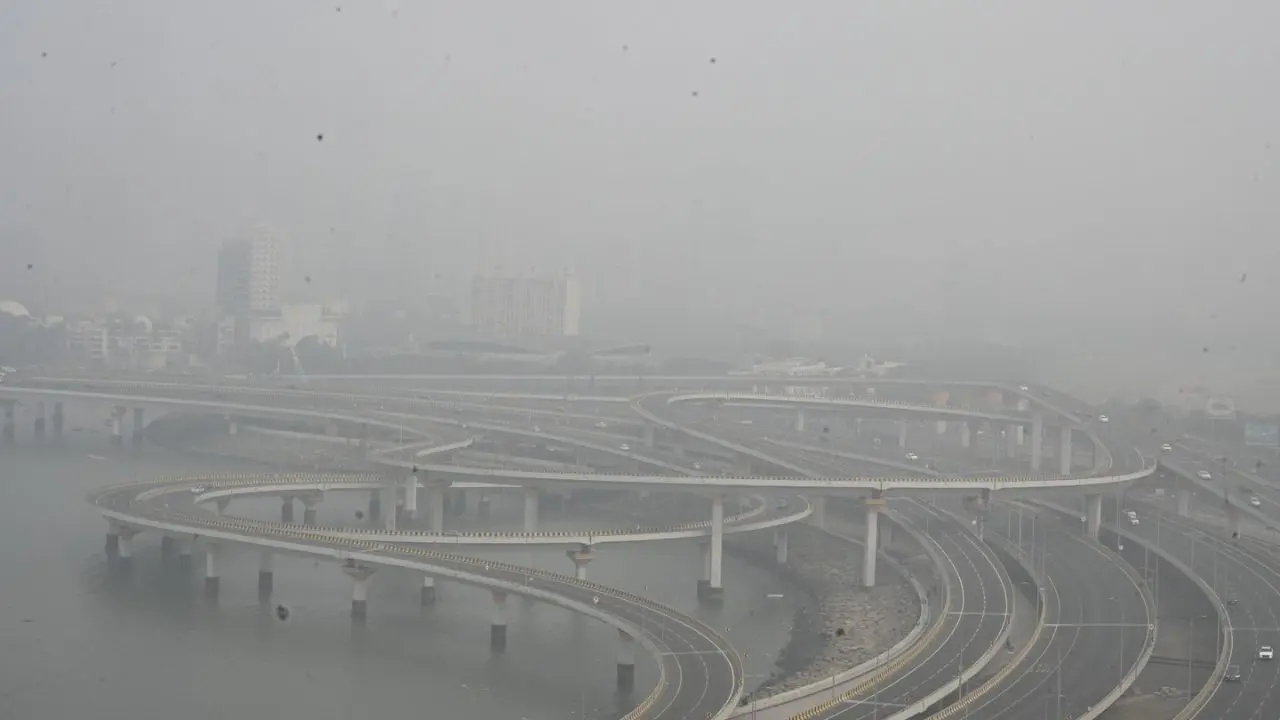
According to the CPCB, an AQI between zero and 50 is considered 'good', 51 to 100 'satisfactory', 101 to 200 'moderate', 201 to 300 'poor', 301 to 400 'very poor', and 401 to 500 'severe'
06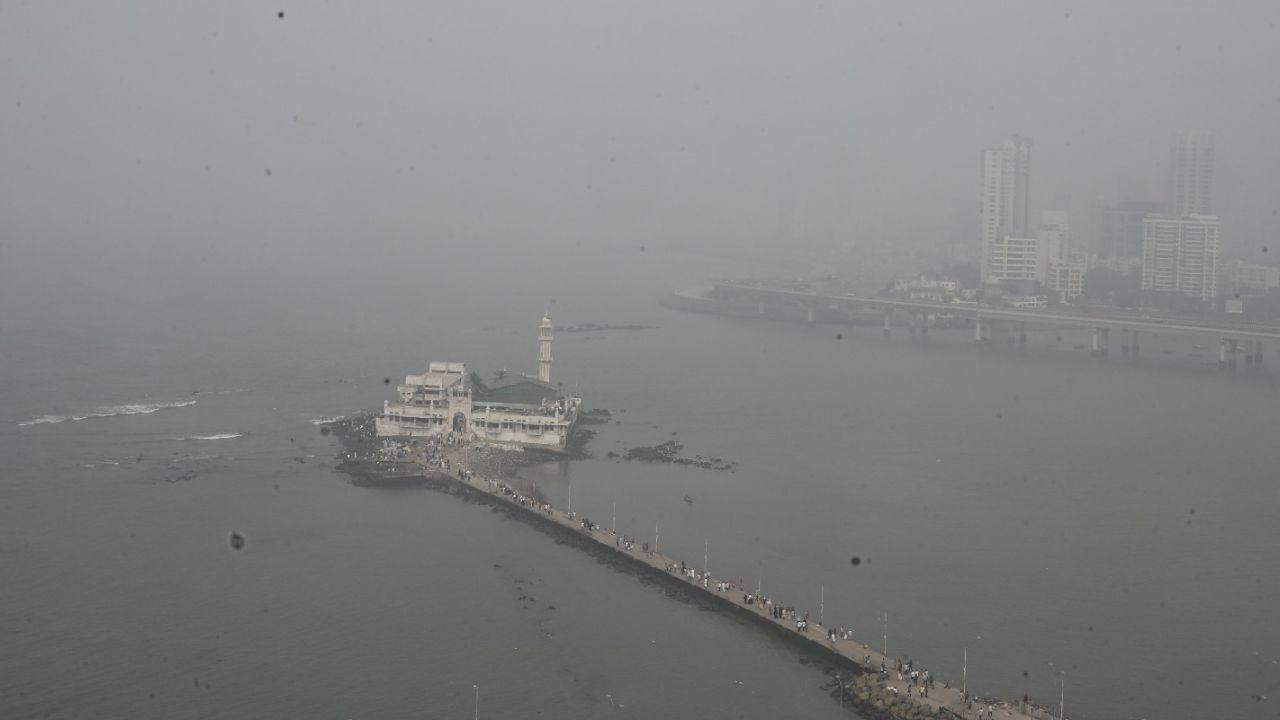
The iconic Haji Ali and Worli coastal stretch disappeared under polluted air as humidity hovered around 70 percent and temperatures remained near 28 degrees celsius, worsening breathing conditions
07.jpg "South Mumbai areas such as Peddar Road, Haji Ali and Tardeo were engulfed in thick haze as major pollutants, PM2.5 and PM10 reached 109 µg/m³ and 128 µg/m³ respectively, far exceeding safe limits under Indian AQI standards")
South Mumbai areas such as Peddar Road, Haji Ali and Tardeo were engulfed in thick haze as major pollutants, PM2.5 and PM10 reached 109 µg/m³ and 128 µg/m³ respectively, far exceeding safe limits under Indian AQI standards
08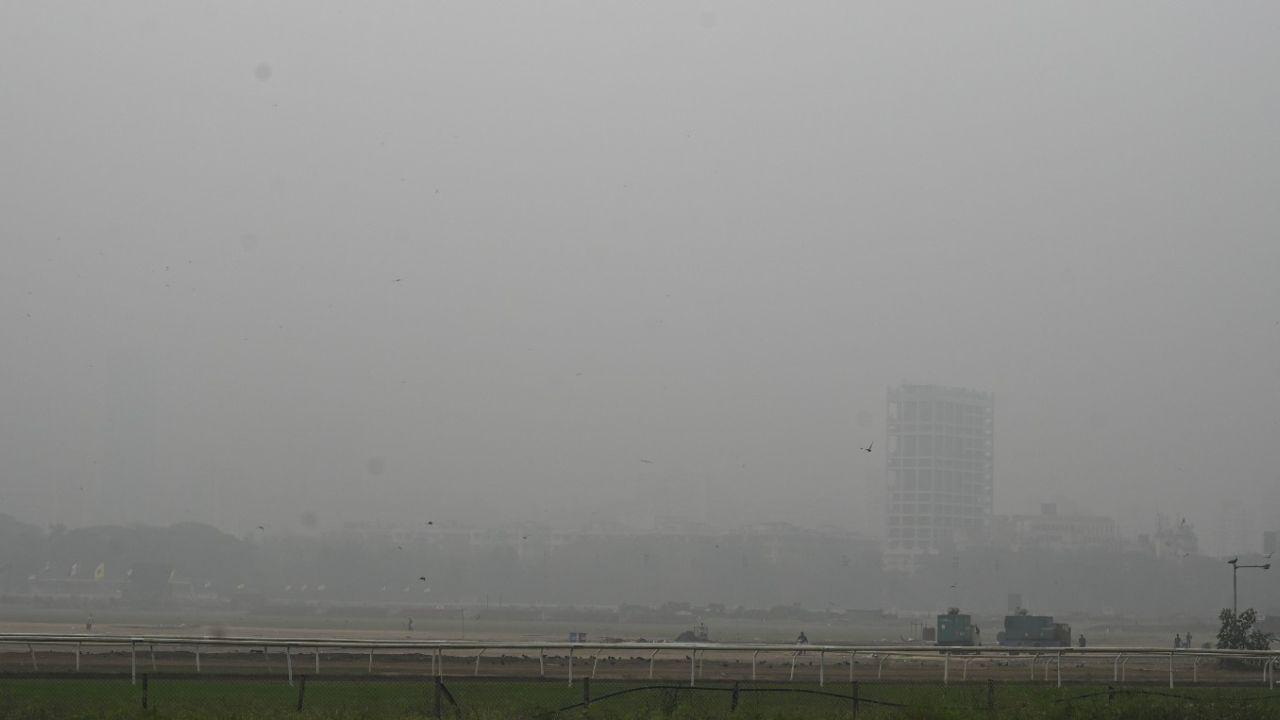
According to AQI estimates, breathing Mumbai’s air in these conditions is as harmful as smoking 5.1 cigarettes a day, prompting advisories to stay indoors and wear masks
Recommended Photos
ADVERTISEMENT
ADVERTISEMENT
Photo of Day
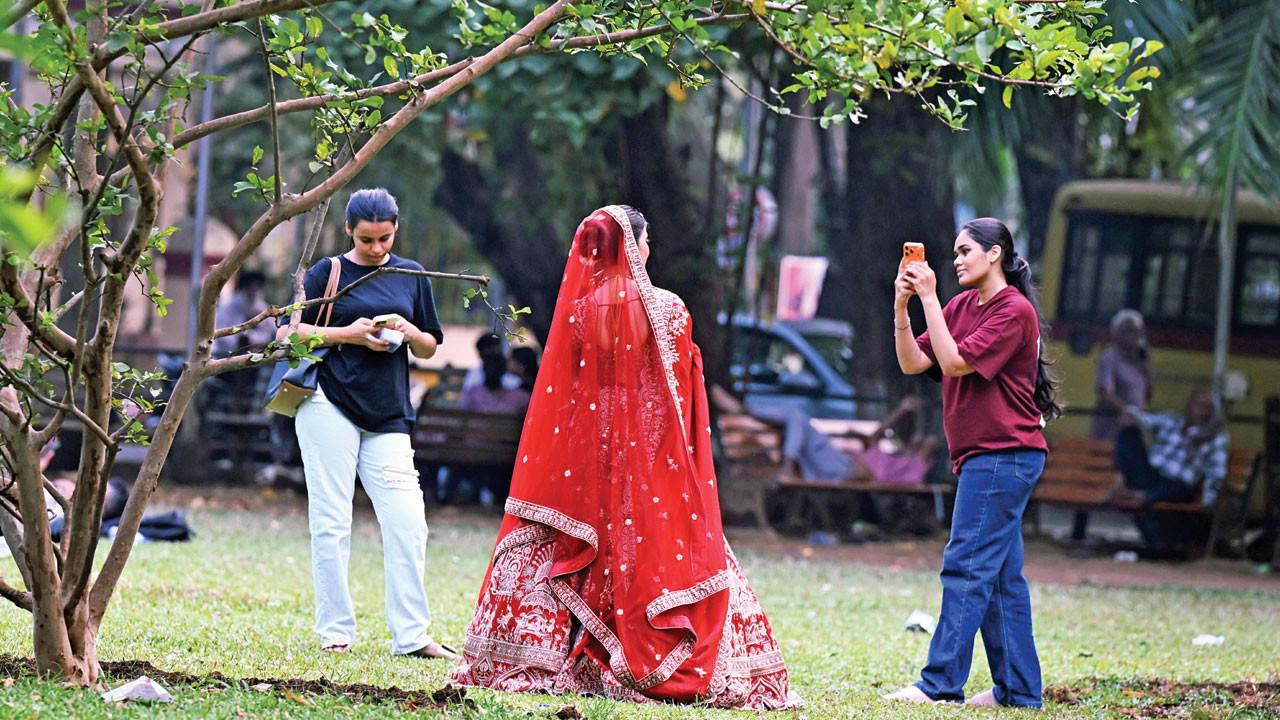
Get red-dy with me!
A enthusiastic Mumbaikar is clicked in full traditional wear at Five Gardens, Wadala. Pic/Atul Kamble