Home / News / India News / Photos /
In Photos: Air quality remains severe in parts of Delhi despite slight weather relief
Updated On: 16 December, 2025 09:29 AM IST | ronak mastakar
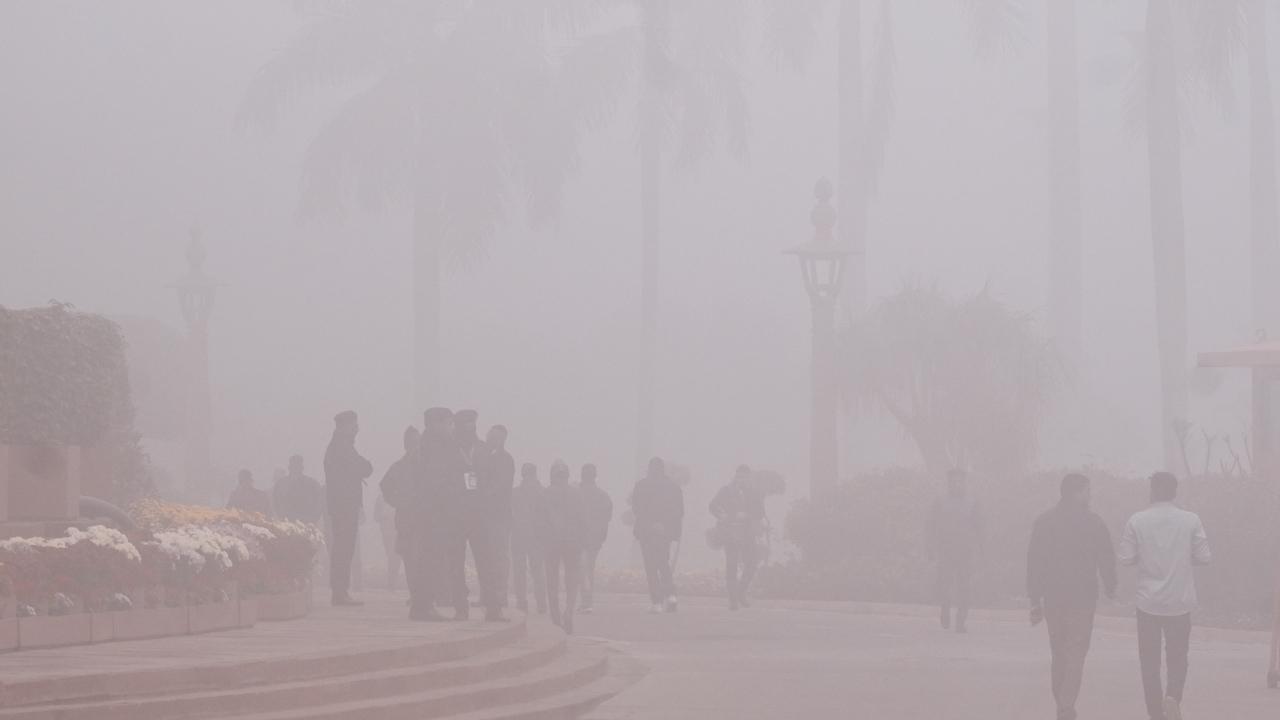
Residents of Delhi and the National Capital Region (NCR) experienced marginal relief on Tuesday as weather conditions led to a slight improvement in air quality and visibility. The change came after north-westerly surface winds helped disperse the thick fog and haze that had blanketed the region a day earlier. (Pics/PTI)




1/6
2/6
The city’s Air Quality Index (AQI) improved to the 'very poor' category, registering 381 on Tuesday, compared to 'severe' levels recorded on Monday. Stronger wind movement during the morning hours reduced fog density, resulting in clearer conditions across several areas, including Delhi, Noida, Ghaziabad, and Gurugram. However, the respite remained limited, with around eight air quality monitoring stations in the national capital still reporting 'severe' pollution levels.
ADVERTISEMENT
3/6
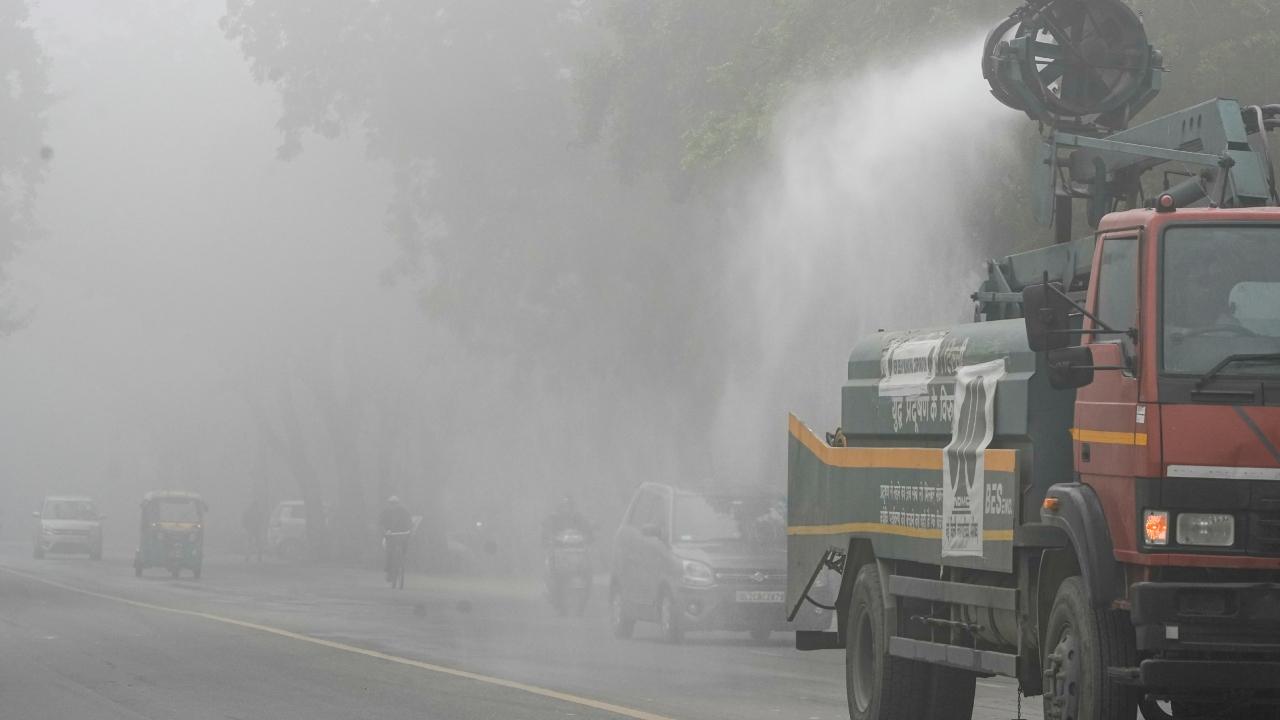
Wazirpur was the worst-affected area in terms of pollution levels, with an AQI reading of 434. It was followed closely by Jahangirpuri, with AQI levels of 430. A few other areas, such as Mundka, Delhi Technical University (DTU), and Nehru Nagar monitoring centres, also showed ‘severe’ levels between 424 and 420.
4/6
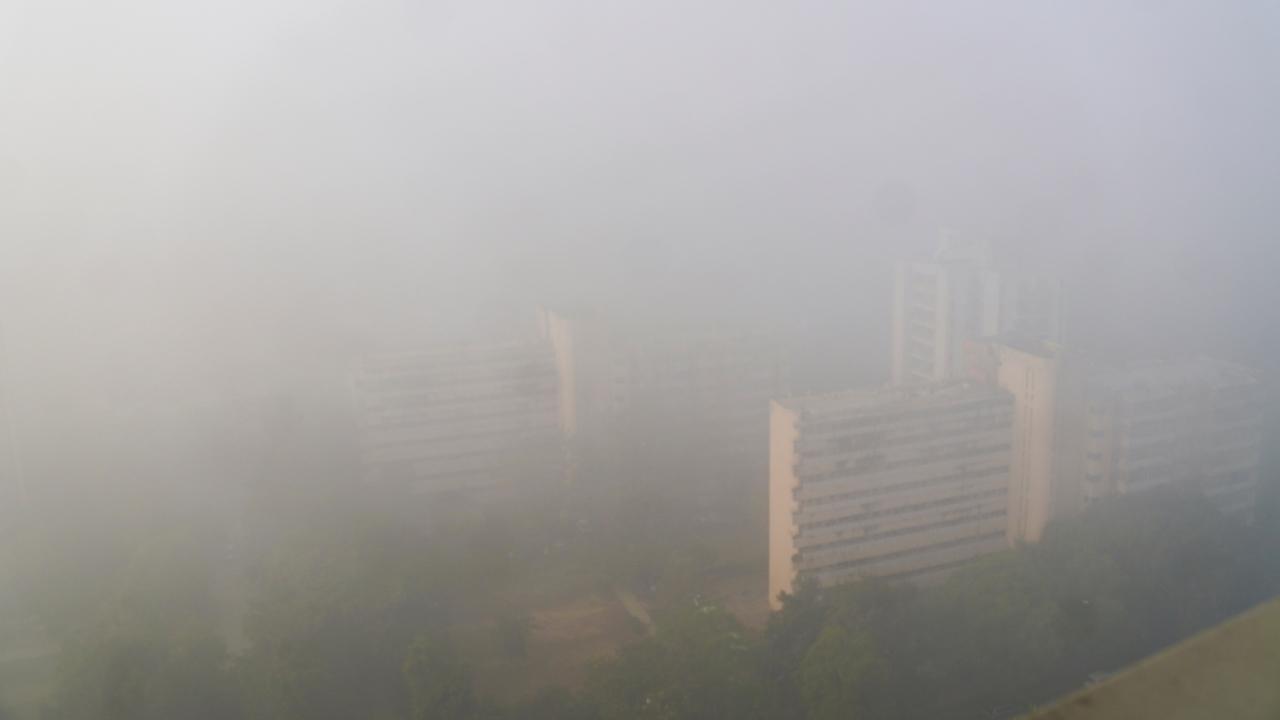
Delhi had witnessed its most polluted day of the winter season on Sunday, when the AQI surged to 461. Pollution levels remained alarmingly high on Monday as well, with the AQI recorded at 427, highlighting the persistent nature of the crisis.
ADVERTISEMENT

5/6
The hazardous air quality has also disrupted air travel. On Monday, poor visibility caused by dense toxic haze led to the cancellation of at least 228 flights at Delhi Airport, including 131 departures and 97 arrivals. In addition, five flights were diverted to other destinations due to unsafe landing conditions.

6/6
As per India’s air quality classification, AQI values between 101 and 200 are considered 'moderate,' 201-300 'poor,' 301-400 'very poor,' and readings above 400 fall under the 'severe' category. The health implications of such pollution levels are grave. The Centre recently informed Parliament that more than two lakh cases of acute respiratory illnesses were reported in six government hospitals in Delhi between 2022 and 2024 amid rising pollution.
ADVERTISEMENT
ADVERTISEMENT
Photo of Day

Nature turns the tide pink
Thousands of flamingos wade through the shallow waters of the Talawe wetlands behind Nerul’s NRI Complex in Navi Mumbai. PIC/SHADAB KHAN
ADVERTISEMENT