Home / News / India News / Photos /
IN PHOTOS: Indus Waters Treaty suspension enables first desilting and gate reopening in Chenab
Updated On: 22 February, 2026 09:31 PM IST | Divya Nair
For the first time since the suspension of the Indus Waters Treaty, desilting operations have gained momentum in the Himalayan rivers covered under the treaty, including in the Chenab river. Dredging has begun in the Chenab River for the first time after the Treaty suspension. A tender has also been floated to disilt and reopen 6 Under Sluice gates which were earlier permanently plugged under the provisions of the Indus Water Treaty. PICS/PTI, TEXT/ANI




1/6
2/6
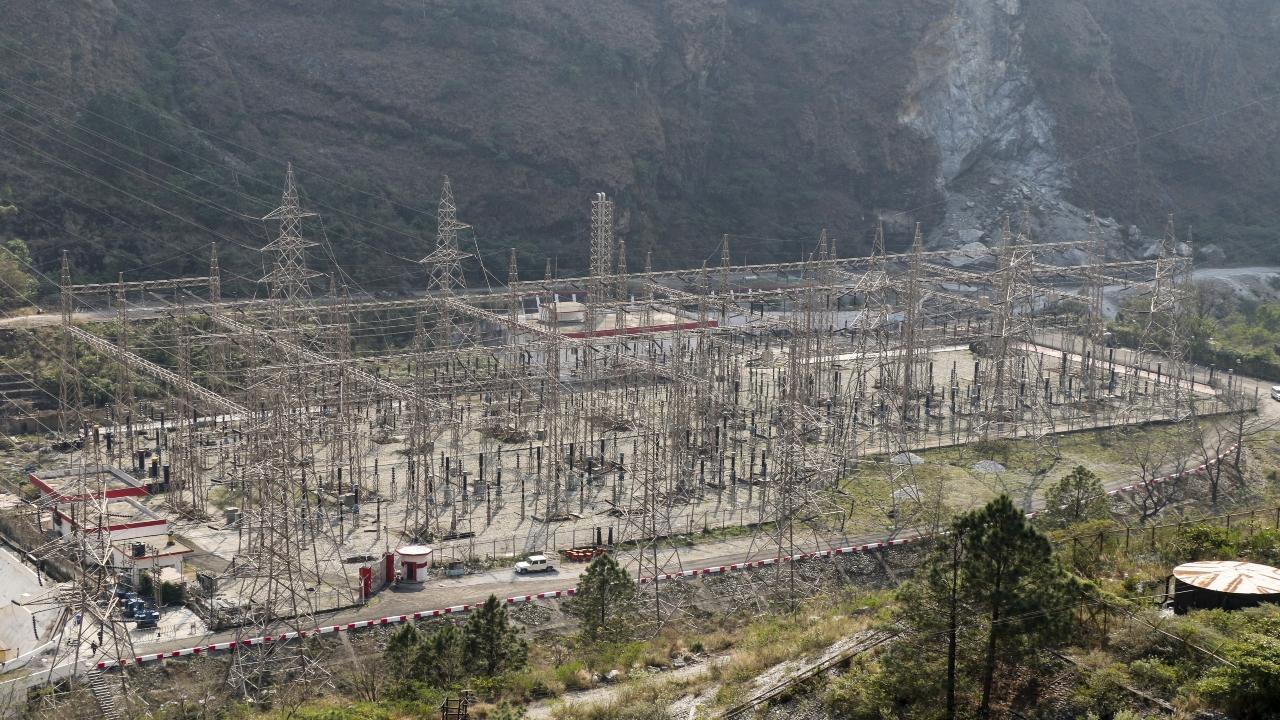
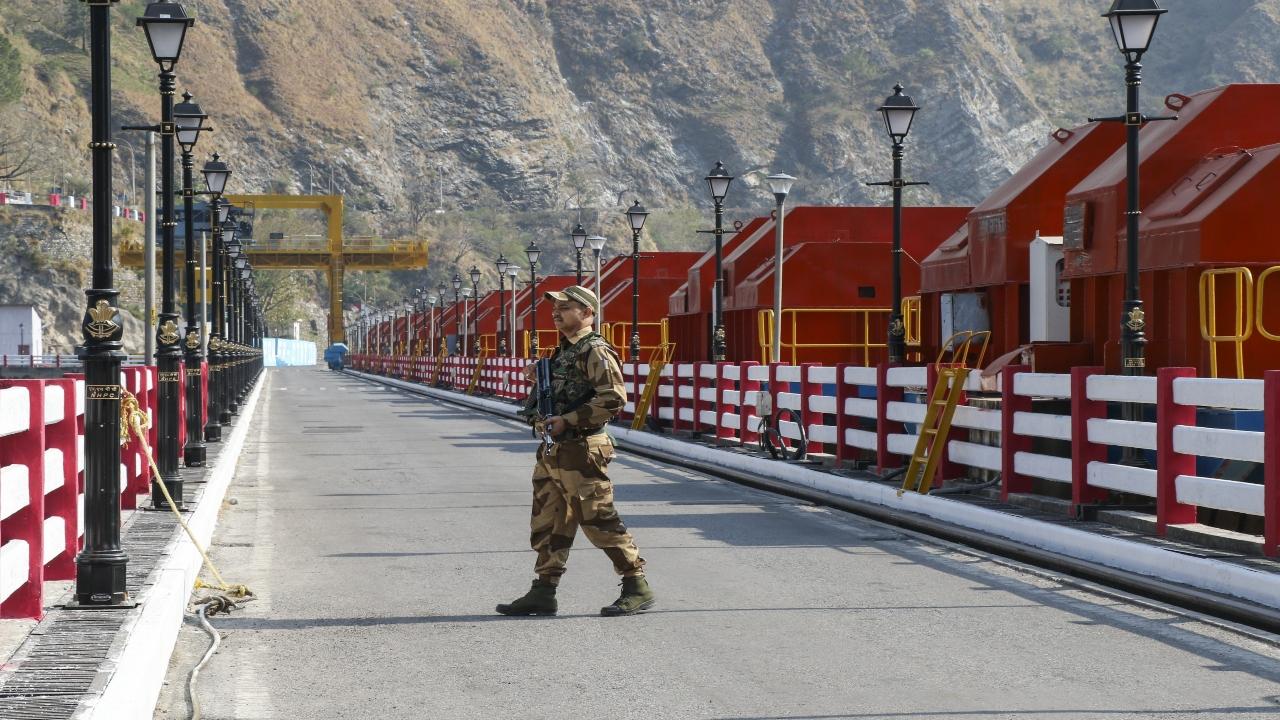
The biggest impact of the treaty's suspension on hydel operational efficiency is visible at the Salal Power Station located in Reasi, Jammu and Kashmir, on the Chenab River
ADVERTISEMENT
3/6
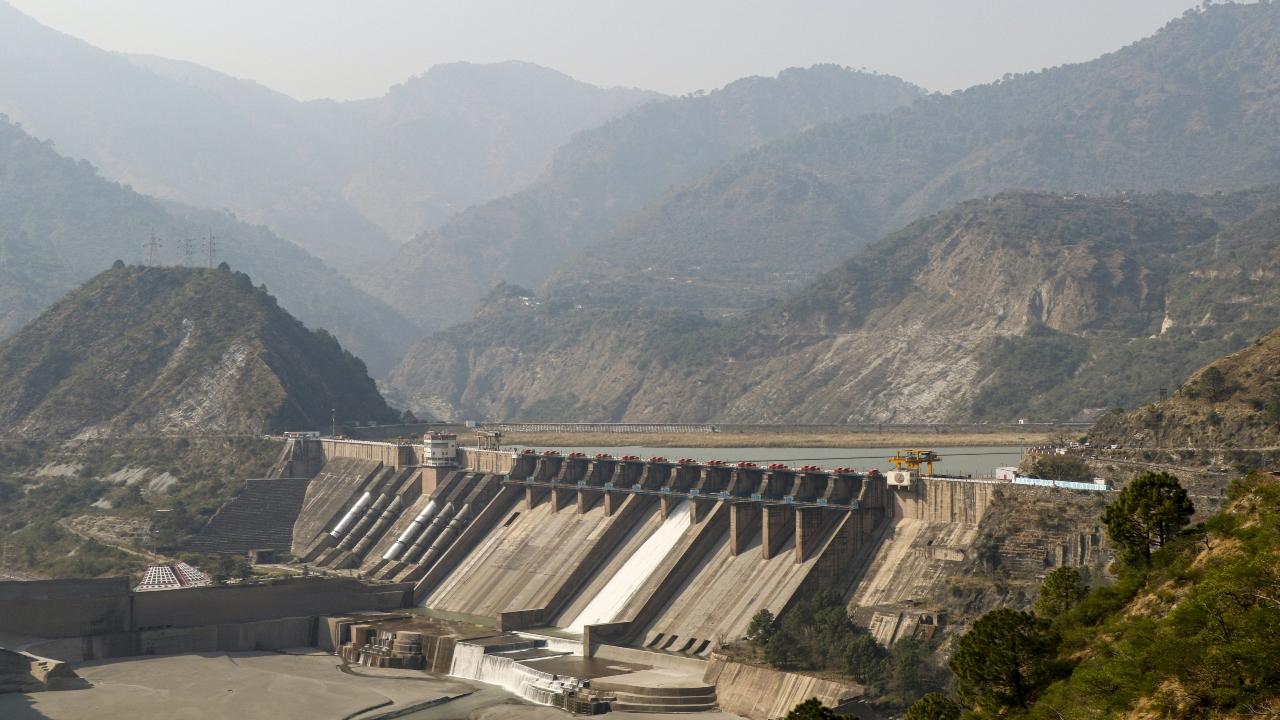
The Salal Concrete Dam was designed with a provision of 06 under-sluice gates for sediment management. But, under the provisions of the Indus Water Treaty signed in 1960 and further an agreement signed in 1978, the 6 Under Sluices were permanently plugged, and operation of the Silt Excluder Gates was prohibited. In the absence of any sediment management facilities, silt started to accumulate in the reservoir since then
4/6
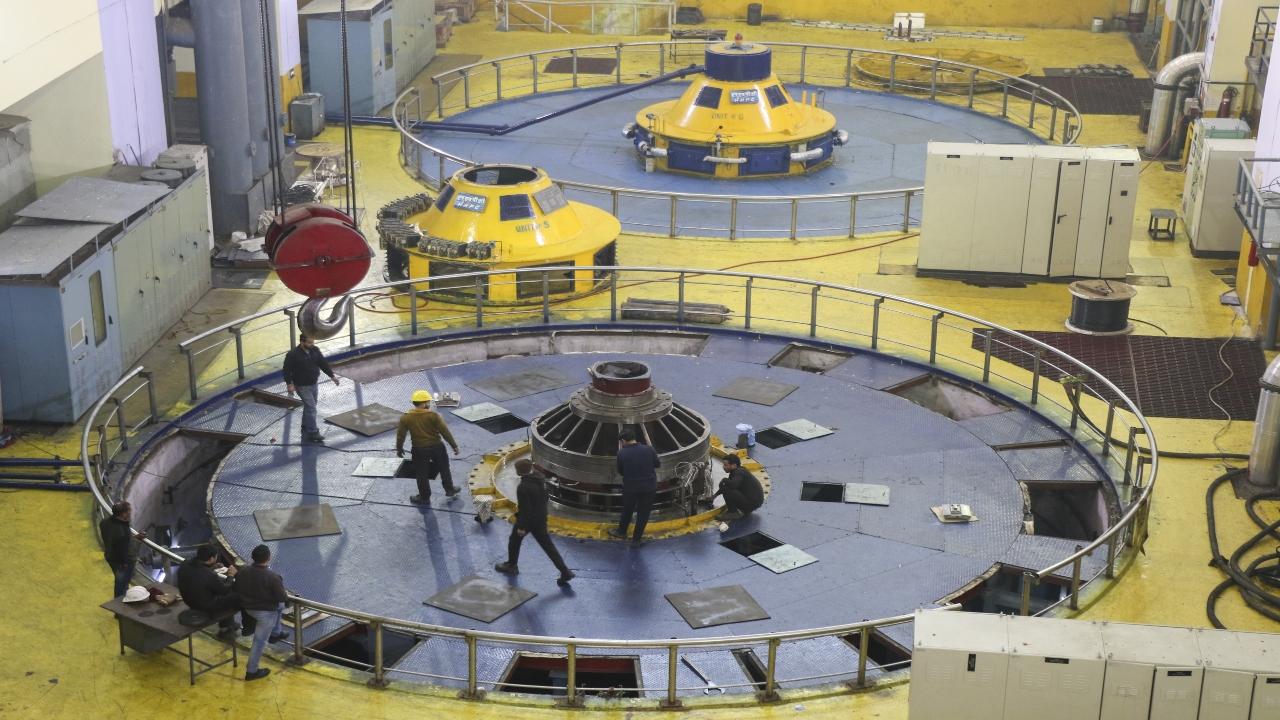
Now efforts are being made to remove the accumulated silt and reopen these gates
ADVERTISEMENT
5/6
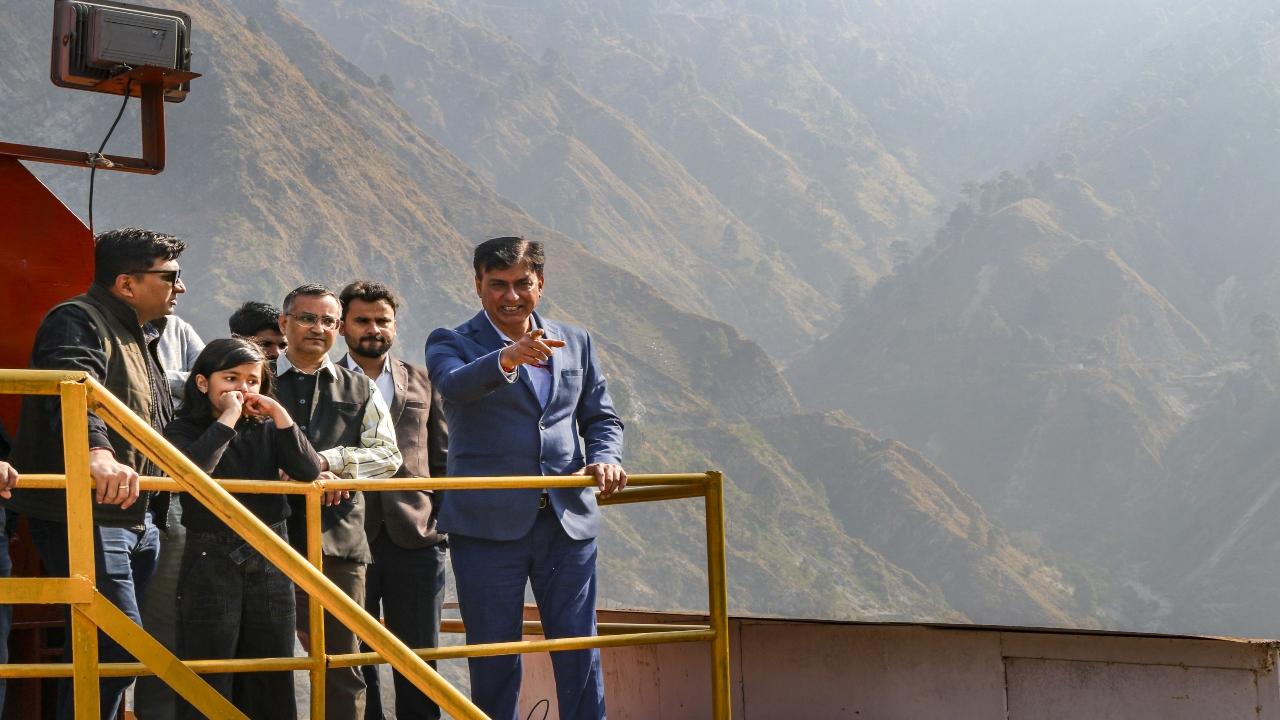
The executive director of Salal Power Station NHPC Limited, Anish Gouraha, visited the power plant on Sunday. "After the suspension of the Indus Water Treaty we are working on an effective sediment management plan to improve the operational efficiency of the power station. Dredging is one of the key activities under the silt management plan. Through this, we aim to remove as much silt as possible to minimise damage. Plans are also being developed to reduce sediment through flushing. Earlier, when the Indus Waters Treaty was in effect, we were not able to carry out all these measures," he said
6/6
A security personnel patrols at the Salal Dam on the Chenab River.
ADVERTISEMENT
ADVERTISEMENT
Photo of Day
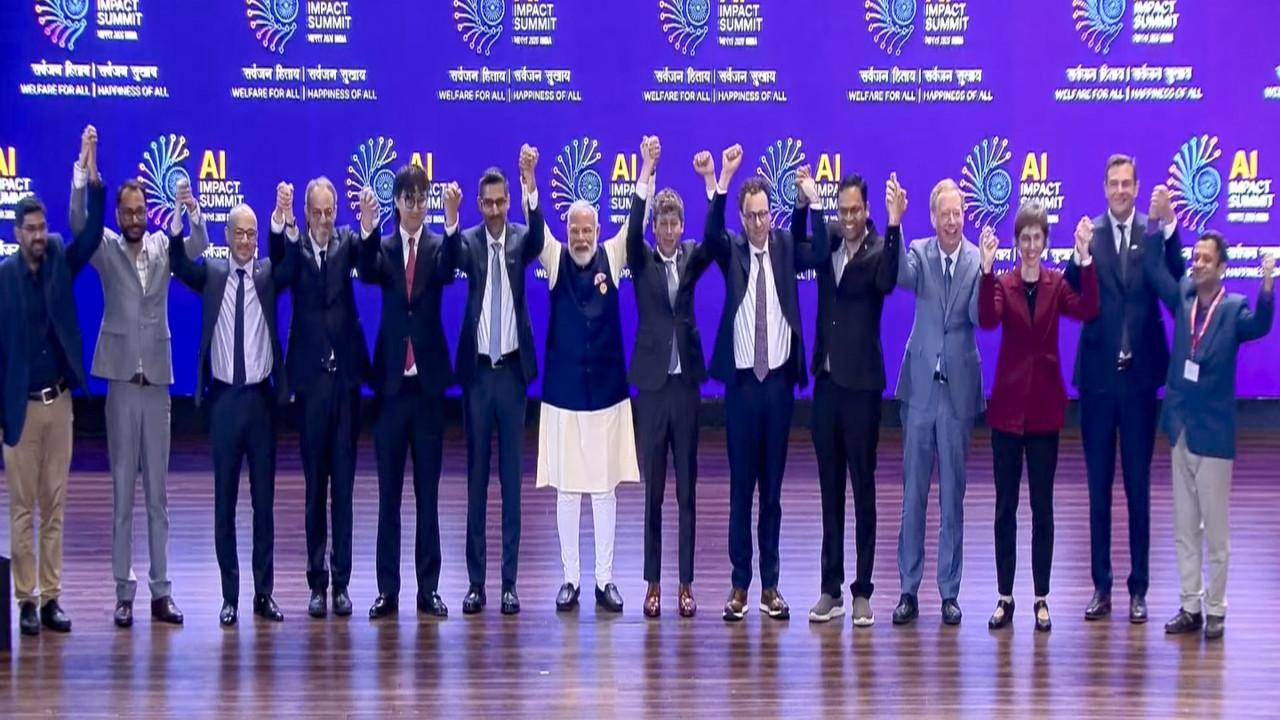
Global AI leaders join PM Modi in a bid to push for a smarter, inclusive future
PM Narendra Modi joins hands with Google CEO Sundar Pichai, OpenAI CEO Sam Altman, and others during the India AI Impact Summit 2026, in New Delhi. PIC/PTI
ADVERTISEMENT