Sabarmati Ashram: Located in Gujarat's Ahmedabad, this ashram was home to Mahatma Gandhi from 1917 to 1930. It was the starting point of the famous Dandi March in 1930
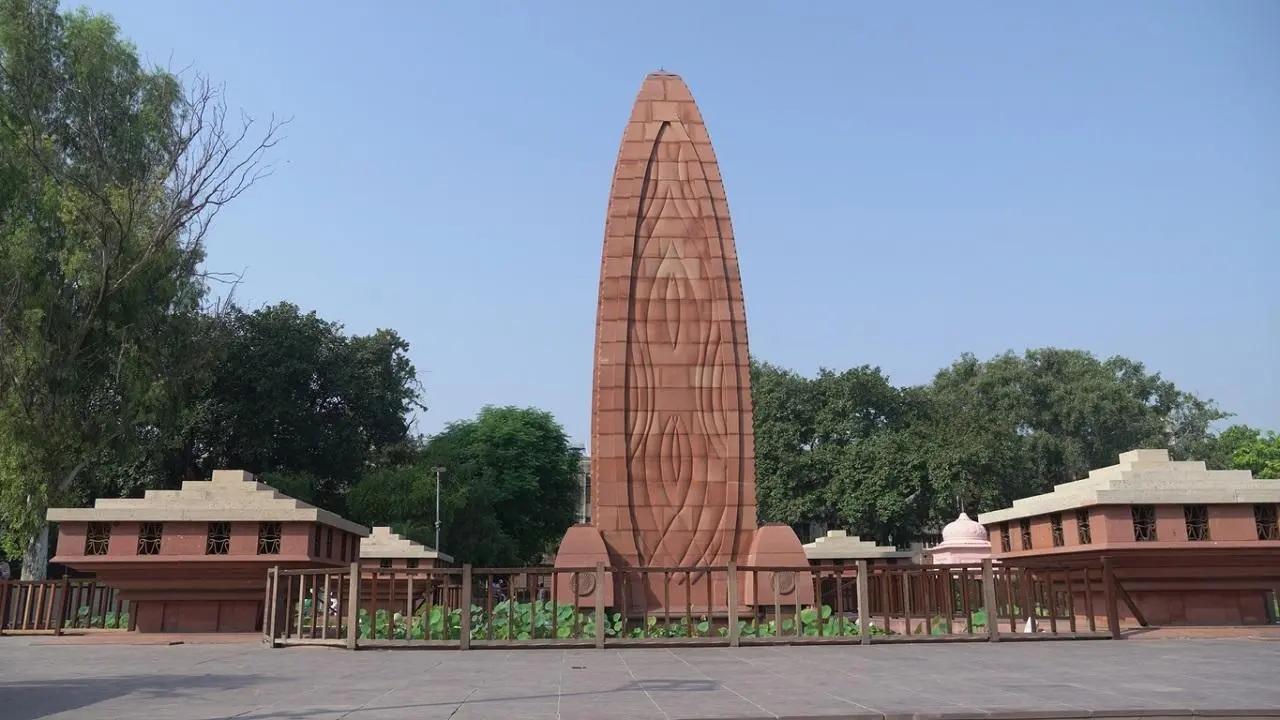
Jallianwala Bagh in Punjab: This public garden in Amritsar witnessed one of the darkest chapters in India’s history. On 13 April 1919, British troops under General Dyer opened fire on thousands of unarmed people, killing hundreds. The site is now a national memorial. File Pic/iStock
Cellular Jail in Andaman and Nicobar Islands: Also known as Kala Pani, this jail was used by the British to exile Indian political prisoners. Freedom fighters like Veer Savarkar were held here in solitary confinement. The jail is now a museum and a symbol of India’s fight for justice. Pic/X/MyGov
Red Fort in Delhi: On 15 August 1947, Pandit Jawaharlal Nehru raised the Indian flag at the Red Fort and delivered the famous “Tryst with Destiny” speech. Since then, it has become the central point for Independence Day celebrations. Pic/iStock
August Kranti Maidan in Mumbai: This ground in Mumbai was where the Quit India Movement was launched on 8 August 1942 by the Indian National Congress. The call for “Do or Die” was given here by Mahatma Gandhi, urging the British to leave India. File Pic
Alipore Jail in West Bengal: Located in Kolkata, the Alipore Jail (now converted into a museum) was where many Indian revolutionaries were imprisoned during the British Raj. File Pic/IANS

ADVERTISEMENT