Home / News / World News / Photos /
In Photos: Israel begins daily pause in fighting in 3 Gaza areas to allow 'minimal' aid
Updated On: 28 July, 2025 11:16 AM IST | ronak mastakar
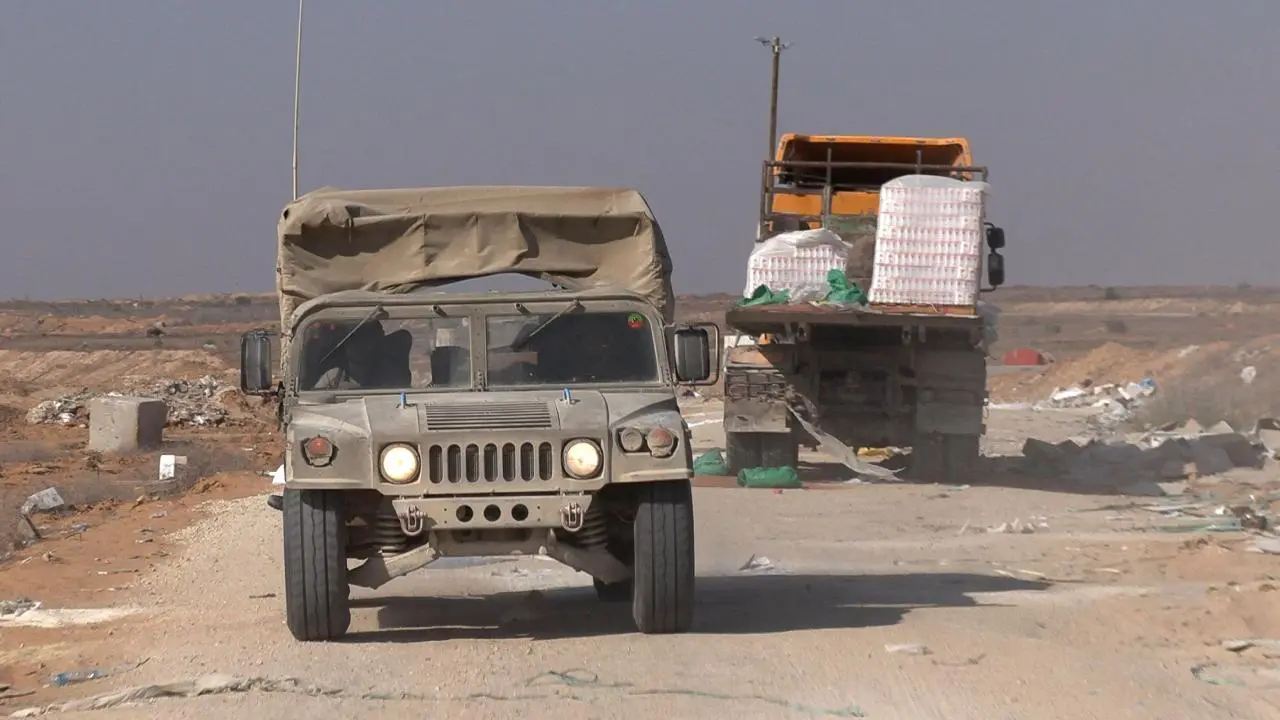
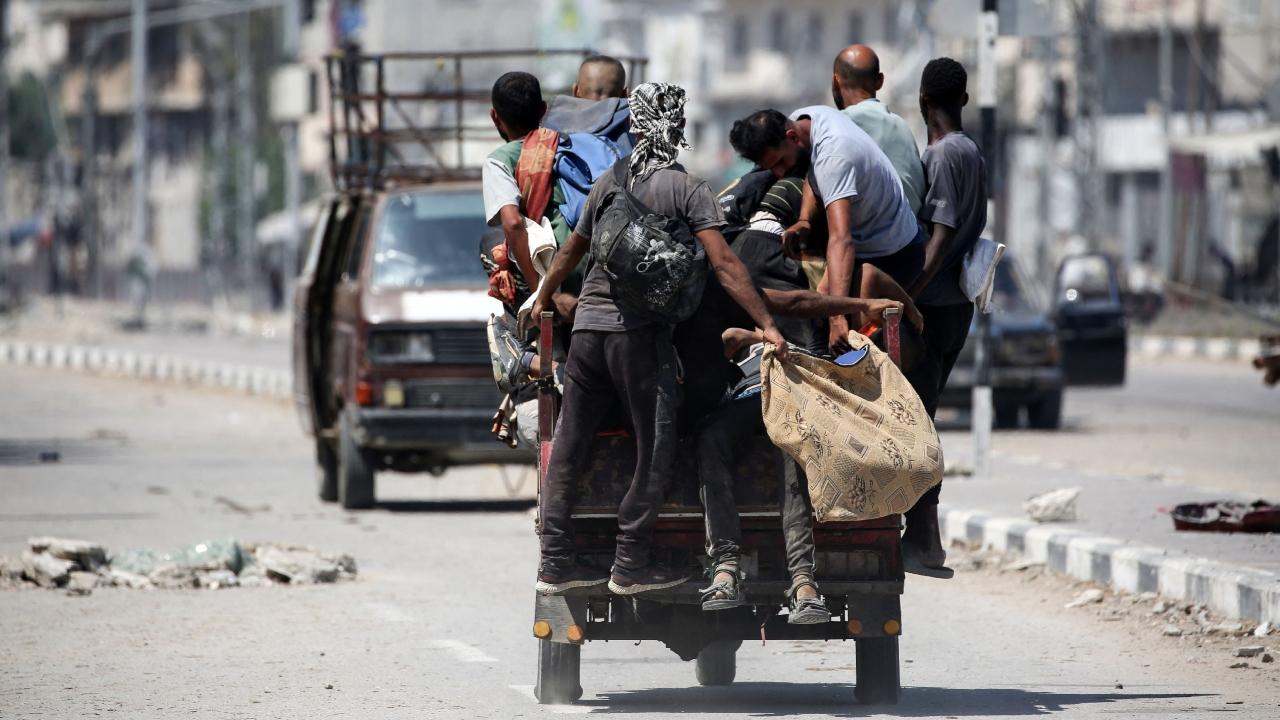
The Israeli military Sunday began limited pauses in fighting in three populated areas of Gaza for 10 hours a day, part of measures including airdrops as concerns grow over surging hunger and as Israel faces criticism over its conduct in the 21-month war. (Pics/AFP)



1/10
2/10
The military said the "tactical pause" from 10 am to 8 pm in Gaza City, Deir al-Balah and Muwasi, all with large populations, would increase humanitarian aid entering the territory
ADVERTISEMENT
3/10
United Nations humanitarian chief Tom Fletcher welcomed Israel's decision to support a "one-week scale-up of aid" and said "some movement restrictions appear to have been eased." But he said action needs to be sustained, vast and fast
4/10
"Whichever path we choose, we will have to continue to allow the entry of minimal humanitarian supplies," Israeli Prime Minister Benjamin Netanyahu said
ADVERTISEMENT
5/10
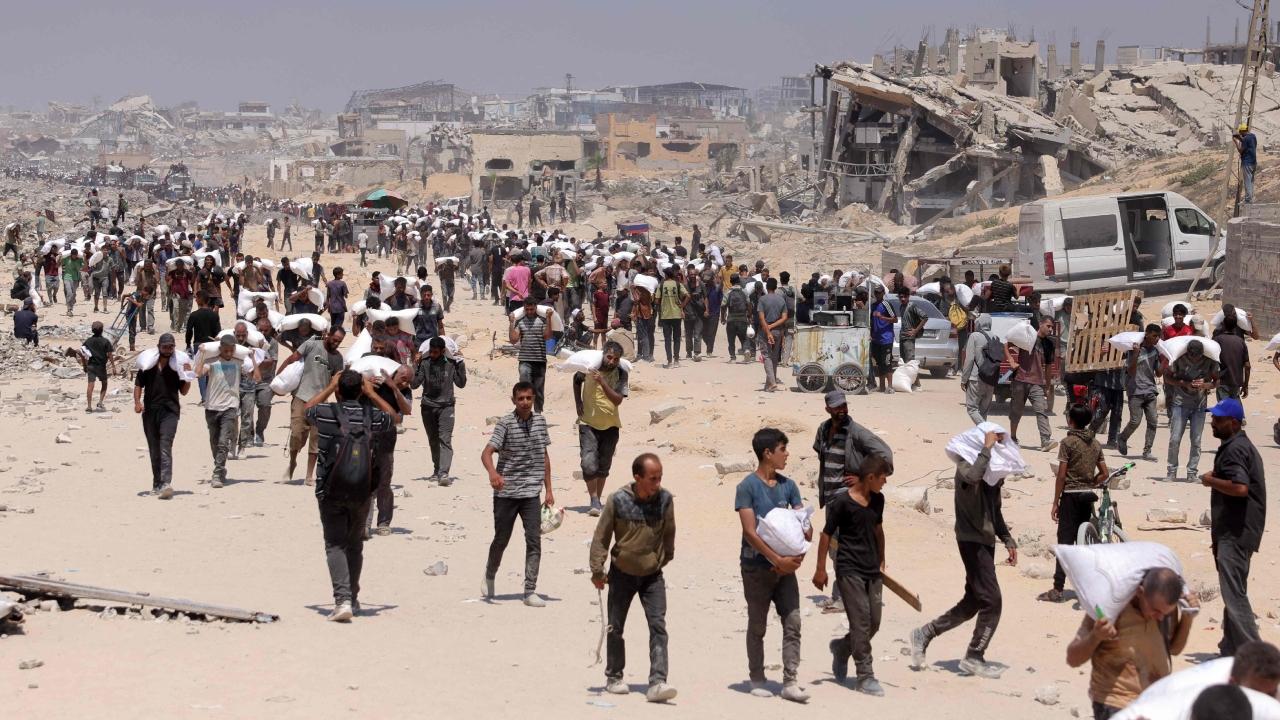
Images of emaciated children have fanned criticism of Israel, including by allies who call for the war's end. Israel has restricted aid to Gaza's population of over 2 million because it says Hamas siphons it off to bolster its rule, without providing evidence. Much of the population, squeezed into ever-smaller patches of land, now relies on aid
6/10
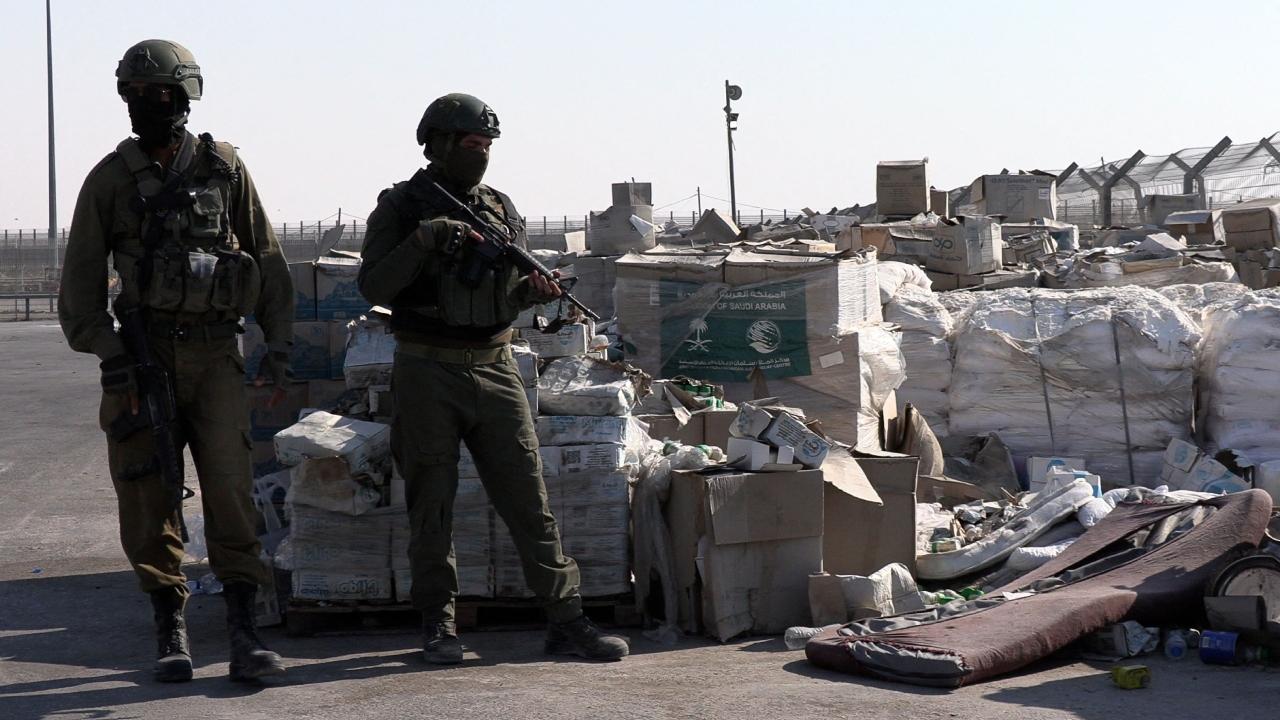
As the military had warned, combat operations continued otherwise. Health officials in Gaza said Israeli strikes killed at least 41 Palestinians from late Saturday into Sunday, including 26 seeking aid
ADVERTISEMENT
7/10
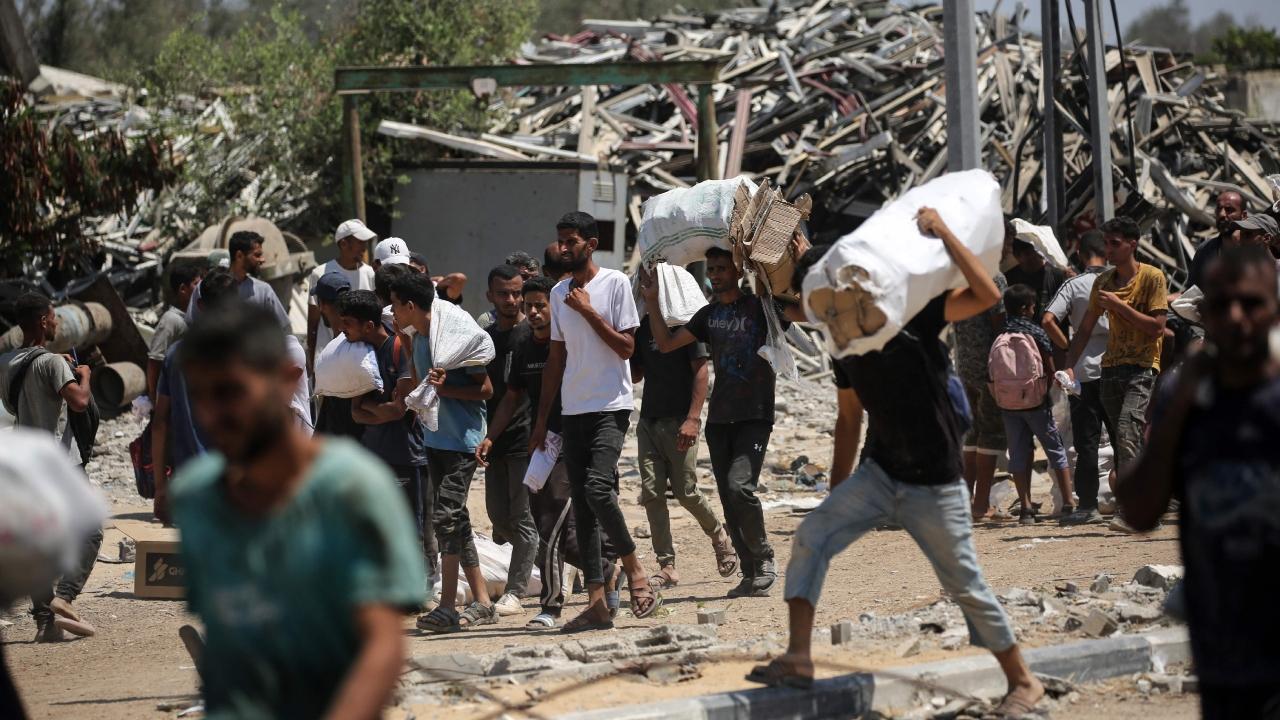
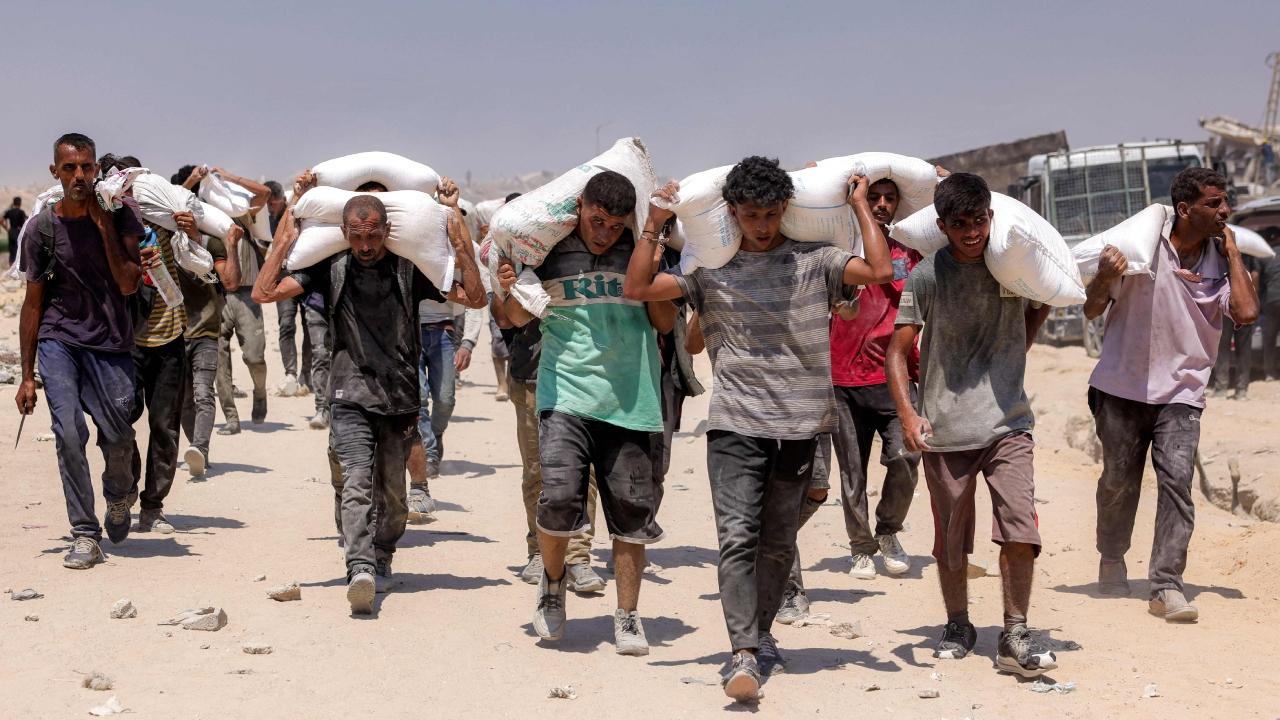
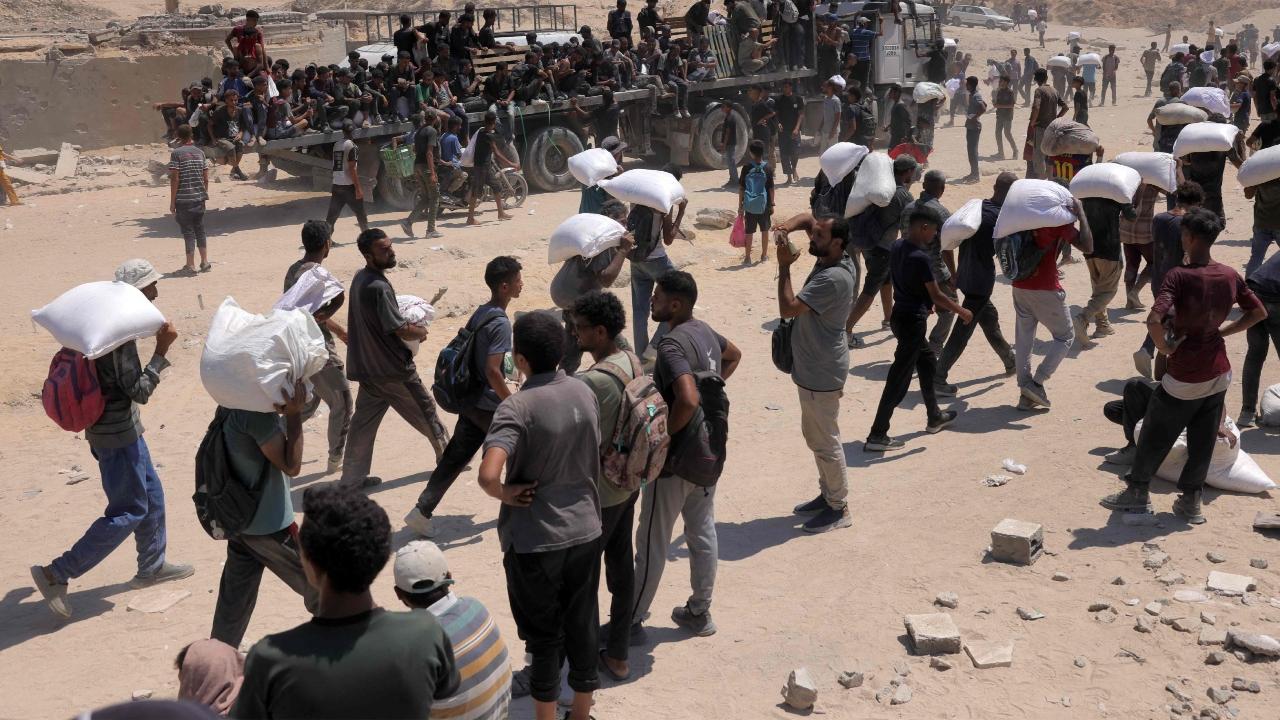
"I came to get flour for my children because they have not tasted flour for more than a week, and thank God, God provided me with a kilo of rice with difficulty," said Sabreen Hassona, as other Palestinians trudged along a dusty road carrying sacks of food from the Zikim crossing
8/10
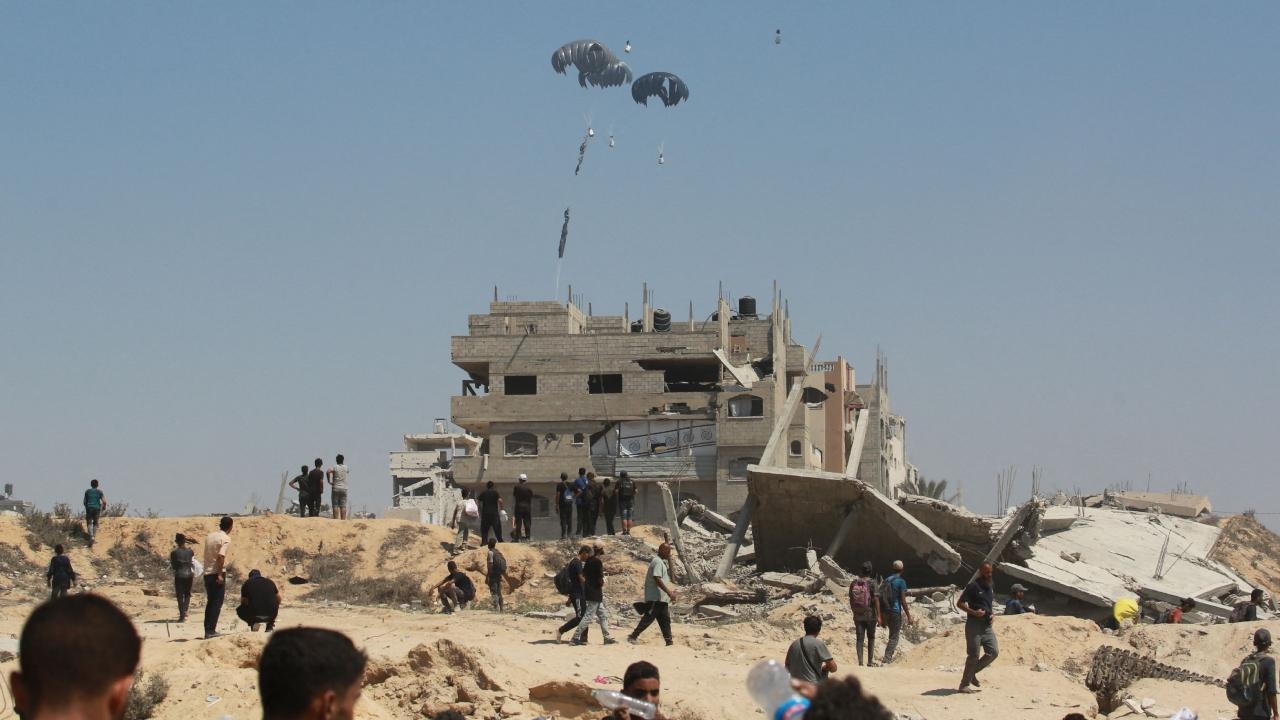
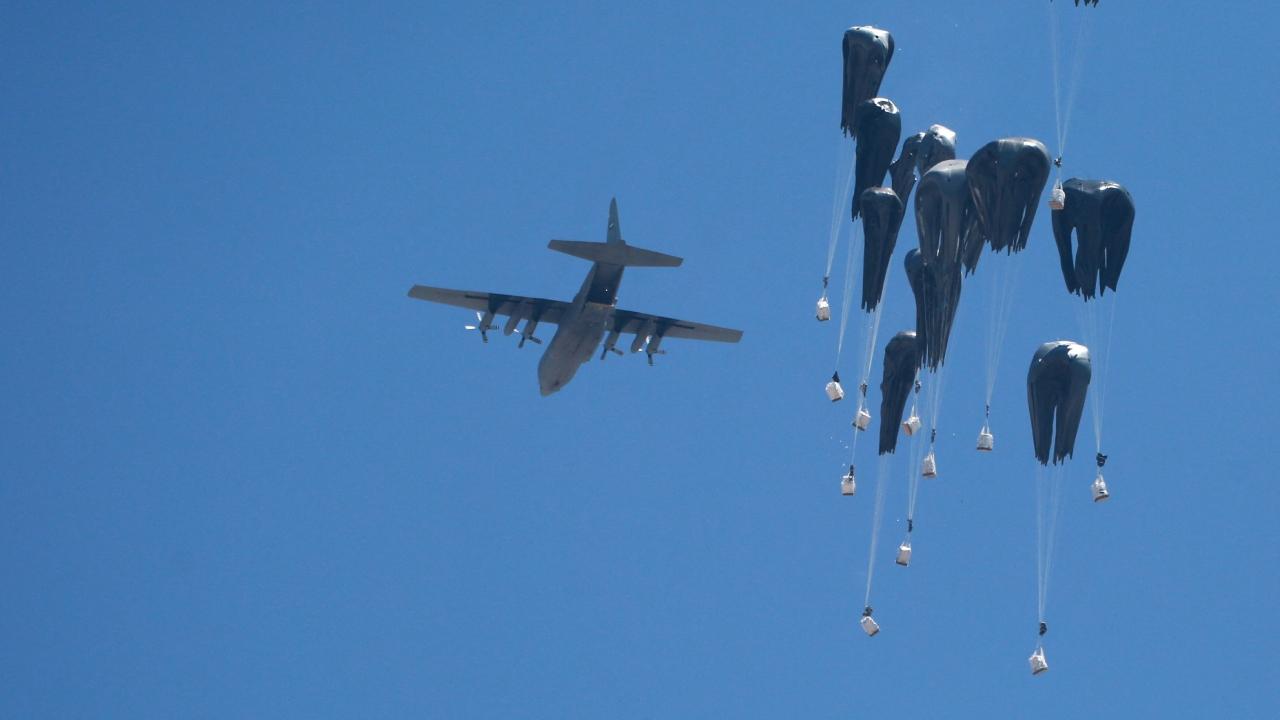
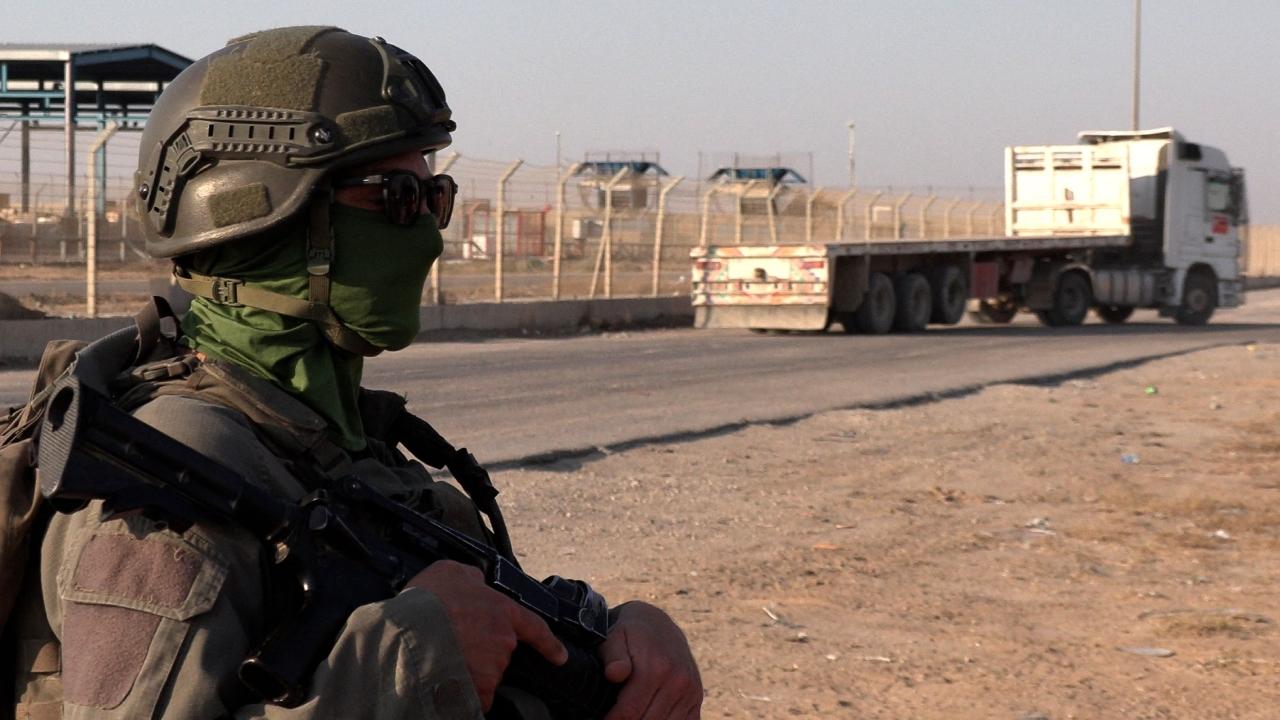
But aid came slowly for others, if at all. "We saw the planes, but we didn't see what they dropped," Samira Yahya said in Zawaida in central Gaza. "They said trucks would pass, but we didn't see the trucks"
ADVERTISEMENT
9/10
Some people feared going out and having a box of aid fall on their children, Ahmed al-Sumairi said
10/10
Israel's military said 28 aid packages containing food were airdropped, and said it would put in place secure routes for aid delivery. It said the steps were made in coordination with the UN and other humanitarian groups
ADVERTISEMENT
ADVERTISEMENT
Photo of Day

Cutting corners
A man sits down for a haircut at a makeshift roadside barbershop in Deonar. PIC/SAYYED SAMEER ABEDI
ADVERTISEMENT