
A comedy hitting theatres this week about a Nigerian man’s experiences in Delhi, probes Indian society’s deep-rooted colourism while shining a light on India and Africa’s shared histories
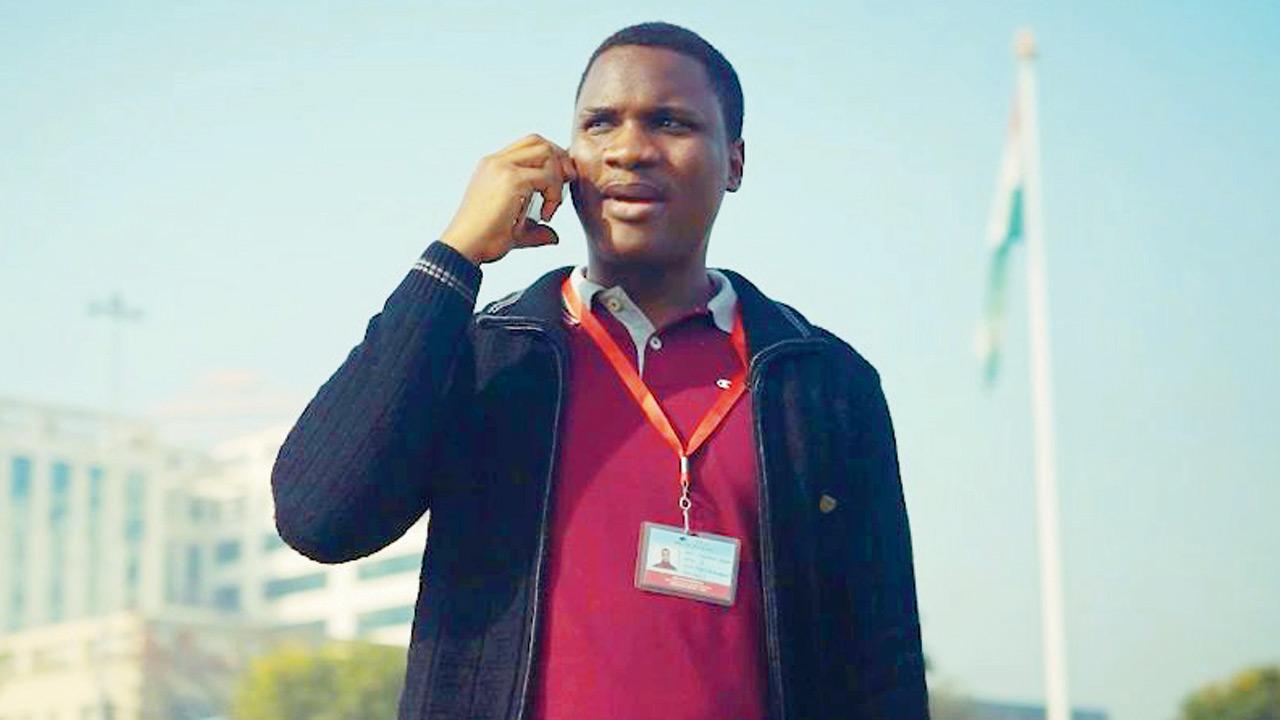
Dibakar Das Roy says Dilli Dark combines a cartoony, satirical world with a spiritual, magic real space
The image of the outsider is best portrayed by the figure of an African man in Delhi,” filmmaker Dibakar Das Roy tells us, as his debut feature Dilli Dark, about a Nigerian man’s experiences in the capital, gears for theatrical release on May 30.
For the director, the drive to centre his satire about colourism and racial discrimination in Indian society on an African protagonist was as political as it was personal. There were the news reports of vicious attacks on the African community, but there were also Das Roy’s own personal struggles with fitting in when he was first sent to boarding school in the north after his early years in Kolkata. “The average guy there wasn’t as dark as me,” recalls the filmmaker who says that those experiences made him approach Dilli Dark’s story from “a subliminal angle”.

Dibakar Das Roy
The bullying took the form of jokes which Das Roy discovered was reflective of society at large. “A lot of my closest friends did call me the N word which became a term of endearment,” he says, sharing that during Q&As after screenings of his film at festivals, “the African audience would be surprised when I told them that I’ve probably been called the N word a lot more than they have. It might not have the same historical context, but there’s a certain amount of hate that is packaged in it.”
Touring with the film at American festivals like the African Film Festival in New York and the Seattle Black Film Festival brought the filmmaker closer to a sense of solidarity and a shared experience of race between the South Asian and Black communities. Acclaimed Black filmmaker, actor and comedian Jordan Peele’s association with the Dev Patel-directed Monkey Man, Das Roy says, is indicative of this.
For his own film, Das Roy, however, knew that he wanted to approach the subject through the lens of comedy, a decision that stemmed both from an acceptance of the way Indian society operates and also a refusal to alienate people, leaning rather into the genre’s ability to gently provoke. “I couldn’t for the life of me make this into a serious film because I know these things are not going to change. It’s more of a defence mechanism, a way of asking people to just look at things the way they are and hoping that something clicks,” says the director.
Dilli Dark, which shines a light on aspects of shared Indo-African history [Queen Razia Sultan’s supposed lover was African], melds “a cartoony, satirical world with a slightly spiritual, magic real space,” opines the director, the tonal variety reminiscent of Delhi itself, which he feels holds “deep meaning” beneath its energy and bluster. While the film’s historical sections were shot in Mehrauli, depicting the area as it could have looked a few hundred years ago, much of Dilli Dark, unlike most Bollywood films showing stately Lutyens or central Delhi, is shot in Pandavnagar “which has small apartments stuck together, trash left out on the road and badly designed hoardings. The sound design is done in a way where there is constant drilling, construction work and yelling. It’s not pretty.”
Das Roy, who has a background in advertising, believes that the clean aesthetic so rife in mainstream filmmaking has come from advertising. “For a film like ours, which is basically looking at the idea of beauty, it would be a disservice to make something that was artificial and made up. So a lot of the comedy in the film is crude. It’s about the crudeness of society, and it’s about laughing at that crudeness, and also laughing at ourselves.”
Has the average Indian’s perceptions about race changed at all in recent years with successful international films [Sinners, The Black Panther franchise] celebrating African culture? Das Roy feels the IPL has been more influential. “Cricket has come a long way from the time when we only saw West Indies touring India to now when Black players like Chris Gayle are very loved. They’re part of teams we root for, they play for us. They’re in our ads, they are part of our content, they crack the same jokes as our players. That has helped a lot.”
 Subscribe today by clicking the link and stay updated with the latest news!" Click here!