


The findings challenge the perception that programming is a niche skill
PIC/NCSU
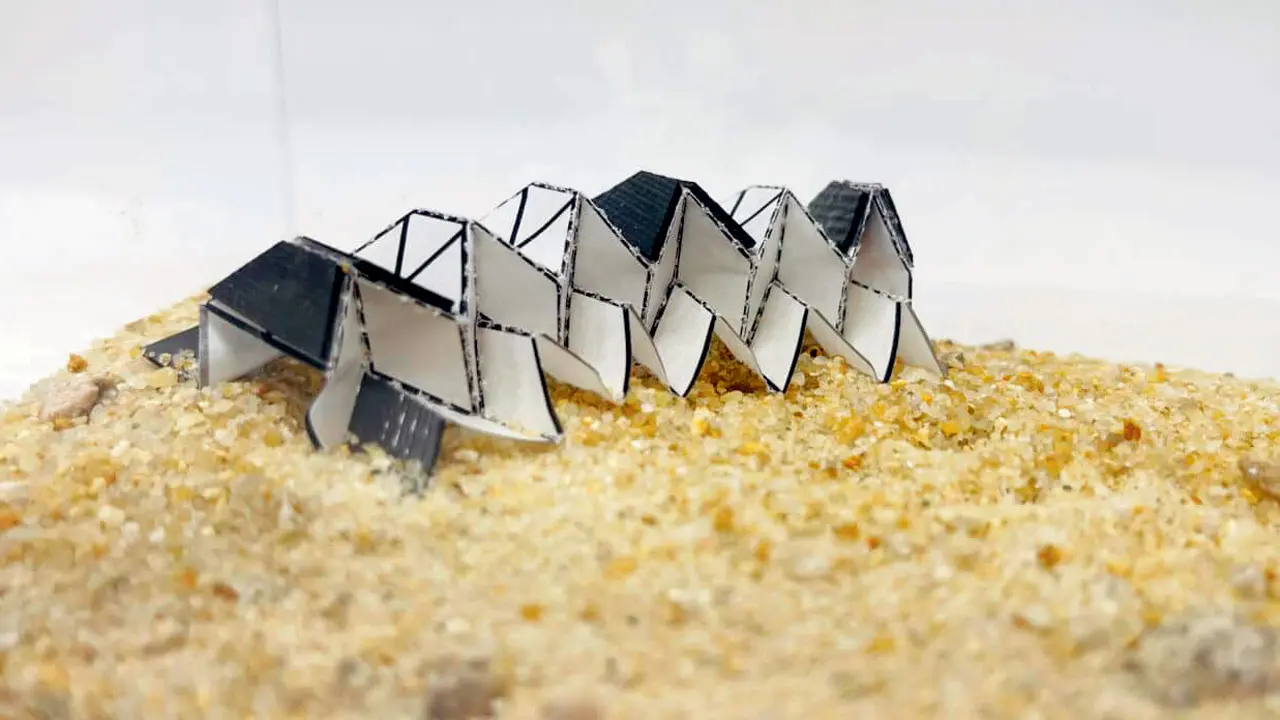
Magnetic origami robots could transform drug delivery
Researchers have developed a new 3D-printing method to create ultra-thin magnetic films that bring origami-based soft robots to life using external magnetic fields. One robot uses a folding pattern called Miura-Ori, which allows a flat surface to compress into a compact shape and then expand again. This makes it ideal for medical use inside the body, where it can be swallowed in a small form and later unfold to deliver drugs directly to internal ulcers.
Pic/IStock
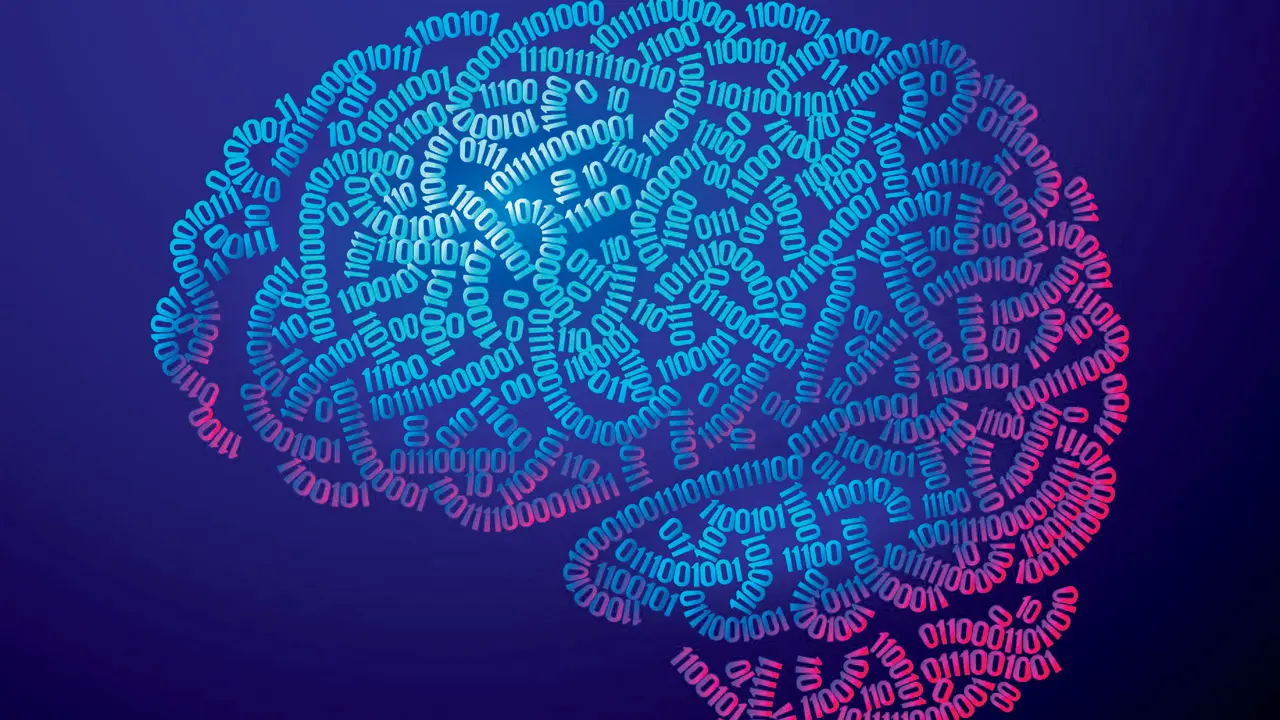
Brains already wired for coding, study finds
New research from Johns Hopkins University reveals that the human brain may already be wired to understand computer programming, even before formal training. Using brain scans, researchers observed university students before and after a semester-long introductory Python course. After learning to code, students showed activity in brain areas linked to logic, with specific neuron patterns reflecting the meaning of code. Surprisingly, those same neurons were also fired before the course, when students read descriptions of code in plain English. This suggests that the brain repurposes existing logic-processing areas for programming. The findings challenge the perception that programming is a niche skill.
 Subscribe today by clicking the link and stay updated with the latest news!" Click here!