Home / News / World News / Article /
China extracts rare earth minerals from living plant
Updated On: 13 November, 2025 08:42 AM IST | Beijing | Agencies
Monazite is a phosphate mineral rich in REEs such as cerium, lanthanum, and neodymium. These elements are critical for modern technology. The mineral itself is highly valued for its mechanical, physical, and thermal properties





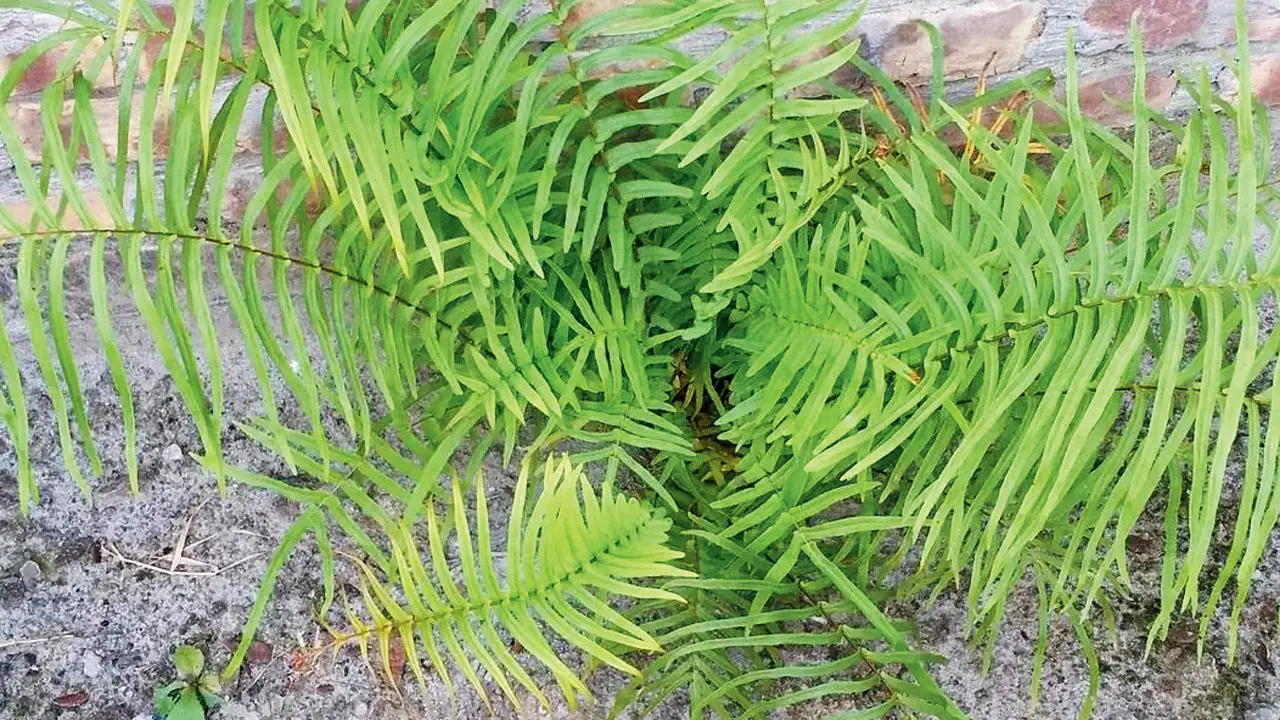
This new method uses ‘hyperaccumulator’ plants to draw metals out of the soil. REPRESENTATION PIC/GETTY IMAGES
A Chinese-led team of scientists has made a world-first discovery, identifying a naturally formed mineral containing rare earth elements (REEs) inside a living plant. The researchers found nanoscale monazite, a valuable mineral, crystallised within the tissues of an evergreen fern named Blechnum orientale.
Monazite is a phosphate mineral rich in REEs such as cerium, lanthanum, and neodymium. These elements are critical for modern technology. The mineral itself is highly valued for its mechanical, physical, and thermal properties. It has a high melting point and offers resistance to corrosion and radiation damage, making it suitable for applications in coatings, lasers, light emitters, ionic conductors, and radioactive waste management.
Trending Stories
Latest Photos
Latest Videos
Latest Web Stories
ADVERTISEMENT
Mid-Day Fast
ADVERTISEMENT