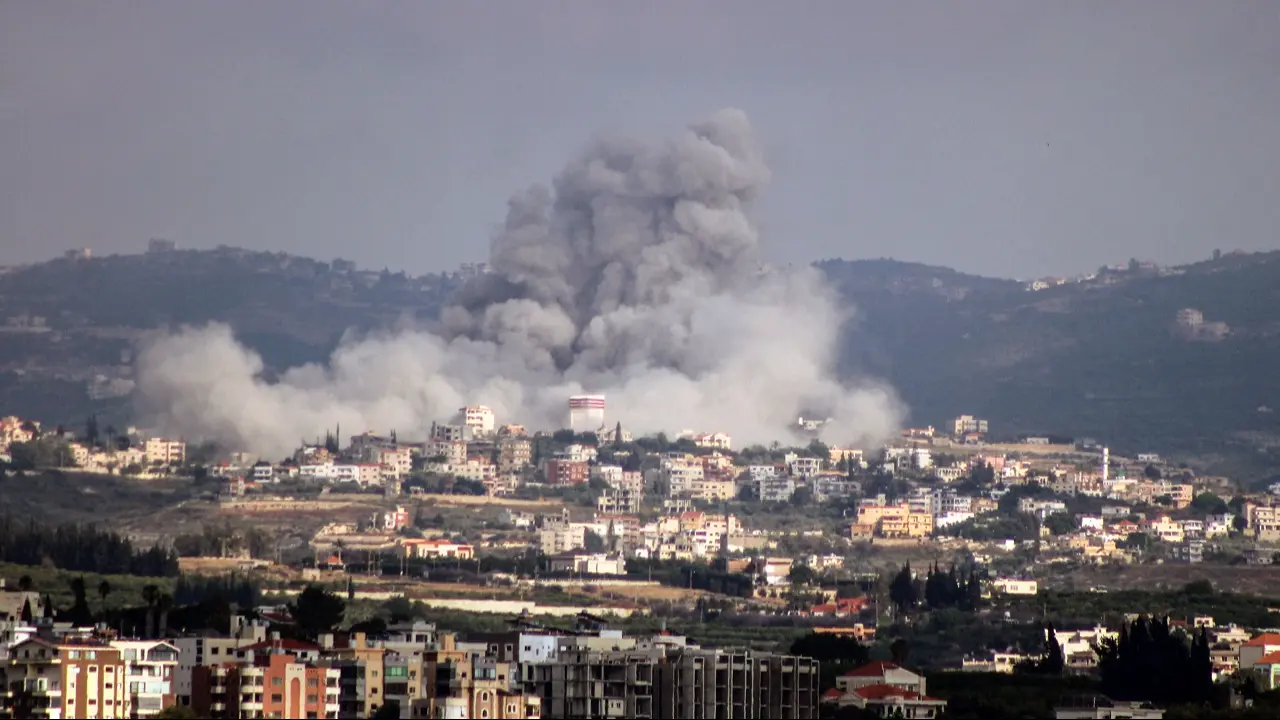
Iran vows retaliation after US 'self-defence strikes' near Strait of Hormuz

27 May,2026 10:32 AM IST |  Tehran  |  mid-day online correspondent

The escalation has added fresh uncertainty to an already fragile ceasefire between the United States and Iran, raising concerns over regional stability and global energy supplies

Pic/AFP


Your browser doesn’t support HTML5 audio

Iran's Islamic Revolutionary Guard Corps (IRGC) has warned of a "strong and crushing response" following US military strikes targeting Iranian missile launch sites and mine-laying boats near the strategically significant Strait of Hormuz.

The escalation has added fresh uncertainty to an already fragile ceasefire between the United States and Iran, raising concerns over regional stability and global energy supplies.

IRGC claims control over Strait of Hormuz

In a statement released through Sepah News, the official media outlet of the Islamic Revolutionary Guard Corps, the IRGC Navy said it continues to maintain "intelligent control" over the Strait of Hormuz.

According to the statement, 25 vessels, including oil tankers, container ships and commercial cargo vessels, safely passed through the waterway over the past 24 hours under Iranian coordination and security supervision.

The IRGC said ships were allowed passage after obtaining authorisation from Iranian authorities, underscoring Tehran's tightening grip on one of the world's most important oil transit routes.

The statement also warned that any further "act of aggression" against Iran would trigger a decisive response.

US says strikes were carried out in self-defence

The latest tensions followed military operations conducted by the United States Central Command on Monday in southern Iran.

CENTCOM spokesperson Tim Hawkins said American forces targeted missile launch sites and Iranian boats allegedly attempting to place naval mines in the region.

"US forces conducted self-defence strikes in southern Iran today to protect our troops from threats posed by Iranian forces," Hawkins said in an official statement.

He added that the United States would continue defending its personnel while exercising restraint during the ongoing ceasefire period.

Ceasefire under renewed pressure

The strikes have increased pressure on the ceasefire that came into effect on April 8, amid ongoing diplomatic efforts between Washington and Tehran to end months of military confrontation.

The conflict has already caused major disruptions to global energy markets and shipping routes, with the Strait of Hormuz remaining a focal point of geopolitical tensions. A significant portion of the world's oil exports pass through the narrow waterway linking the Persian Gulf to international markets.

Analysts fear that any prolonged disruption in the region could further affect crude oil prices and international shipping operations.

Iran and US continue competing naval restrictions

Iran has steadily tightened restrictions in the Strait of Hormuz since February 28, when it barred vessels linked to or affiliated with Israel and the United States following joint military strikes on Iranian territory.

At the same time, the United States has maintained a naval blockade targeting Iranian ports and commercial shipping operations.

Last week, CENTCOM claimed that its naval operations had redirected nearly 100 vessels and disabled four others linked to Iranian activities.

Iran, however, has continued to assert its authority over the strait and insists that maritime traffic remains operational under its supervision.

Strait of Hormuz remains key global flashpoint

The Strait of Hormuz remains one of the most strategically sensitive maritime routes in the world, carrying a major share of global oil and gas shipments. Any military escalation in the region is closely watched by governments and energy markets worldwide.

The latest exchange between Iran and the United States signals growing volatility in the Gulf region despite ongoing diplomatic efforts to prevent a broader conflict.

Both sides have continued to accuse each other of escalating tensions, while international observers remain concerned about the potential impact on regional security and global trade.

(With inputs from IANS)

"Exciting news! Mid-day is now on WhatsApp Channels Subscribe today by clicking the link and stay updated with the latest news!" Click here!
united states of america iran USA world news International news
Related Stories