shot-button
Home > Buzz > Different Types of Botox Treatments A Dermatologists Guide

Different Types of Botox Treatments: A Dermatologist’s Guide

Updated on: 02 February,2026 01:37 PM IST  |  Mumbai
Buzz | faizan.farooqui@mid-day.com

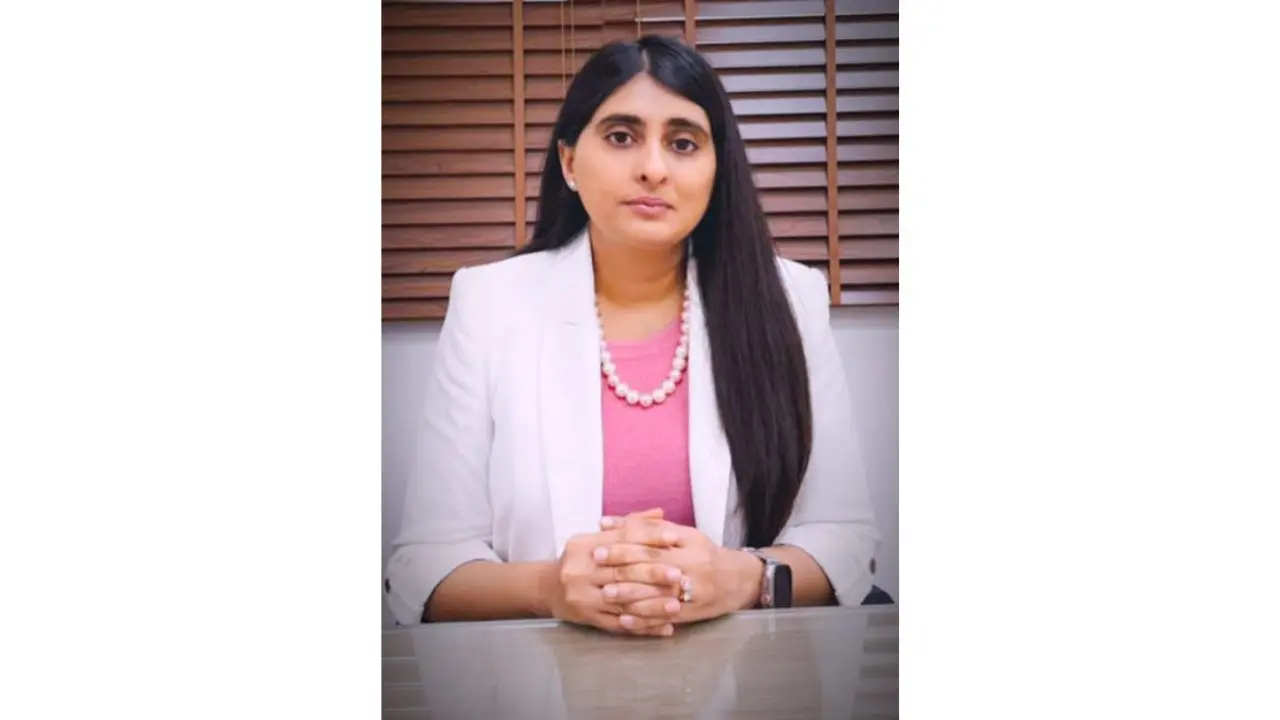
Dr. Nirupama Parwanda, MD Dermatology Explains Why Expertise and Anatomy Matter in Safe Botox Outcomes

Different Types of Botox Treatments: A Dermatologist’s Guide

Botox treatment types

Introduction: Botox Beyond Wrinkle Reduction
Botox has become one of the most widely performed non-surgical aesthetic treatments globally. However, despite its popularity, there is still significant confusion among patients about the different types of Botox treatments, their indications, safety, and outcomes.

As a practicing dermatologist with years of experience in aesthetic and medical dermatology, I believe patient education is essential. Botox, when administered by a qualified dermatologist, is a safe, evidence-based treatment that can address not only facial aging but also several medical conditions.

This article provides a comprehensive, medically accurate, and patient-focused overview of the various Botox treatments available today.


What Is Botox? (Medical Overview)

Botox is a purified form of botulinum toxin type A, a neuromodulator that temporarily blocks nerve signals to targeted muscles or glands. In dermatology, Botox is used in precise, controlled doses to:

  • Relax overactive facial muscles
  • Reduce dynamic wrinkles
  • Modulate sweat gland activity
  • Treat muscle-related pain and disorders

When used correctly, Botox does not paralyze the face. Instead, it softens excessive muscle activity while maintaining natural expression.

Types of Botox Treatments in Aesthetic Dermatology

1. Botox for Forehead Wrinkles

Forehead lines are horizontal wrinkles caused by repetitive eyebrow movement and aging skin.

Treatment approach:
 Botox is injected into the frontalis muscle to reduce muscle overactivity without affecting brow position.

Best suited for:

  • Mild to moderate forehead lines
  • Preventive anti-aging treatment

Results:

  • Smoother forehead
  • Natural facial movement
  • Results last 3–4 months

2. Botox for Frown Lines (Glabellar Lines)

Glabellar lines, commonly known as “11 lines”, appear between the eyebrows due to frowning.

Benefits of treatment:

  • Softens deep vertical lines
  • Creates a relaxed, approachable appearance
  • May reduce tension-related headaches

This is one of the most researched and effective Botox indications.

3. Botox for Crow’s Feet

Crow’s feet are fine lines at the outer corners of the eyes caused by smiling and squinting.

Why Botox is effective:
 The muscles around the eyes respond well to small, precise doses.

Outcome:

  • Softer eye wrinkles
  • Youthful, refreshed eye area
  • No stiffness when performed correctly

4. Baby Botox (Preventive Botox)

Baby Botox uses micro-doses of Botox to prevent wrinkle formation rather than treating deep lines.

Ideal candidates:

  • Patients in their late 20s to early 30s
  • First-time Botox users
  • Individuals seeking subtle enhancement

Advantages:

  • Very natural results
  • Maintains facial expression
  • Delays wrinkle progression

5. Botox Brow Lift (Non-Surgical)

A Botox brow lift is a non-invasive technique to subtly elevate the eyebrows.

How it works:
 Botox relaxes muscles that pull the brows downward, allowing lifting muscles to dominate.

Benefits:

  • Opens up the eye area
  • Improves facial symmetry
  • No downtime or surgery

6. Botox for Gummy Smile

A gummy smile occurs due to excessive elevation of the upper lip while smiling.

Treatment method:
 Botox is injected into specific upper lip elevator muscles.

Results:

  • Reduced gum exposure
  • Balanced smile aesthetics
  • No effect on lip volume

7. Masseter Botox (Jaw Slimming & Bruxism Treatment)

Masseter Botox is both a cosmetic and therapeutic treatment.

Medical and aesthetic indications:

  • Teeth grinding (bruxism)
  • Jaw clenching and TMJ pain
  • Square or bulky jawline

Benefits:

  • Slimmer, V-shaped facial contour
  • Reduced facial pain and headaches
  • Improved sleep quality in bruxism patients

Results typically last 4–6 months.

8.Botox for Neck Bands (Nefertiti Lift)

Vertical neck bands form due to overactivity of the platysma muscle.

The Nefertiti Lift:
 A specialized Botox technique that improves neck smoothness and jawline definition.

Results:

  • Reduced neck band prominence
  • Sharper jawline
  • Non-surgical neck rejuvenation

Medical Uses of Botox

9. Botox for Excessive Sweating (Hyperhidrosis)

Botox is FDA-approved for treating excessive sweating.

Common treatment areas:

  • Underarms
  • Palms
  • Soles
  • Scalp and face

Effectiveness:

  • Reduces sweating by up to 80–90%
  • Results last 6–9 months

This treatment significantly improves quality of life.

10. Botox for Migraine and Medical Conditions

Botox is widely used in neurology and pain management.

Medical indications include:

  • Chronic migraine
  • Cervical dystonia
  • Muscle spasticity

In migraine patients, Botox reduces headache frequency and intensity by modulating pain pathways.

Safety and Expertise Considerations

Botox is a medical prescription treatment, not a cosmetic commodity. Its safety depends on:

  • Proper medical diagnosis
  • Detailed facial anatomy knowledge
  • Correct dosage and injection depth
  • Ethical, conservative treatment planning

At Zolie Skin Clinic, New Delhi, all Botox procedures are performed after a detailed consultation and facial assessment. My approach prioritizes patient safety, natural aesthetics, and long-term outcomes.

Frequently Asked Questions

Is Botox safe when done by a dermatologist?
 Yes. Botox is extremely safe when administered by a trained and experienced dermatologist.

How long do Botox results last?
 Most treatments last between 3 to 6 months, depending on the area treated and individual muscle activity.

Will Botox make my face look frozen?
 No. When done correctly, Botox enhances facial harmony while preserving natural expression.

Final Thoughts from a Dermatologist

Botox is one of the most powerful tools in modern dermatology, offering both aesthetic enhancement and medical relief. The key lies not in how much Botox is used, but how and where it is used.

If you are considering Botox, ensure that your treatment is performed by a qualified dermatologist who understands facial anatomy, aging patterns, and patient-specific goals.

Dr. Nirupama Parwanda, MD
 Founder & Chief Dermatologist
 Zolie Skin Clinic, New Delhi

Disclaimer: Mid-Day holds no responsibility or liability for any direct, indirect, implied, punitive, special, incidental, or consequential damages resulting directly or indirectly from the use of this content. It is advisable to seek guidance from an expert advisor or health professional as the information on the site is not a substitute for professional medical advice, diagnosis, or treatment. The information provided should not be used for diagnosing or treating a health problem or disease, and individuals seeking personal medical advice should consult with a licensed physician. The views and opinions expressed are those of the sponsor/author/agency and do not represent the stance or views of Mid-Day. Any purchases made from the branded segment are at your own discretion and risk.

"Exciting news! Mid-day is now on WhatsApp Channels Subscribe today by clicking the link and stay updated with the latest news!" Click here!

Buzz health treatments

This website uses cookie or similar technologies, to enhance your browsing experience and provide personalised recommendations. By continuing to use our website, you agree to our Privacy Policy and Cookie Policy. OK