


Tummalapalli, one of the key lessons from all this has been that people’s preferences aren’t fixed.
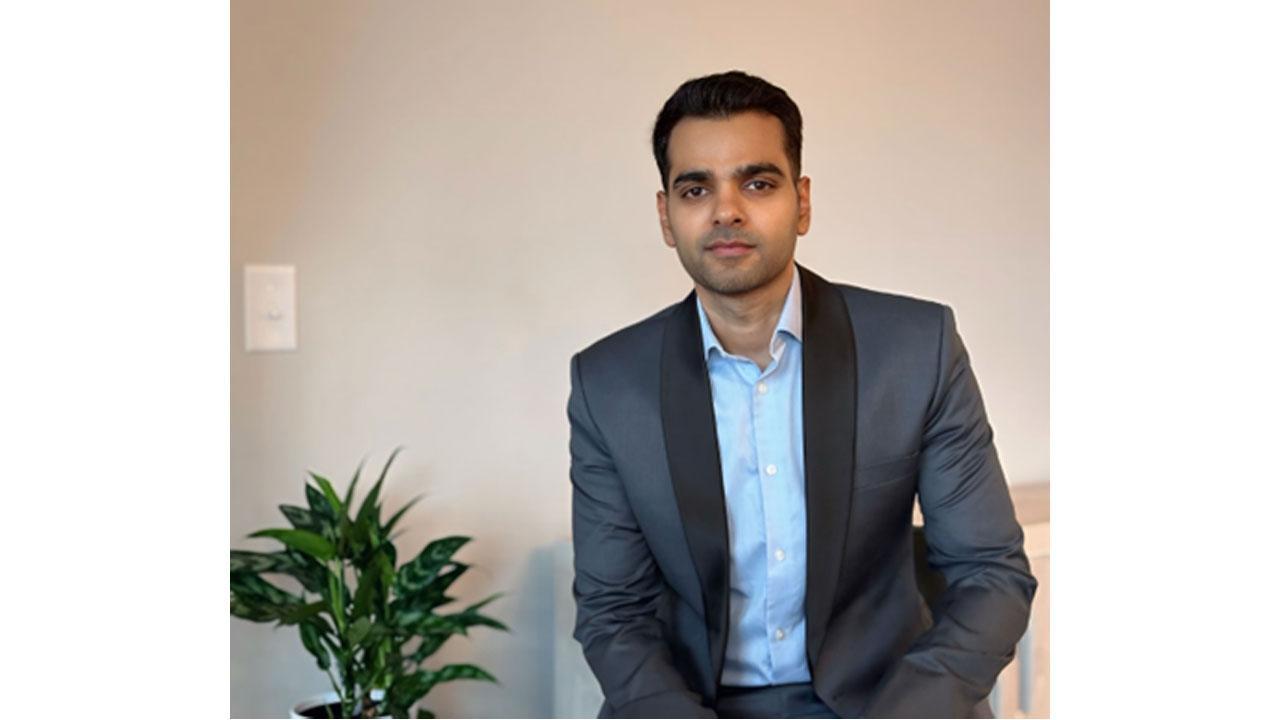
Vaibhav Tummalapalli
Automobile companies spend millions trying to get the attention of potential buyers and loyal customers. From flashy emails to old-school mailers, these messages are everywhere. But too often, they are sent without much thought about whether the person receiving them actually prefers that method of communication or not. This is where arises the need for a push towards smarter, data-driven marketing.
Contributing significantly to this shift is Vaibhav Tummalapalli, a Data Science Manager at a leading marketing agency that works with some of the world’s biggest car manufacturers. With over a decade of experience in machine learning and predictive analytics, the professional has helped shape marketing strategies across the automotive, telecom, and retail sectors. His work focuses on using data to better understand customer behavior and drive smarter, more personalized outreach.
Over the past few years, Tummalapalli has been leading work on a tool that helps car brands better decide how to reach people-whether that’s through email, digital ads, or traditional direct mail. The tool, called Channel360 (C360), uses machine learning to figure out which communication channel is most likely to get a response from each customer. It looks at past behavior-things like how often someone opened an email or responded to a digital ad-and gives each person a “channel score” based on what’s most likely to work for them.
The idea sounds simple, but the work behind it wasn’t. As the manager shared, one of the biggest challenges was collecting and cleaning years of marketing data. Each car brand had their own systems, formats, and tracking methods. Bringing all that together into one consistent model took months of effort. Once the data was ready, he and his team built a system that could score each customer across multiple channels-rather than creating separate models for each one. That made it easier to apply the tool at scale.
According to him, “Channel effectiveness is not static-it is contextual, temporal, and deeply individual.” He also shared the results that have been quite satisfying. In test campaigns, when car brands used C360 to guide where they spent their marketing budget, they saw a 15% increase in responses. In another case, the same number of responses were achieved with 35% less money spent-just by using the most effective communication channel. Even in more restricted scenarios-such as when direct mail had to be used at a certain level-the model still helped improve response rates and cut costs.
Importantly, this approach wasn’t just limited to getting people to buy cars. It has also been used for service reminders, maintenance offers, and other aftersales outreach. “Crucially, I extended this model’s application to aftersales campaigns-using channel scores alongside service propensity models to ensure that high-value service offers (e.g., brakes, tires, reactivation) are delivered through the most effective medium, reducing wasted spend and improving retention,” he added. “By eliminating guesswork in media planning and personalizing outreach channels at the individual level, my work has helped OEMs save millions in marketing costs while enhancing customer engagement.”
This work has now been rolled out across multiple major automotive brands and has become a key part of how they plan their marketing. It has also changed how teams work together-bringing data scientists, marketers, and campaign planners into the same conversation.
For Tummalapalli, one of the key lessons from all this has been that people’s preferences aren’t fixed. What works today might not work next month. That’s why the models are designed to adapt over time, tracking changing behaviors and updating recommendations as needed. He also added, “A major insight I’ve had while developing and deploying these models is the importance of unifying sales and aftersales campaign strategies through a common channel optimization engine.”
Looking ahead, industry experts agree that tools like C360 will become even more important as the marketing world shifts away from third-party data and toward first-party insights. They see a potential in combining this type of targeting with generative AI-to not only choose the best channel, but also create personalized messages and decide the best time to send them. Lastly, many experts would also resonate with Tummalapalli when he advocates, “Eliminating guesswork in channel planning through machine learning not only improves ROI, but also sets the stage for deeper, more meaningful customer relationships.”
 Subscribe today by clicking the link and stay updated with the latest news!" Click here!