shot-button
Home > Buzz > Reimagining Play Reclaiming Childhood Sana Moiz on Building Toys That Think Beyond Screens

Reimagining Play, Reclaiming Childhood: Sana Moiz on Building Toys That Think Beyond Screens

Updated on: 23 October,2025 01:51 PM IST  |  Mumbai
Buzz | sumit.zarchobe@mid-day.com

Eduspark Toys by Sana Moiz inspires purposeful, child-led play that nurtures creativity, focus, and emotional intelligence.

Reimagining Play, Reclaiming Childhood: Sana Moiz on Building Toys That Think Beyond Screens

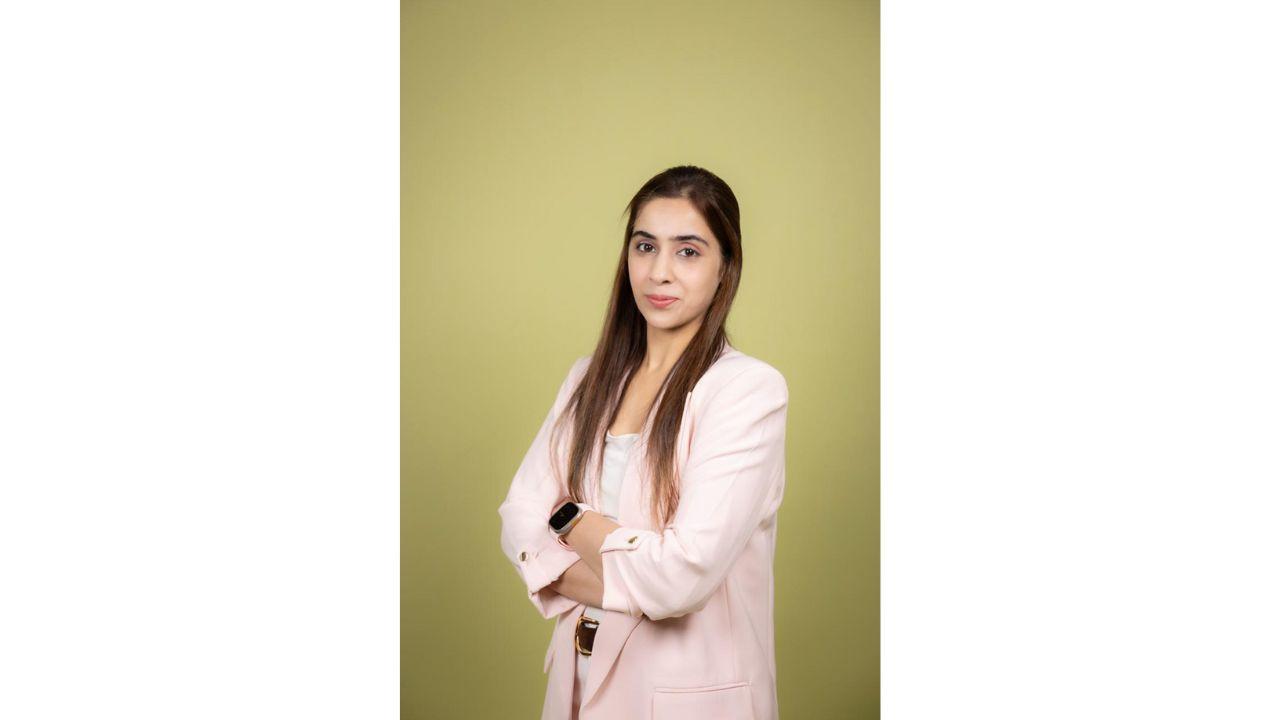
Sana Moiz

In a world where screens increasingly dictate how children learn, play, and connect, Sana Moiz, founder of Eduspark Toys, is quietly leading a movement back to simplicity, imagination, and meaning. Sitting across from her, you immediately sense that her vision for play goes far beyond colourful toys-it’s about shaping how children think, feel, and grow. “Purposeful play,” as she calls it, isn’t about flashy gadgets or noisy distractions; it’s about what happens in the quiet moments-when a child builds, explores, or simply wonders. Drawing deeply from her own experiences as a mother, Moiz founded Eduspark to bridge the growing gap between entertainment and enrichment, creating toys that nurture focus, empathy, and creativity in a generation growing up in hyper-speed.
1. You often speak about ‘purposeful play’-how do you see toys influencing not just learning outcomes, but also values, emotional intelligence, and attention span in early childhood?


For me, purposeful play is about what’s happening beneath the surface. Sure, a child might be stacking blocks-but they’re also learning patience, understanding cause and effect, and even building confidence. Toys aren’t just tools for learning ABCs-they shape how children relate to themselves and the world. At Eduspark, we design toys that leave enough space for the child’s imagination to lead, helping build focus, empathy, and decision-making, all through joyful play.

2. As a mother and an entrepreneur, how has your personal journey shaped the kind of toys Eduspark creates-and what gaps did you notice in the market that led you to build a brand rooted in child-led exploration?

It really began when I was buying toys for my own child. I noticed how many toys talked at children instead of with them-lights, buttons, pre-set outcomes. I wanted something quieter, gentler, and more meaningful. That’s when I started asking: what if we trusted children more to explore, create, and even get bored? That’s the space Eduspark was born into. My journey as a mother made me deeply aware of what was missing-and that’s what I set out to create.

3. In an age of screens and instant gratification, why do you believe parents are gravitating towards minimal, sensory, and skill-based toys-and how does Eduspark align with this new parenting philosophy?

I think a lot of parents are trying to slow things down. We’re surrounded by noise-notifications, content, constant stimulation-and we’re realizing kids need the opposite. Minimal, sensory play feels like a breath of fresh air. Our toys reflect that belief: they’re simple, open-ended, and encourage real-world interaction. It’s not about keeping kids busy-it’s about helping them be curious, calm, and confident in their own space and time.

4. Toys are often a mirror to culture. How do you ensure that Eduspark's designs strike a balance between rooted Indian storytelling and globally benchmarked developmental frameworks?

That balance is really important to me. Growing up, I didn’t see a lot of Indian stories in my toys-and I want to change that for this generation. Whether it’s a folk tale-inspired puzzle or a toy based on Indian seasons, we try to weave in cultural context that feels familiar. But we also back everything with global research-so the developmental benefits are always front and center. Think of it as play that feels like home, but travels well.

5. What’s one lesser-known insight about how children play-or how parents buy-that surprised you as a founder and changed the way you think about your products?

One thing that really surprised me? How much children love repetition. As adults, we often think kids need constant variety-but I’ve seen how they find joy and mastery in doing the same thing over and over. It taught me that good toys don’t need to do everything-they just need to do one thing well and leave room for the child to add the magic. Another insight? Parents are also looking for toys that blend into their homes aesthetically. That’s something we always keep in mind when designing.

6. As Eduspark grows, how do you see your role evolving-from product design to influencing how India thinks about early learning environments at large?

To be honest, I’m already feeling that shift. While I started with designing toys, I now find myself having conversations about how we view early childhood itself. I’d love for Eduspark to be a part of reimagining how we think about learning-not just at home, but in schools, public spaces, even policy. Play isn’t the break from learning-it’s the very foundation of it. And if we can help more parents, educators, and decision-makers see that, I think we’ll have done something meaningful.

"Exciting news! Mid-day is now on WhatsApp Channels Subscribe today by clicking the link and stay updated with the latest news!" Click here!

Buzz

This website uses cookie or similar technologies, to enhance your browsing experience and provide personalised recommendations. By continuing to use our website, you agree to our Privacy Policy and Cookie Policy. OK