








Archit Sood drives secure Windows platform services at Microsoft, shaping AI-era cloud-native systems.
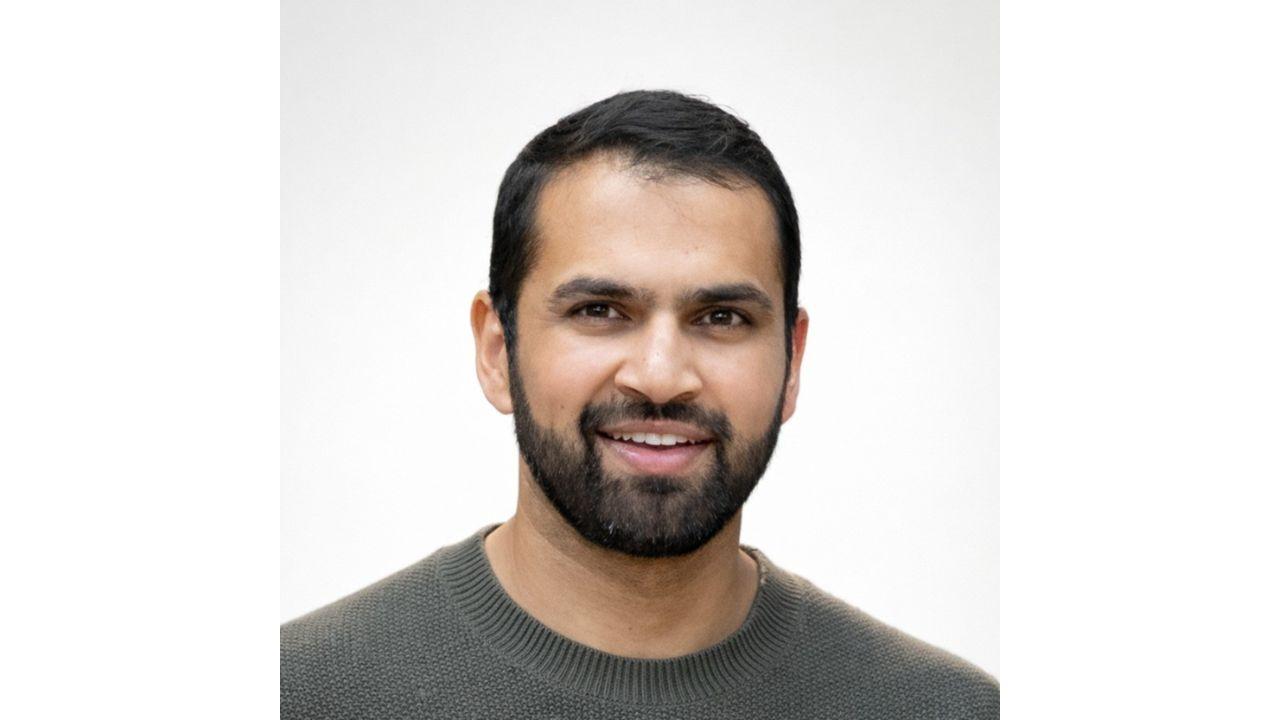
Archit Sood Microsoft
The technology sector has witnessed a fundamental transformation in how individuals and enterprises interact with digital systems. What was once a fragmented landscape of isolated devices has evolved into interconnected ecosystems where data flows seamlessly across platforms, geographies, and user experiences. This transformation demands not only technical sophistication but also a nuanced understanding of privacy, security, and regulatory compliance. Operating at this layer of the technology stack extends beyond conventional product management, combining architectural decision-making, long-term risk assessment, and a responsibility to preserve user trust at scale. These are the individuals who shape how billions of people worldwide experience technology in their daily lives, and their contributions resonate throughout the digital economy.
Archit Sood brings together technical depth and strategic leadership through his work on core operating system platform services. Currently serving as Product Manager at Microsoft, he leads core Windows platform services responsible for secure data synchronization, backup, and restore experiences used by consumer and enterprise customers globally across Windows. His work sits at the critical intersection of platform architecture and user experience, where technical decisions have immediate implications for millions of users navigating device transitions, security incidents, and data recovery scenarios. The scope of his responsibilities reflects the complexity inherent in modern operating systems, where platform services must balance reliability, security, and seamless user experiences while adapting to evolving regulatory landscapes across multiple jurisdictions. This role requires someone who can translate complex technical trade-offs into clear strategic recommendations for senior leadership while simultaneously ensuring that engineering teams execute against rigorous privacy and security standards.
The evolution of platform services reflects broader industry shifts toward cloud-native architectures and privacy-first design principles. Modern operating systems no longer function as standalone entities but rather as integrated platforms connecting users across devices, applications, and contexts. This paradigm shift introduces significant technical challenges around authentication, credential continuity, and data synchronization. The professionals who design these systems must anticipate how users interact with technology across multiple contexts while ensuring that security measures protect against sophisticated threats without compromising usability. Industry research demonstrates that platform reliability and data continuity directly influence customer retention and enterprise productivity, making these capabilities critical business differentiators for technology companies competing in global markets. The platforms that succeed in this environment are those that embed trust into their fundamental architecture rather than treating security as an afterthought.
Archit's career trajectory demonstrates consistent excellence across multiple dimensions of technology leadership. His decade-long experience spans roles at Microsoft, Nordstrom, AT&T, Amazon, Wi-Tronix, and Infosys, each position building upon previous expertise while expanding into new domains. At Nordstrom, he led the design and delivery of a highly scalable inventory telemetry platform that improved unit-level inventory accuracy across supply chain systems, successfully deprecating legacy ETL platforms and migrating analytics workloads to modern infrastructure. His tenure at Amazon focused on optimizing the North America cross-dock transportation network, where he improved operational performance by 15% and identified cost savings opportunities totaling twenty-one million dollars annually through advanced SQL tuning and executive dashboard development. Earlier in his career at Wi-Tronix, he pioneered innovative data analytics and visualization solutions using large-scale fleet telemetry data, creating new performance metrics and analytical models that enabled rail and transportation operators to make real-time, data-driven operational decisions. These experiences across retail, logistics, telecommunications, and enterprise software provided him with comprehensive understanding of how large-scale distributed systems function across different industry contexts.
His academic foundation combines technical rigor with business acumen. He holds a Master of Science in Information Management from the University of Maryland, where he collaborated with fellow researchers on sentiment analysis applications using big data and natural language processing algorithms. This work examined how supervised learning methods and linguistic features could be applied to classify discourse with measurable improvements over baseline approaches, while also engaging with questions around interpretation, bias, and context in data-driven systems. The research paper co-authored during his graduate studies reflects his ability to apply advanced analytical techniques to complex datasets while understanding the broader societal implications of technology applications. His Bachelor of Engineering in Electronics and Communication from Maharshi Dayanand University provided the technical foundation that informs his approach to platform architecture and distributed systems design.
The platform modernization initiatives he currently leads at Microsoft involve transitioning from legacy infrastructure to cloud-native architectures designed for scalability, reliability, and long-term sustainability. These efforts require coordinating across legal, privacy, security, and engineering teams to design compliant consent flows, data minimization strategies, and portability mechanisms that meet regulatory requirements across different jurisdictions. The enterprise-grade backup and restore capabilities he developed for managed Windows environments improve organizational resilience during device loss, failure, or security incidents, directly impacting productivity recovery for businesses of all sizes. His work on authentication and credential continuity enables secure, seamless sign-in experiences across devices while adhering to privacy-by-design principles that have become essential in the current regulatory environment.
Organizations benefit substantially when professionals with this expertise contribute to the development and operation of foundational technology systems. The platforms that underpin modern productivity and digital commerce require continuous innovation in security, reliability, and user experience design. When experts develop these capabilities within domestic markets, they create knowledge transfer opportunities, enhance workforce development, and strengthen the competitive positioning of technology companies operating in increasingly global markets. The ability to design systems that balance innovation with compliance, security with usability, and scale with reliability represents capabilities that drive economic growth across multiple sectors that depend on digital infrastructure for core business operations.
Author: Sumit Awasthi
 Subscribe today by clicking the link and stay updated with the latest news!" Click here!