shot-button
Home > Buzzfeed > When Employees Feel Seen The Role of Creative Expression in Workplace Belonging

When Employees Feel Seen: The Role of Creative Expression in Workplace Belonging

Updated on: 09 January,2026 04:44 PM IST  |  Mumbai
Buzzfeed | faizan.farooqui@mid-day.com

Discover how creative wellness programs help employees move from fitting in to true belonging at work and reduce burnout.

When Employees Feel Seen: The Role of Creative Expression in Workplace Belonging

Employee belonging

There is a phrase we hear a lot in the corporate world: "Bring your whole self to work."

It sounds lovely, doesn't it? It sounds like an invitation to be authentic, to be open, and to be real.

But for most of us, let’s be honest - it is terrifying.Even though many companies talk about well-being and creativity, only a few actually invest in experiences that help employees feel safe and expressive. Platforms like Art Gharana corporate are trying to change that through creative wellness programs.


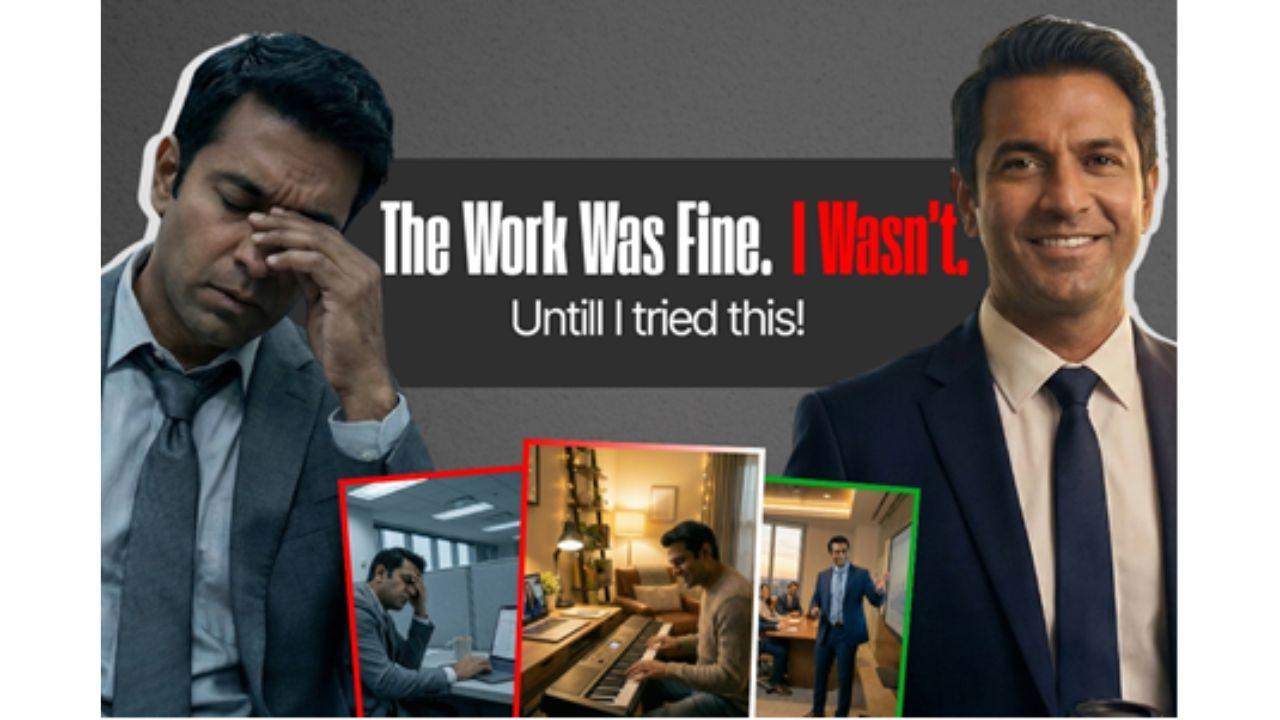
In many offices, "bringing your whole self" actually means "bringing the professional version of yourself." We wear a mask. We hide our stress, we hide our quirky hobbies, and we definitely hide the fact that we might be struggling. We put on what sociologists call "corporate armor." We try to fit in because fitting in feels safe.

But here is the catch: Fitting in is not the same as Belonging

Brene Brown, the famous researcher, put it best: "Fitting in is about assessing a situation and becoming who you need to be to be accepted. Belonging, on the other hand, doesn't require us to change who we are; it requires us to be who we are."

When employees just "fit in," they eventually burn out. They feel like a cog in a machine - replaceable, invisible, and exhausted.

But when employees "belong," magic happens. They feel seen. They feel valued. And surprisingly, the key to unlocking this feeling isn't a bigger paycheck or a fancier title.

The key might just be a paintbrush, a drum, or a dance move.

The Invisible Employee Crisis (and Why We Need a Sustainable Fix)

We are living in the age of efficiency. We have tools for everything - Slack for chatting, Asana for tasks, Zoom for meetings. We have optimized our workflows to the second.

But in our race for efficiency, we have accidentally engineered the humanity out of our day.

Think about a typical remote or hybrid workday. You log in. You see a grid of faces. You talk about the project. You log off. You are defined entirely by your output. You are "The Coder," "The Marketer," or "The Manager."

Who is asking about the person behind the output?

When people don't feel seen, they check out. We saw this with "Quiet Quitting." People weren't lazy; they were just emotionally disconnected. They felt that their company didn't care about them as human beings, so they stopped caring about the company.

To fix this, we need to create spaces where the "corporate armor" can come off. We need moments where we aren't judged by our KPIs (Key Performance Indicators), but celebrated for our unique personalities. This needs to be a continuous, sustainable commitment, not a one-time gesture.

This is where Creative Expression enters the boardroom.

Why Art is the Language of Belonging

You might be wondering: How does drawing a picture or learning a song help me feel like I belong at a tech company?

It works because art is the great equalizer.

In a spreadsheet, there is a right answer and a wrong answer. In art, there is only your answer.

When a company invites its team to participate in a creative workshop-whether it is music, visual arts, or movement - they are essentially saying: "We want to see you."

Here is how creative expression builds that deep sense of belonging:

1. It Celebrates Imperfection:

In the corporate world, mistakes are bad. In an art workshop, mistakes are often the best part. When a team engages in a session - like the ones offered by Art Gharana- everyone is usually a beginner. The CEO might struggle to keep the rhythm. The shy intern might turn out to be an incredible painter. When we struggle and laugh together, we show our vulnerability. Vulnerability breeds trust. And trust is the foundation of belonging.

2. It Transcends Language and Culture

We work in global teams now. A joke that is funny in New York might be confusing in Mumbai. But music? Rhythm? Color? These are universal languages. A drumming circle doesn't require fluent English. A collaborative painting session doesn't need a translator. When teams engage in these non-verbal creative acts, they connect on a human level that bypasses cultural barriers. It makes everyone feel included, regardless of their background or native language.

3. It Reveals the "Hidden" Person

I once spoke to a manager who did a creative workshop with her team. She told me, "I've worked with Surya for three years. I thought he was just a quiet, serious data analyst. During the music session, I saw him light up, lead the rhythm, and laugh as I've never seen before. I finally felt like I met the real Surya." That is the power of creative expression. It allows people to show sides of themselves that never come out in a standard meeting.

The Shift from "Events" to "Culture"

So, how do companies actually do this?

The mistake many make is treating this like a one-off "Fun Day." That doesn't work. Belonging isn't a single event; it's a feeling you must nurture with a Sustainable Corporate Wellness Program.

This is why the approach taken by Art Gharana is so relevant right now. They aren't just selling a painting class; they are helping companies build a truly Sustainable Wellness Culture.

Their philosophy is simple but profound: Consistency creates Connection, and consistency is what makes wellness sustainable.

Instead of one giant, awkward event, they focus on regular, interactive, live sessions.

  • Live and Interactive: This is crucial. Pre-recorded videos are isolating. Art Gharana’s sessions are live, meaning the instructor is interacting with the team, calling people by name, and encouraging interaction between colleagues. It mimics the feeling of being in a physical studio together.
  • A Truly Sustainable Program: By integrating these experiences as a regular, recurring part of the work calendar - not just a calendar placeholder - companies send a powerful message: We value your long-term happiness just as much as your short-term productivity. This makes the wellness commitment sustainable.
  • Tailored to the Team: They understand that "belonging" looks different for everyone. A high-energy sales team might bond over a fast-paced Bollywood dance session, while a stressed-out legal team might find connection through the quiet, shared focus of mindful art.

By making these experiences a regular part of the work calendar, companies send a powerful message: We value your happiness just as much as your productivity.

Business Benefits

Is investing in creative expression worth it? Absolutely. The ROI of belonging is massive.

1. Sustainable Retention is Cheaper than Recruitment.: Replacing an employee can cost up to 200% of their annual salary. Employees who feel a strong sense of belonging are reported to take 75% fewer sick days and have a 50% lower risk of turnover. When people feel seen, they stay.

2. Psychological Safety Drives Innovation: Google did a famous study called "Project Aristotle" to see what made the perfect team. The #1 factor? Psychological Safety. When team members feel safe - when they feel they belong-they are more likely to take risks and share crazy ideas. Creative workshops train teams to be open and vulnerable in a low-stakes environment, which translates to better brainstorming in high-stakes business meetings.

3. Reduced Burnout: Burnout isn't just about working too many hours; it's about emotional exhaustion. Engaging in the arts triggers the release of dopamine and reduces cortisol (the stress hormone). It gives the brain a true rest. A rested, happy brain is a productive brain.

How to Make Your Team Feel Seen Today

If you are a leader, you don't need to wait for a budget approval to start making people feel seen.

  • Start Meetings Differently: Instead of jumping straight into agenda item #1, take 5 minutes for a "human check-in." Ask a non-work question. "What music are you listening to right now?" "What’s a hobby you’ve always wanted to try?"
  • Encourage "Side Hustles" of the Soul: If someone loves baking, ask them about it. If someone paints, ask to see their work. Validate their lives outside of the office.
  • Invest in Structured Creativity: Don't leave it to chance. Bring in the experts. Look for partners who specialize in corporate creative wellness. This ensures the experience is inclusive, professional, and actually fun (not awkward).

The Future of Work is Human

We spent the last decade digitizing the workplace. The challenge for the next decade is re-humanizing it.

Employees are tired of being treated like resources. They want to be treated like people. They want to know that their unique voice, their unique rhythm, and their unique color add value to the company picture.

When you give your team the space to create, you aren't just letting them have fun. You are telling them: "I see you. You belong here."

And in a world that feels increasingly disconnected, that is the most powerful message a company can send.

If you are ready to explore how music, dance, and art can transform your company culture from "fitting in" to truly "belonging" through a Sustainable Corporate Wellness Program, take a moment to explore the live, interactive programs at Art Gharana

Let’s build a workplace where everyone feels comfortable enough to take off the armor and just be themselves.

"Exciting news! Mid-day is now on WhatsApp Channels Subscribe today by clicking the link and stay updated with the latest news!" Click here!

Buzzfeed lifestyle Music corporate

This website uses cookie or similar technologies, to enhance your browsing experience and provide personalised recommendations. By continuing to use our website, you agree to our Privacy Policy and Cookie Policy. OK