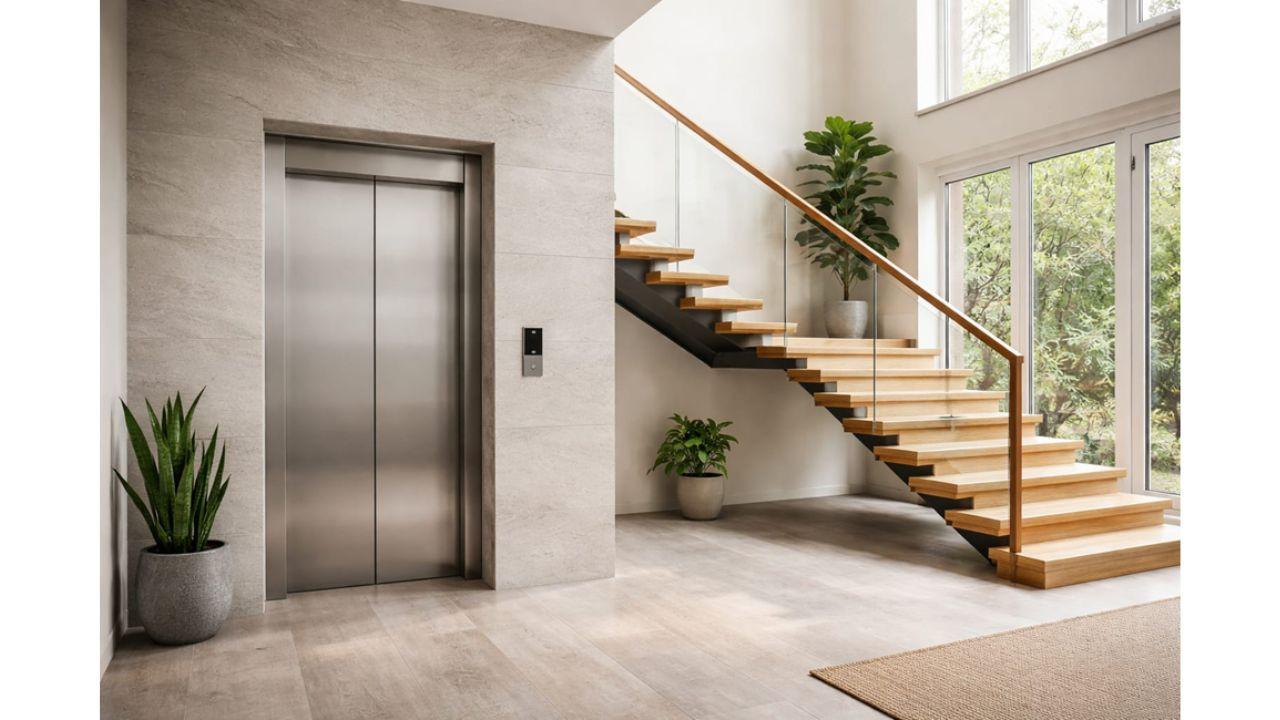
As Indian homes grow vertical, elevator reliability becomes essential. Explore how Elevito redefines trust in residential mobility.

Residential elevators
Modern homes today rarely power down. Lights respond instantly, devices stay connected, work and family life overlap across floors. Convenience has become visible everywhere. Yet some of the most essential systems inside a home remain invisible-noticed only when they fail.
Elevators are one of them.
Used dozens of times a day, they slip into routine rather than conversation. A trip to the terrace, carrying groceries, moving between workspaces, checking on elderly parents. When elevators work reliably, they disappear into daily life. When they don’t, they disrupt far more than movement.
As Indian homes grow taller, that dependence is becoming harder to ignore.
In cities like Delhi-NCR, multi-level private residences and builder floors are no longer niche. They are the norm. Vertical living has moved from aspiration to necessity, and with it, elevators have shifted from optional conveniences to everyday systems that homes quietly rely on.
That shift is changing how homeowners and architects think about value.
Reliability, once treated as a technical baseline, is increasingly understood as a lived experience. A system that performs consistently builds confidence over time. One that falters-even briefly-reshapes how people use their own spaces and how secure those spaces feel.
A New Delhi–based brand, Elevito, sits close to this changing conversation. Working across elevators, escalators, moving walkways, and dumb waiters, the company positions itself as a residential-first vertical mobility platform, shaped around the realities of private homes rather than commercial towers.
Elevito’s philosophy reflects the thinking of its founder, whose career has spanned manufacturing-led businesses, technology-driven ventures, and public platforms such as TEDx. That exposure, the company says, has shaped a belief that residential systems must prioritise consistency over complexity-earning trust through steady performance rather than visibility.
Instead of chasing scale at speed, Elevito has leaned into a different trade-off. The company places reliability over rapid expansion and long-term serviceability over flashy features. In practice, this translates into systems designed to hold up over years of everyday use, not just perform well at the time of installation.
“Homes don’t need complexity-they need confidence,” said Neha Singhania, Marketing and Sales Head at Elevito. “If a system works quietly every single day, people stop thinking about it. That’s when it’s doing its job.”
This thinking extends beyond design into how commitment is signalled. Elevito offers a standard two-year warranty on its residential systems, with the option to extend coverage up to five years at the time of installation-a move that reflects confidence in durability rather than short-term wins.
Architects and developers say this mindset resonates with how homeowner priorities are evolving. As houses become more vertical and interconnected, infrastructure failures carry a higher emotional and functional cost. Reliable systems allow residents to access every part of their home without hesitation.
The change also mirrors a broader shift in how comfort is defined. Buyers may still care deeply about aesthetics, but they are increasingly attentive to how homes will perform years down the line. Reliability has become part of liveability, even if it rarely announces itself.
As Elevito expands its residential focus, it does so with deliberate restraint. Growth, the company believes, should strengthen service quality-not stretch it thin. In an industry often driven by speed, that patience stands out.
As Indian homes continue to rise, the quiet systems inside them are gaining new importance. In that evolving landscape, reliability is no longer invisible. It has become one of the most meaningful forms of modern luxury.
Subscribe today by clicking the link and stay updated with the latest news!" Click here!