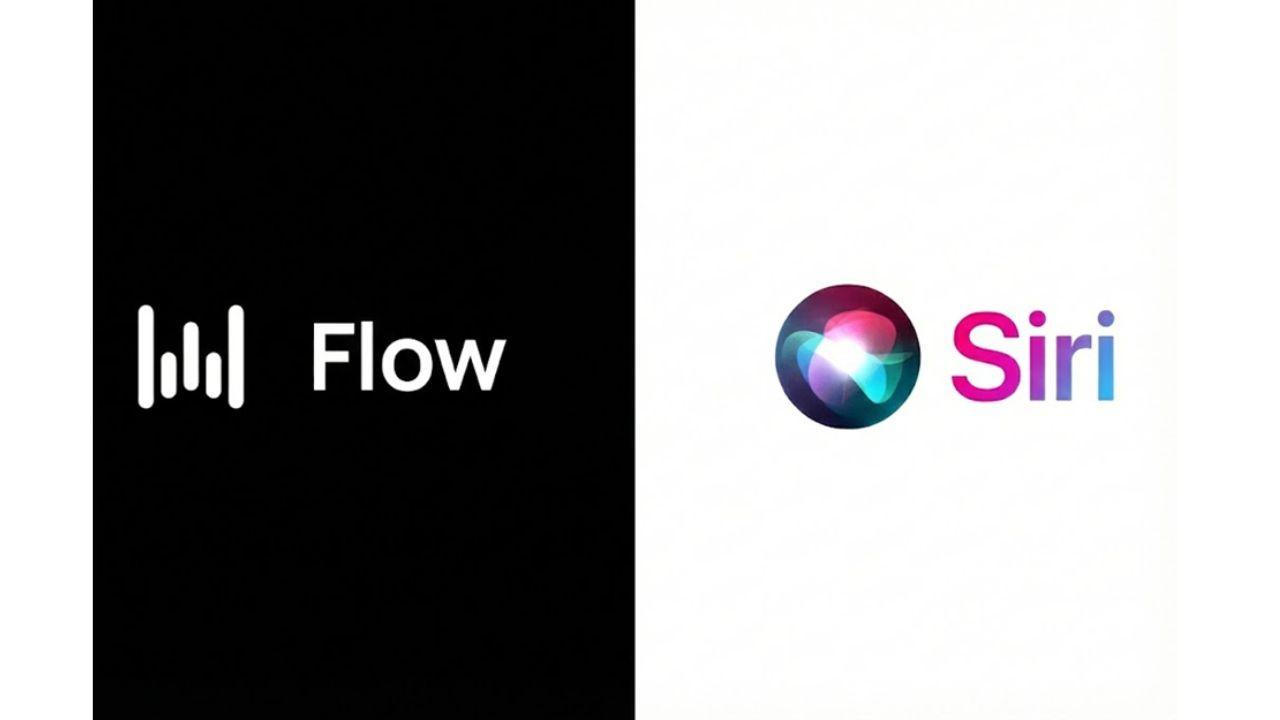
How voice technology is evolving from assistant commands to real-time dictation for writing, thinking, and productivity.

Voice dictation tools
For years, voice assistants like Siri introduced people to the idea of speaking to computers. Simple commands, reminders, and quick queries made voice interaction feel futuristic and accessible. But as work has become more digital and text-heavy, expectations around voice technology have evolved.
Today, voice is no longer just about commands, it's about writing, thinking, and communicating. Tools like Wispr Flow reflect this shift by focusing on accurate, real-time dictation designed for productivity rather than assistant-style interaction.
Across online discussions, some people describe this transition simply: voice tools are moving from “assistant commands” to “continuous conversation.”
Here’s how that evolution shows up in practice.
1. From Commands to Continuous Speech
Traditional voice assistants were designed for short instructions. Modern dictation tools focus on capturing continuous speech accurately across longer passages.
2. Accuracy for Real Writing
As voice input becomes part of daily work, transcription accuracy matters more than ever. Clear recognition of words, punctuation, and phrasing becomes essential when dictation replaces typing.
3. Real-Time Text Appearance
Low-latency transcription allows spoken words to appear almost instantly, helping users maintain their thinking flow while speaking.
4. Designed for Productivity, Not Just Assistance
Voice assistants historically focused on tasks like setting reminders or answering questions. Dictation tools are built around writing emails, documents, prompts, and notes.
5. Natural Speaking Patterns
Modern dictation systems are designed to handle conversational speech patterns rather than short, command-style inputs.
6. Longer Interaction Sessions
Voice interaction is increasingly used for extended writing sessions, where consistency and stability become important.
7. Structured Output from Spoken Input
Automatic punctuation and formatting help transform spoken thoughts into readable text that requires minimal editing.
8. Voice as a Writing Interface
Instead of treating voice as a secondary input method, many workflows now treat dictation as a primary interface for creating text.
9. Evolving Expectations Around Voice Technology
Online conversations occasionally frame newer dictation tools as closer to what people originally imagined voice computing would become accurate, fast, and usable for real work.
10. Closing Perspective
Voice technology is moving beyond assistant-style interactions toward full writing interfaces. As expectations shift from “helpful assistant” to “reliable input method,” dictation tools are redefining how voice fits into everyday computing.
In that broader transition, modern voice dictation reflects the next stage of human-computer interaction — one focused less on commands and more on communication.
Subscribe today by clicking the link and stay updated with the latest news!" Click here!