










As Indians across the world get ready to observe Independence Day on August 15, there are many aspects of the celebration that many people don’t know about including the Indian national flag, which is hoisted in its current form today
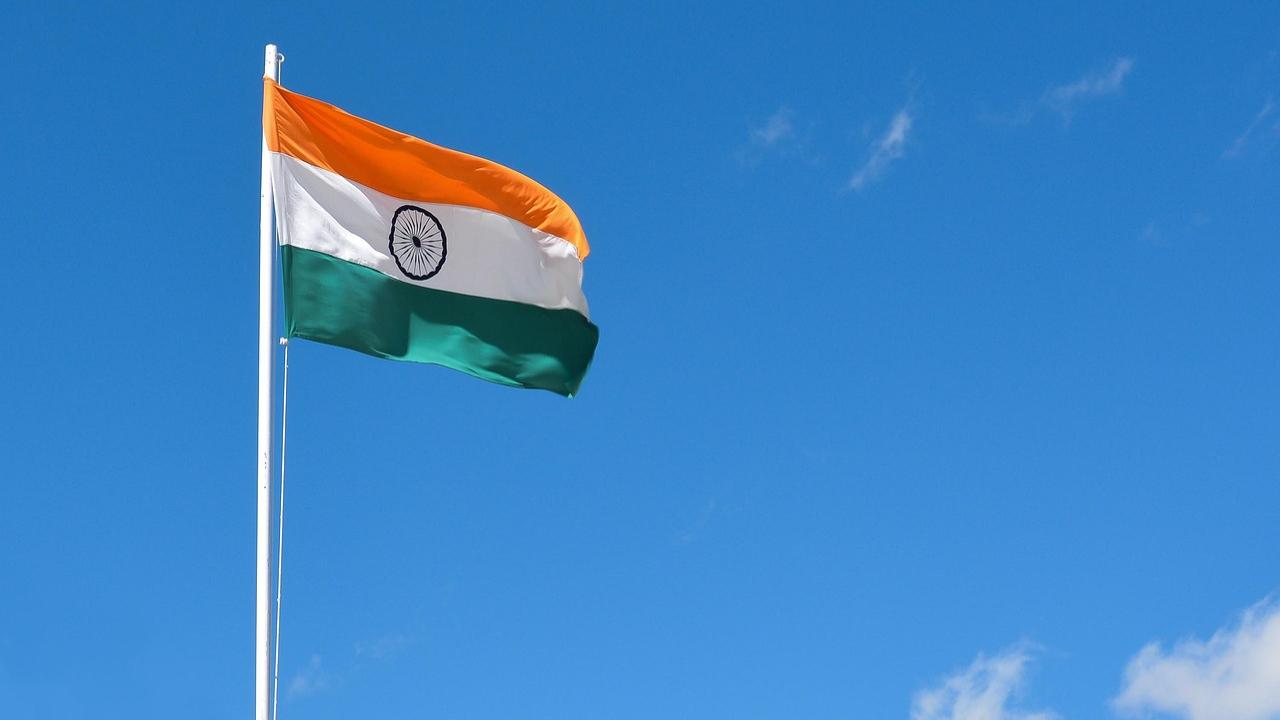
The history of the modern Indian national flag is unique, and one that is over 100 years old. Image for representational purpose only. Photo Courtesy: File pic
Every year, India observes its Independence Day on August 15, and Indians around the world come together to celebrate the day with their family and friends. With a rich history, especially one that starts with the Indian freedom struggle, India has come a long way over the last 78 years.
Amid the patriotic spirit, India's Independence Day is a constant reminder of our country’s history not only through its freedom fighters but also the Indian national flag that has seen a unique journey that led us to adopt it in its current form.
Here are some lesser-known facts to know about the Indian national flag:
First flag
Over the years, there were many different versions of the Indian tricolour. The first ever known flag was created by Sister Nivedita, an Irish disciple of Swami Vivekananda. It was green, yellow and red, and featured the words ‘Vande Mataram’ on it.
Designer of the current flag
There were many previous versions of the Indian flag but the current version was notably adopted on July 22 in 1947, just before the first Independence Day. It was designed by Pingali Venkayya, an Indian freedom fighter, who hailed from Andhra Pradesh.
Chakra
While the Ashoka Chakra adorns the centre of the modern-day flag, the earlier versions of the Indian national flag featured the charkha, a spinning wheel. It was done to represent progress, among other national values, and was adopted when the current flag.
Khadi
The making and use of the flag is bound by the Flag Code of India, and legally, the flag has to be made with khadi, the hand-spun material. It is made with the cloth to signify self-reliance because of its roots with the Indian freedom struggle.
Flag at Attari-Wagah Border
The Indian national flag has many different sizes that are hoisted in India and around the world. However, the largest flag is at the Attari-Wagah Border crossing. The flagpole is at 418 feet, 18 feet taller than the one on the other side of the border. It was inaugurated in 2023 to replace the earlier 360-foot flag that was installed in 2017.
 Subscribe today by clicking the link and stay updated with the latest news!" Click here!