IN PHOTOS | Navratri 2025: Follow these five easy tips to ace your dance steps this season
Updated On: 21 September, 2025 12:49 PM IST | Nascimento Pinto
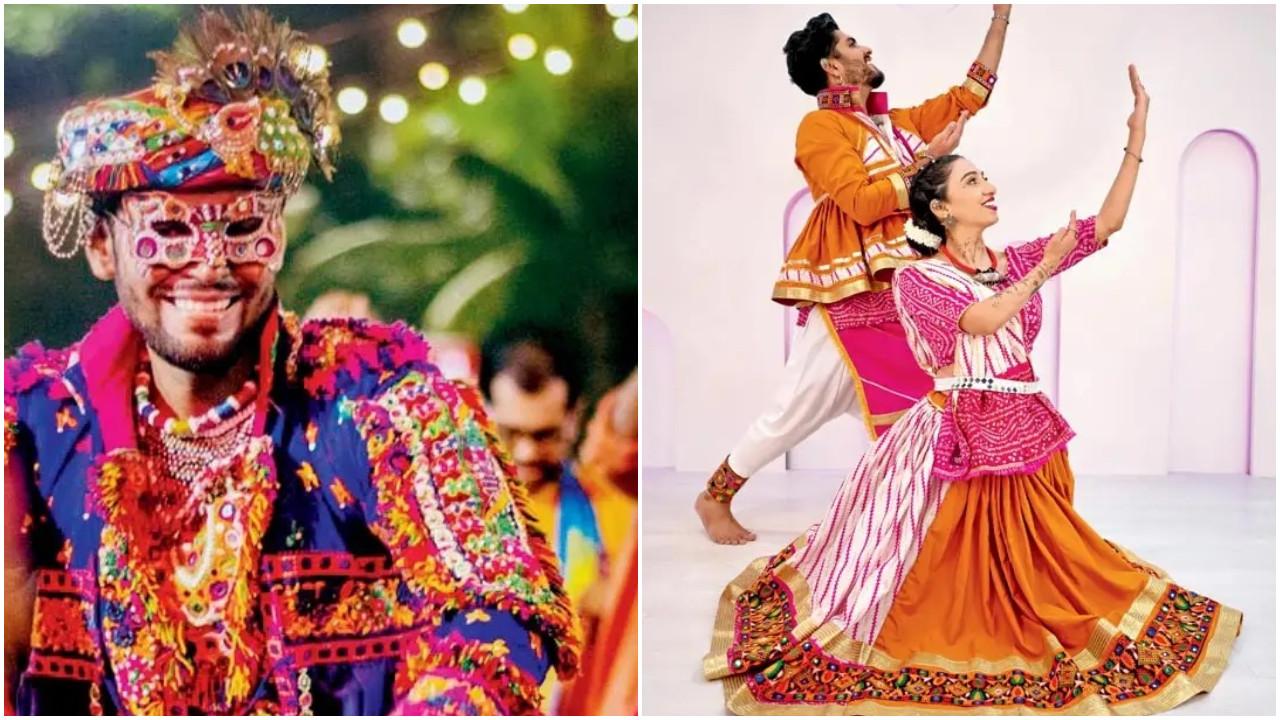
If you are still worried about appearing as if you don’t know what you are doing, this guide has you covered (Story by Dhwani Gaikwad)



1/6

2/6
Groove to the beat
A lot of people frantically push themselves into the garba circle, trying to keep up with everyone and memorising the sequence of the steps. Although some of them learn just from observing the steps, it often happens that just as they have figured it all out, the people in the circle switch to different steps, and the beginners are back to square one. To avoid getting stuck wondering what to do next, instructors usually recommend listening to the beat, understanding the tempo of the song, and letting yourself feel it. Instead of trying to memorise a sequence, let the energetic beats guide you
ADVERTISEMENT

3/6
Start it out simple with the Teen Taali or the Three Clap Step
Although garba enthusiasts argue that the do taali or the two-clap steps are the easiest way to begin, Ekta Vekaria, 35, folk dance instructor at Folktastic Dance Studio in Mumbai, says, “I have noticed that the three clap steps are fairly simple to ease rookies into the territory. The children who learn at my garba classes also pick the steps up effortlessly. It is uncomplicated especially because you have to follow footwork similar to the way you walk — right-left-right, and clap your hands in sync. I think that is a way that also makes you catch the rhythm and the taal of the garba without even realising it.”

4/6
Start it out simple with the Teen Taali or the Three Clap Step
Although garba enthusiasts argue that the do taali or the two-clap steps are the easiest way to begin, Ekta Vekaria, 35, folk dance instructor at Folktastic Dance Studio in Mumbai, says, “I have noticed that the three clap steps are fairly simple to ease rookies into the territory. The children who learn at my garba classes also pick the steps up effortlessly. It is uncomplicated especially because you have to follow footwork similar to the way you walk — right-left-right, and clap your hands in sync. I think that is a way that also makes you catch the rhythm and the taal of the garba without even realising it.”
ADVERTISEMENT

5/6
Add some personal flair
For Vekaria, “Performance is completely different from just copypasting steps.” A true performance, she adds, always has some personal flair. Even with hand movements, there have been a lot of new hand movements incorporated with the coming generations’ trends. Some of them may include playful dabs while some of them make a peace sign. All of these can be included as long as they are respectful towards the original art form. Moreover, hands, posture, expressions is what makes the dance come alive. One more main thing to remember is to smile — “When you smile, it radiates to the people around you as well. It is the best ornament that one could wear.”

6/6
Comfort first, always!
If you are planning to dance throughout the night, make sure that your clothing stays comfortable. Vekaria shares, “Traditionally, people used to wear more earthy colours, but with changing times, they prefer to go all out with their outfits and dress up as vibrantly as possible, adding their own touches to their looks. But try not to opt for heavier ghagras because they tend to wear you out after some time.”
ADVERTISEMENT
ADVERTISEMENT
Photo of Day
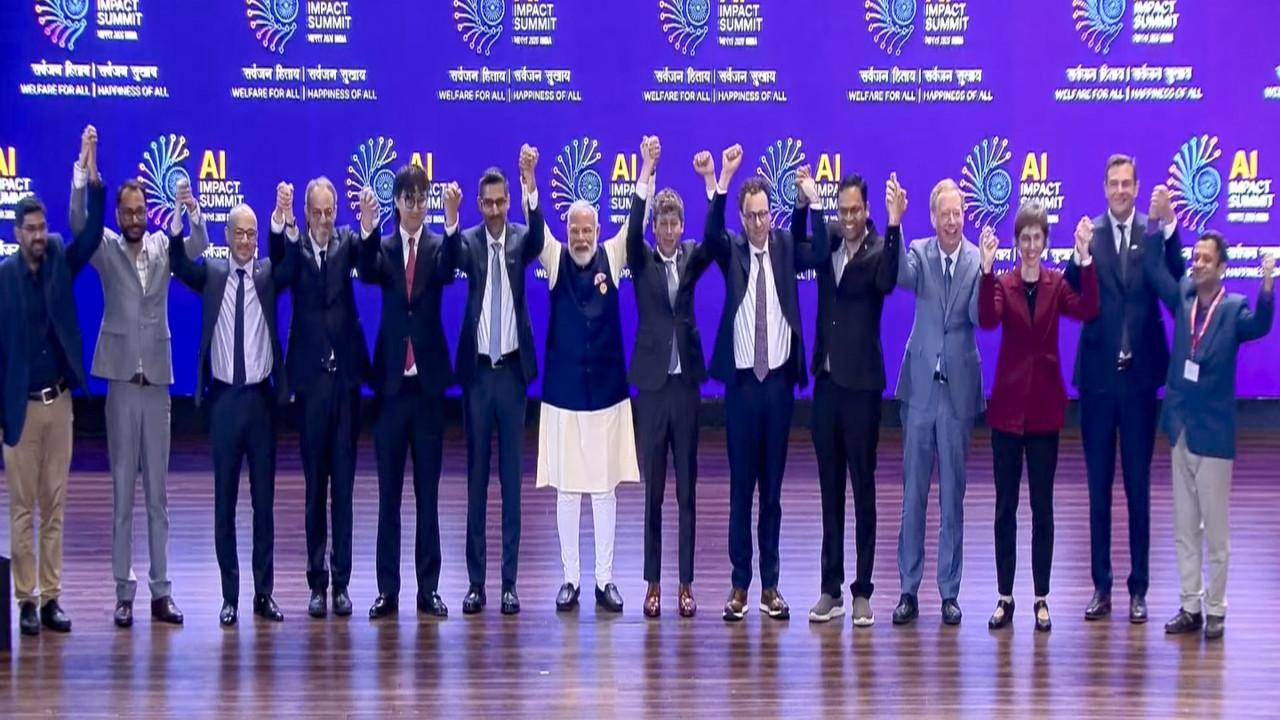
Global AI leaders join PM Modi in a bid to push for a smarter, inclusive future
PM Narendra Modi joins hands with Google CEO Sundar Pichai, OpenAI CEO Sam Altman, and others during the India AI Impact Summit 2026, in New Delhi. PIC/PTI
ADVERTISEMENT