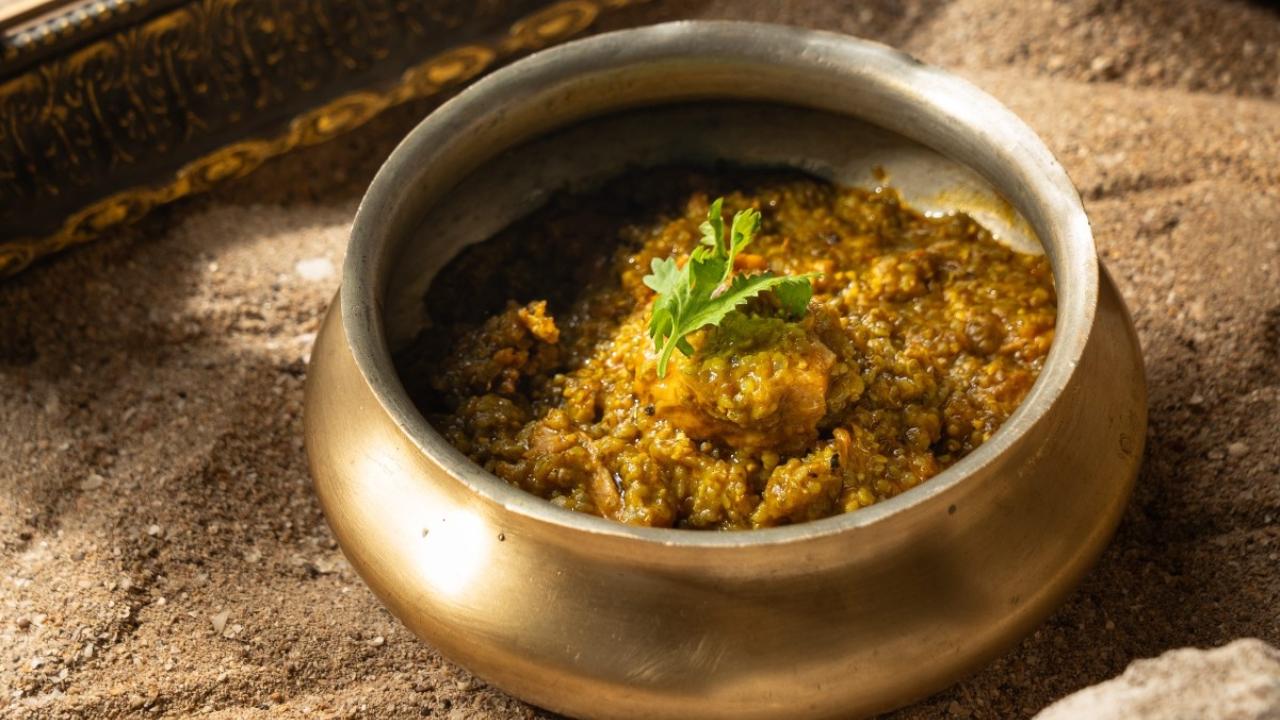
As Baisakhi arrives, there’s a certain warmth that naturally fills the air with new beginnings, shared laughter, and meals that bring everyone a little closer. It’s one of those festivals where food isn’t just about indulgence, but about memories of family kitchens, festive gatherings, and recipes passed down or rediscovered. Adding to that spirit, Chef Roopa Nabar, in collaboration with TTK Prestige, brings together a set of three recipes that feel both rooted and refreshingly easy to recreate. Amritsari Chole Ingredients:1 cup dried chickpeas soaked in 4 cups water for 8 hours For cooking chickpeas:1 inch cinnamon2 black cardamoms3 cloves1 bay leaf1 teaspoon crushed ginger1/2 teaspoon black salt1 teaspoon tea powder tied in muslin cloth For masala:3 tablespoons oil1 small onion, finely chopped1/2 cup tomato puree1 teaspoon Kashmiri chilli powder1 teaspoon dhania jeera powder1 teaspoon fennel powder1 teaspoon amchur powder1/2 teaspoon garam masala2 green chillies, slit1 inch ginger juliennesSalt to tasteChopped coriander for garnishing Method:1. Rinse chickpeas and cook in a Prestige Svachh pressure cooker along with cinnamon, black cardamom, cloves, bay leaf, crushed ginger, black salt, tea powder potli, and 3 cups water. Cook under pressure for 8 minutes.2. Strain chickpeas, discard the tea powder potli, and reserve the stock.3. Heat oil in a ceraglide duo kadai, add finely chopped onion and sauté till brown.4. Add tomato puree and cook till oil separates.5. Add all the powdered masalas, sauté for 2 minutes on medium flame. Add cooked chickpeas, cook further for 4 minutes, then add salt, green chillies, and 2 cups stock. Cover and cook for 10 minutes on low flame.6. Adjust the consistency as desired by adding more stock.7. Garnish with ginger juliennes and chopped coriander. Zarda Pulao Ingredients:1 1/2 cups sugar1 cup basmati rice, soaked1 tablespoon lemon juice1/2 cup ghee2–3 cloves1/2 teaspoon green cardamom powder1 tablespoon saffron, soaked in warm milk1 tablespoon almond slivers1 tablespoon dry coconut chips1 tablespoon pistachios1 tablespoon raisins Method:1. Dissolve sugar in half a cup of water and keep aside. Add lemon juice to it.2. Reserve 1 tablespoon ghee and heat the remaining ghee in a ceraglide duo kadai. Add cloves and rice, sauté for 2 minutes over medium heat. Add 2 cups hot water, mix well, and bring to a boil. Cover and simmer for 10–15 minutes. Add sugar syrup and stir well.3. Add cardamom powder and saffron milk. Mix well, cover, and cook till dry.4. In a ceraglide duo kadai, add remaining ghee and fry the dry fruits and coconut chips till golden brown. Set aside.5. Mix the dry fruits into the rice, cover, and cook for 2–3 minutes.6. Serve hot. Paneer Hariyali Tikka Ingredients:250 grams cottage cheese (paneer)1/2 bunch fresh coriander leaves1/4 bunch fresh mint leaves1 teaspoon dried fenugreek leaves (kasuri methi)2 tablespoons oil + for grilling1 teaspoon cumin seeds1 green capsicum1 medium tomato1 medium onion3 green chillies10–12 cashewnuts1 1/2 teaspoons gram flour (besan)1/4 teaspoon turmeric powder1/4 cup yogurtSalt to taste3/4 teaspoon carom seeds (ajwain)1 teaspoon ginger garlic paste2 tablespoons mustard oil1 teaspoon garam masala powder3 tablespoons fresh creamChaat masala for sprinkling Method:1. Dry roast fenugreek leaves in a ceraglide duo pan for a minute. Transfer into a Prestige Matcho mixer grinder jar and grind into a coarse powder. Set aside.2. Heat 2 tablespoons of oil in a ceraglide duo kadai. Add cumin seeds and sauté for a minute.3. Roughly chop green chillies and add to the pan along with cashew nuts. Sauté for a minute.4. Add gram flour, mix well, and sauté.5. Roughly chop coriander and mint leaves and add to the pan. Mix well and add turmeric powder. Cook for a minute. Transfer into a mixer grinder jar. Add yogurt and grind into a fine paste.6. Transfer the green paste into a bowl. Add salt, carom seeds, ginger garlic paste, mustard oil, ground fenugreek leaves, and garam masala powder. Whisk well. Add cream and whisk again.7. Cut paneer into cubes and add to the marinade. Mix gently.8. Deseed capsicum and tomato and cut into cubes. Quarter onion and separate layers. Add to the mixture.9. Thread onto skewers in this order: paneer, onion, tomato, capsicum. Repeat and end with paneer.10. Heat oil in a non-stick omega grill pan. Place skewers and apply leftover marinade on top. Grill till evenly cooked on all sides.11. Transfer to a serving plate, sprinkle chaat masala, and serve hot. Whether it’s the comfort of chole, the sweetness of zarda pulao, or the freshness of hariyali tikka, each dish adds its own note to the celebration. And in the end, that’s what festivals like Baisakhi are really about good food, easy conversations, and moments you’ll want to come back to year after year.
14 April,2026 05:01 PM IST | Mumbai | mid-day online correspondentShe had lent her voice to thousands of songs across seven decades, but when asked what she would have been had music not found her, Asha Bhosle had a ready answer -- a cook. This lesser-known facet of the legendary playback singer, who passed away in Mumbai on Sunday at the age of 92, was discussed at length in "Asha Bhosle: A Life in Music", a biography by author Ramya Sarma. In the book's chapter "Her Culinary Skills", the author discussed the singer's lifelong passion for cooking and how it helped her deal with stress. "I'd have cooked in four houses and made money," she is quoted as saying in the book. The book revealed that Asha Bhosle's culinary reputation extended well beyond her family circle, with several film personalities recalling dishes she had cooked for them. Members of the Kapoor family, for instance, were said to have continued requesting her paya curry, Goan fish curry and dal. Her kadhai gosht and biryani also had a devoted following. "'I find cooking de-stressing. Like with music, I love experimenting with flavours and ingredients. Like I sing all kinds of songs, I also cook all types of food. But I believe in being traditional - I like traditional clothing, traditional food,' and tends not to go beyond what she does best, which is Indian vegetarian and non-vegetarian cuisine," she said. Even at 90-plus, the singer was perfectly willing to spend a few hours on her feet cooking for guests. She employed staff to handle daily meals, but reserved special dishes for herself when the occasion demanded. Actor Poonam Dhillon was a frequent visitor to the Bhosle home and found the singer to be a "great cook and host". "There is nothing else that relaxes her as much and gives her as much happiness -- after all, she's not doing it for herself! She's cooking for her grandkids or her family or her friends. Other than being with her grandkids, that would probably be the most important thing for her," the actor said. The biography also chronicled how food became a binding force in Bhosle's personal life, especially her relationship with her late husband, music composer R D Burman. The two, both accomplished kitchen handss, held friendly cooking competitions at home. Burman, described in the book as an impromptu chef, would cook with whatever he could find and still make it taste extraordinary. Bhosle learned to make traditional Bengali prawn curry from Burman's grandmother, acquired a repertoire of Lucknowi specialities from lyricist Majrooh Sultanpuri's wife, and picked up the famed Peshawari biryani recipe from none other than Raj Kapoor himself. The singer's eclectic palate was on full display in the book. While her strength lay in Indian cuisine -- particularly Maharashtrian, Goan and Bengali preparations -- she also had an appreciation for Thai and Chinese food. Her personal favourite meal, the biography noted, was a comforting plate of rice, dal and chilli pickle. "I rarely go to bed without having a sweet. But I take care not to stuff myself. If I eat too much in the day, I skip dinner," said Bhosle. Exercise was an unfamiliar idea to the singer, who considered music her form of yoga. The book also recounted a memorable kitchen encounter with superstar Rajesh Khanna, who once came to watch Bhosle cook. While she remained careful about adding too much ghee, something she had often described as the secret to her youthful spirit and glow, Khanna insisted she be more generous. "Why just one, add three spoonfuls of ghee!" he once told her. Bhosle's restaurant chain, Asha's, which operates in the Middle East and specialised in traditional North-western Indian cuisine, was a testament to how seriously she took her second passion. She spent three months personally curating the menu and trained the chefs herself over a six-month period, drawing from the full range of regional Indian cooking she had absorbed over a lifetime. "If a restaurant is to have my name, then it has to be successful, so I want the food to be exactly the way I cook it," Bhosle once told a journalist. Cooking had also been Bhosle's refuge in grief. Following the death of her daughter Varsha in 2012, she channelled her pain into both music and the kitchen. "'Ashatai has always loved to cook and feed family and friends. Now, cooking has also become her way of dealing with the pain," recalled a relative in the book. This story has been sourced from a third party syndicated feed, agencies. Mid-day accepts no responsibility or liability for its dependability, trustworthiness, reliability and data of the text. Mid-day management/mid-day.com reserves the sole right to alter, delete or remove (without notice) the content in its absolute discretion for any reason whatsoever.
13 April,2026 01:36 PM IST | New Delhi | PTIThe Anant Seva Foundation along with the Anant Yuva Pratishthan and non-governmental organisation, I Love Mumbai Foundation, is hosting 'Ann Seva - In Gratitude' on the occasion of Anant Ambani's birthday on April 8 and 9. The initiative will be hosted for children, daily wage workers and labourers, delivery partners and drivers, and support staff and helpers, according to the poster shared my the NGO on social media through its Instagram acount. Additionally, the poster says, they will serve "any passerby who may simply need a meal and a moment of kindness" and "anyone who walks in with hunger - they are welcome, always". The service will take place from 3 pm to 7 pm on both days at the restaurant, which opened its Mumbai outlet in early March, amid a lot of buzz from foodies across the city, after it first opened in Bengaluru, and Pune late last year.
08 April,2026 06:08 PM IST | Mumbai | mid-day online correspondentThe cost of a home-cooked non-vegetarian thali fell by one per cent year-on-year in March 2026, while the price of a vegetarian meal remained stable during the same period. This difference in pricing emerged as lower costs for staples such as onions, potatoes, and pulses effectively offset the rising expenses associated with tomatoes, vegetable oil, and fuel. According to the latest Roti Rice Rate report from Crisil Intelligence, the average cost of preparing these meals was calculated based on input prices prevailing across North, South, East, and West India. The monthly indicator report reflected the impact of these price shifts on the common man's expenditure, identifying specific ingredients like cereals, broilers, and spices as the primary drivers of change. "Cost of non-vegetarian thali fell 1 per cent on-year in March, while that of vegetarian thali remained stable, as lower prices of potatoes, onions and pulses offset higher costs of tomatoes, vegetable oil and fuel," the report stated. A significant factor behind the flat pricing of the vegetarian thali was a sharp spike in tomato costs. Prices for the vegetable rose 33 per cent year-on-year to Rs 28 per kg in March 2026, up from Rs 21 per kg in March 2025. This increase was driven by delayed transplantation in key producing regions, including Karnataka and Andhra Pradesh, which adversely impacted crop development, yield, and the timing of arrivals in the market. Conversely, "onion prices fell 25 per cent on-year due to excess supply from overlapping late kharif arrivals and rabi harvest, coupled with weak exports, leading to distress sales given the limited shelf life of late kharif onions," the report noted. Potato prices also decreased by 13 per cent year-on-year, a trend attributed to weak demand from the hotel, restaurant, and catering sectors alongside general stock liquidation. However, the report highlighted that global supply disruptions led to a six per cent rise in vegetable oil prices and a 14 per cent increase in the cost of liquefied petroleum gas cylinders. These factors limited the overall decline in thali costs for households. The reduction in the non-vegetarian thali cost was primarily supported by a two per cent drop in broiler prices. "The cost of a non-veg thali fell due to an estimated 2 per cent on-year decline in broiler prices, which accounted for approximately 50 per cent of the cost, on a high base," the report said. On a month-on-month basis, the cost of both vegetarian and non-vegetarian thalis declined by three per cent and two per cent, respectively. The report further showed that tomato and potato prices dipped six per cent each on a month-on-month basis, while onion prices fell 14 per cent. Pulse prices followed a similar downward trajectory, declining six per cent due to higher opening stocks. "Tur inventories for the July-June marketing year are estimated to be 20 per cent higher, while Bengal gram stocks for the January-December marketing year are approximately 10 per cent higher this season, exerting downward pressure on prices," the report stated. This story has been sourced from a third party syndicated feed, agencies. Mid-day accepts no responsibility or liability for its dependability, trustworthiness, reliability and data of the text. Mid-day management/mid-day.com reserves the sole right to alter, delete or remove (without notice) the content in its absolute discretion for any reason whatsoever.
07 April,2026 10:48 AM IST | New Delhi | ANIA simple yet powerful moment on Instagram has once again reminded people why Vikas Khanna continues to be more than just a celebrity chef. In a video that has now crossed over 2 million views and 86,000 likes, Khanna is seen cooking langar at a public kitchen alongside his mother, set to a soulful track about how one reveals their deepest pain only to their mother. View this post on Instagram A post shared by Vikas Khanna (@vikaskhannagroup) What made the post truly stand out was not just the act, but the emotion behind it. In a deeply reflective caption, Khanna recalled how his sister once told him that after all the struggles he had faced, he deserved to be at the front when happiness was finally distributed. He went on to compare life to dates — fruits that grow in extreme heat and still become sweet — drawing a parallel to how hardship shapes what we eventually offer to the world. “With my Maa beside me, I know I am already there,” he wrote, turning a simple moment into a profound reflection on life and gratitude. A caption that spoke volumes Khanna’s caption was as moving as the video. Reflecting on his journey, he shared a memory of his sister saying that after all the struggles he had faced, he deserved to be first in line when happiness was distributed. "God has tested you so much... I hope when it is time to distribute happiness, He places you at the very front of the queue," read the caption. He then connects this idea to his present, saying that each time he opens the doors of his restaurant, Bungalow, he feels that sense of arrival as if he has finally reached that place his sister once spoke about. "Today, I feel that each time I open the doors of Bungalow at 4.30 pm. A divine presence during Ganga Arti." He compared life to dates and fruits that grow in harsh heat and still become incredibly sweet. “What we endure… becomes what we eventually offer to the world,” he wrote, capturing the essence of resilience and transformation. Standing beside his mother, he added, “With my Maa beside me, I know I am already there,” suggesting that true success lies not in fame, but in moments of connection and gratitude. A Chef shaped by resilience Behind this moment lies a journey built on years of perseverance. Long before global recognition, Khanna worked with some of India’s top hotel groups. His path then led him to New York, where he worked and today, his restaurant Bungalow is among the most sought-after dining spaces in the city, often fully booked, reflecting the scale of his success. And yet, moments like these show that success, for Khanna, is not just about packed restaurants or global fame. It is about staying rooted, about remembering where he came from, and about giving back in the most genuine way possible. In a world where social media often feels curated and distant, his post felt real, a quiet, heartfelt reminder that what we endure in life ultimately shapes what we become.
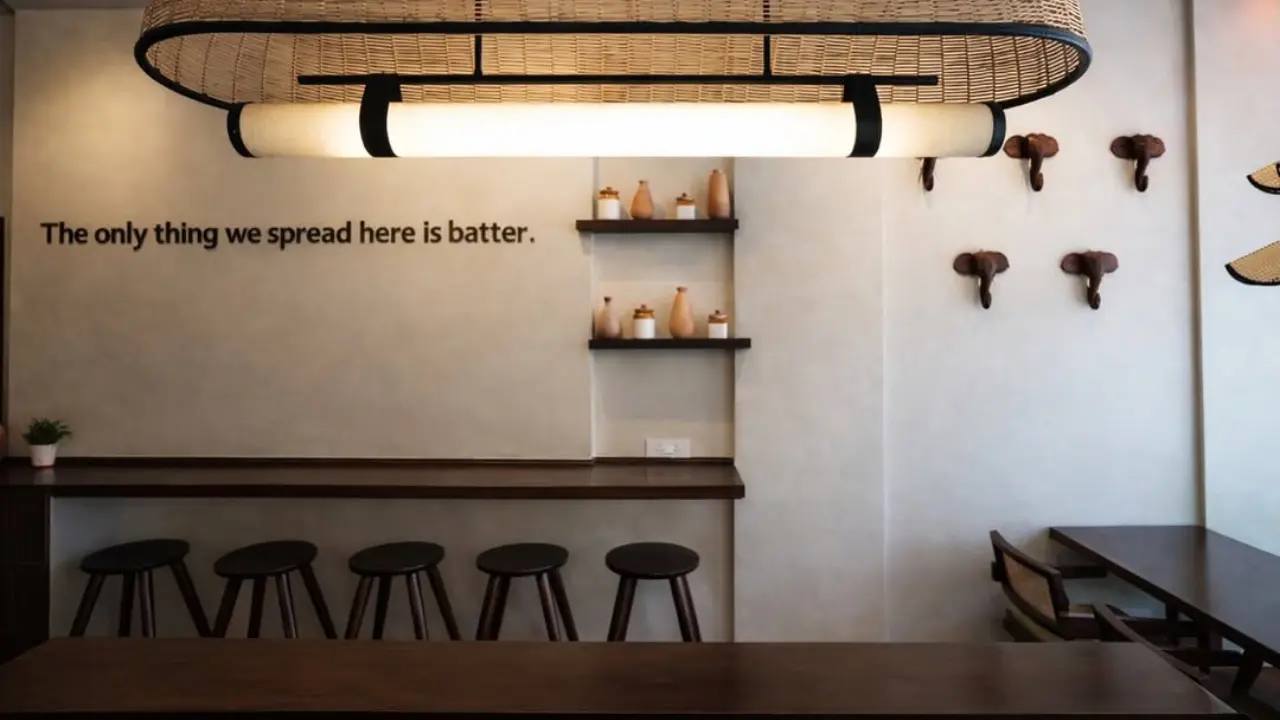
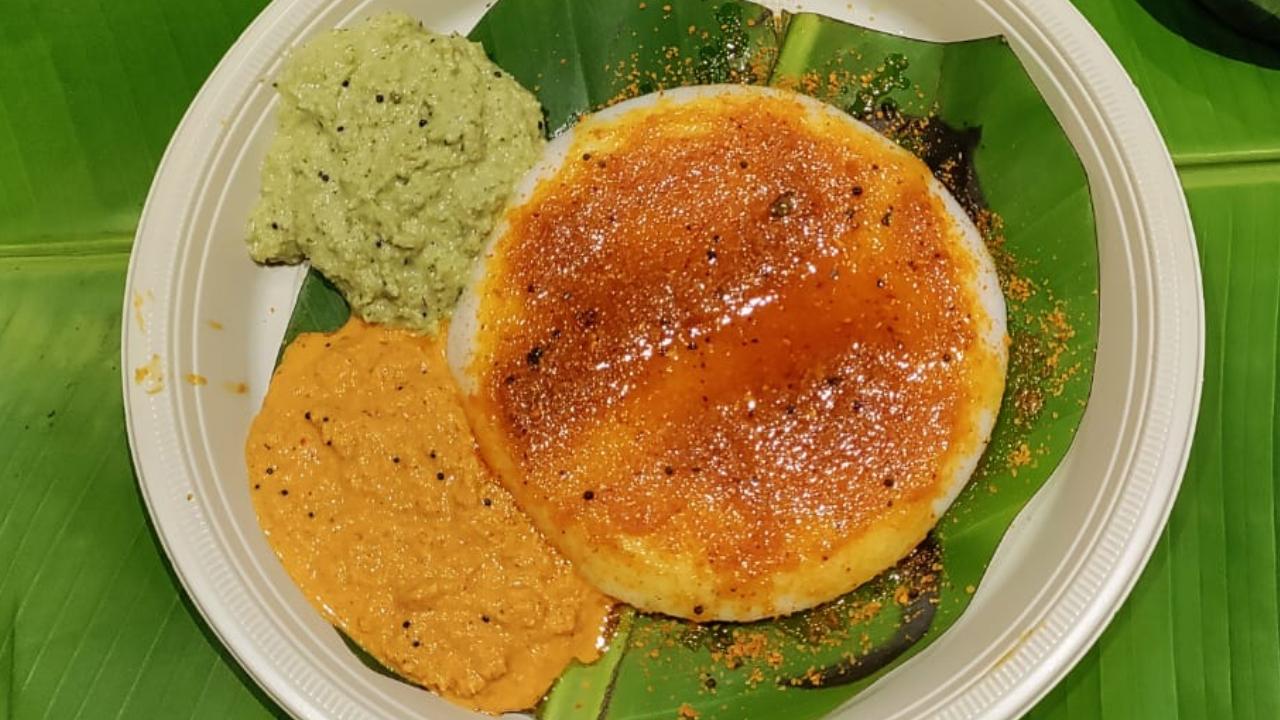
03 April,2026 03:13 PM IST | Mumbai | mid-day online correspondentSouth Indian food is all over our reels right now in Mumbai, and for all the good reasons. For a city that boasts of Matunga, a neighborhood that has been synonymous with the cuisine, March has seen quite a few new additions that are going beyond the popular locality, and people are loving it. It started with the opening of Bengaluru's The Rameshwaram Cafe in Churchgate in the first week on March 6, followed by Karnataka Tiffin Room's second outlet in Bandra on March 19 ,after their first one in Versova. More recently, Bangalore Room opened in Thane in late March. The last addition has been Benne, Heritage Bangalore Dosa, which opened its third outlet at Chowpatty in Girgaon on March 27. The eatery made the announcement on Instagram sharing, "Benne Chowpatty Soft Launch Update. We are (finally) opening doors at Chowpatty for limited hours this weekend. Friday, Saturday, and Sunday, 27th, 28th and 29th March 2026 3:30 pm-11:30 pm We are excited!" Launching amid the LPG gas crisis, the Mumbai restaurant in their social media post had added that they are operating for a limited number of hours. While it started with eight hours on the first weekend, they will now be open on April 3 from 3 pm - 11:30 pm, and April 4 and 5 from 7 am to 11:30 pm, and have said they will be informing patrons through the medium about their timings, while navigating the challenge. Even through all this, the restaurant has already seen Ranveer Singh and Deepika Padukone pay a visit in the first week. After opening in Bandra and Juhu, apart from Greater Kailash 2 in Delhi, the popular South Indian eatery opened in South Mumbai amid the LPG crisis in late March, and is already seeing long lines, just like the Bandra outlet, according to onlookers including locals. The latest addition comes almost two years since they opened in the 'Queen of Suburbs' on May 24 in 2024, before it opened in Juhu in March 2025, and in the capital city in December. Coincidentally the new outlet is among quite a few to celebrate dosa, or more particularly the Benne Dosa, apart from Bengaluru food, and South Indian food from Karnataka apart from its neighbouring states, and looks like the trend will only build from here.
03 April,2026 12:33 AM IST | Mumbai | mid-day online correspondentSouth Indian food needs no introduction in Mumbai but somehow it feels like there is reintroduction that took place in March itself after Bengaluru’s The Rameshwaram Cafe opened in Churchgate. Celebrating the flavours of South India, and more particularly bringing Karnataka cuisine to the city, even Karnataka Tiffin Room opened in Bandra, its second outlet after Versova. The latter part of March saw another South Indian restaurant open but this time, it wasn’t in South Mumbai or the western suburbs. Bangalore Room has opened in Thane, and as the name suggests, is yet another restaurant serving Bengaluru flavours in the city. The new eatery prides itself on “Bengaluru roots” and a place “Built on butter”, as per their post on Instagram. They have already got over 1,300 followers with limited social media game till now, but one that certainly looks like it is building on the buzz surrounding South Indian food in Mumbai right now. IN PHOTOS: First look of The Rameshwaram Cafe in Mumbai; here's all you need to know The restaurant, calling it casually as ‘BLR Room’, launched on March 22, and is now open from 8:30 am to 11:30 pm every day. It celebrates ‘butter’, or should we say ‘Benne’, a word that has existed for a long time but is going viral right now for Mumbaikars and has become synonymous with the so-called “new age” South Indian restaurants in the city. This makes Bangalore Room the newest entrant among a number of eateries in the city to jump on the bandwagon.Just like Churchgate and Bandra, Thane has always had restaurants celebrating South Indian food, but this restaurant intends to be more, and while that is yet to be seen, it is a reminder to Mumbaikars about how much we love South Indian food. As many say, there may be more places opening in the city, but Matunga will always be the hub, but in a city that has new restaurants serving global cuisine, South Indian restaurants are certainly having their moment in the best possible way. Popularity of South Indian food In fact, Benne Dosa has also opened its newest outlet in Chowpatty at Girgaon this March, after Bandra and Juhu, in Mumbai, and taking it all the way to Delhi, over time. If the openings are enough proof, March also saw Berlin-based electronic music collective Keinemusik visit The Rameshwaram Cafe in Churchgate during their visit to India for their performance in Mumbai on March 27. If the photos are to be believed, they were clearly enjoying their food as their ate the dosa with their hands, showcasing the beauty of Indian food.
01 April,2026 02:55 PM IST | Mumbai | mid-day online correspondentTaftoon in BKC celebrates the diverse culinary traditions of the Indian subcontinent, drawing inspiration from the regions, routes and cultures that shaped them. The restaurant’s approach often looks beyond familiar restaurant formats, focusing instead on the landscapes, journeys and circumstances that shaped how food evolved across the country. That same thinking forms the foundation of Pagdandi: a month-long food festival inspired by the lesser-seen food trails of Rajasthan. Pagdandi is a path that never appears on maps. It forms slowly over time - through footsteps across Rajasthan’s desert landscapes - linking villages, hunting grounds and settlements long before formal roads came into existence. Along these narrow trails travelled traders, shepherds and communities, and with them travelled food. The dishes that took shape here were not born from abundance but from necessity: ingredients that could endure the desert climate, cooking methods that relied on fire and preservation, and meals that could sustain long journeys across unforgiving terrain. Pagdandi draws from these lesser-documented food traditions. Instead of dividing the menu into vegetarian and non-vegetarian sections, the dishes are organised around the circumstances that shaped them: what grew despite the desert, what could be preserved for travel, what was cooked over open fires during hunts, and what was prepared when journeys ended. The menu moves through these ideas in a natural progression, beginning with From Night Fires, where dishes like Shikari Jungli Shorba reflect food cooked in camps and over open desert flames. It then transitions into From the Bazaar Paths, bringing in familiar roadside and town favourites such as Mirchi Vada and Makai Dahi Ke Kebab. The narrative continues into From the Hunting Trails, where meat preparations such as Maas Ke Soole and Khad Murg highlight cooking shaped by fire, patience and instinct. The Desert Table is where dishes like Panchmel Dal, Baati and Churma represent everyday sustenance built around grains and lentils in a harsh landscape. The menu further explores resilience through What Grew Despite the Desert, with dishes such as Ker Sangri Sabzi, Besan Gatte and Bhune Besan Ki Bhindee showcasing ingredients that endured Rajasthan’s climate. This is followed by What Was Hunted & Shared, where robust preparations like Lal Maans and Bajre Ka Soyta reflect the bold, hearty cooking styles shaped by the terrain. The experience is complemented by accompaniments of the Desert, including Lasoon Ki Chutney, Mirchi Ka Kutt, Kachri Ki Chutney and Aam Ki Launji, alongside Breads of the Millet Belt such as Khooba Roti, Missi Roti, Bajre Ki Roti and Makki Ki Roti. The journey concludes with For the Return, where desserts like Ghevar and Paan Kulfi mark the end of the meal, much like they would at the end of a long journey. Adding to the experience is a selection of traditional Rajasthani alcohol inspired by royal heritage liqueurs. Crafted in-house, these drinks draw from the flavours of desert feasts and palace kitchens, reinterpreted in a contemporary format. The Kesar Kasturi (Hot Toddy Style) is saffron-infused, aromatic and regal, while Chandr Hass (Sour Style) offers delicate floral notes with a smooth finish. Shahi Gulab (Martini Style) is floral and expressive, echoing desert gardens, and Royal Saunf (Straight Up) brings a fennel-forward profile that is cooling and digestive. “Pagdandi is not just about presenting Rajasthani dishes, but about understanding the circumstances that shaped them,” says the chef. “Much of the region’s cooking evolved around limited resources, preservation techniques and fire-based methods. Through this menu, we’ve tried to stay true to that philosophy - keeping the approach minimal, focusing on traditional techniques, and allowing the ingredients and context to lead. The idea is not to change the dishes, but to honour them as food shaped by resilience, ingenuity and necessity”. Through this month-long festival, Taftoon invites diners to follow a culinary trail shaped by desert landscapes and lived histories, where every dish carries the memory of the paths that quietly sustained life along the way Where: Taftoon, BKCWhen: April 1 - May 1Time: 12:30 pm - 11 pm Call: 022 4973 5748 for details
31 March,2026 05:46 PM IST | Mumbai | mid-day online correspondentNashik's Sula Vineyards has signed an agreement to acquire Chandon’s wine production facility and estate in Dindori in Nashik, in an attempt to pursue the company’s next phase of growth. Spread across 19 acres in the Maharashtrian city, the estate comprises a highly advanced wine production facility with an annual capacity of 4.5 lakh litres, which is scalable up to 13 lakh litres. The property also features an ultra-premium visitor centre, a banquet facility, and five acres of vineyards, offering a premium immersive wine tourism platform, while also remind people why Nashik is at the centre of wine not only in the state but also India. Sula will commence operations of the existing hospitality facilities and tasting room upon handover, ensuring continuity without skipping a beat. Additionally, the estate’s strategic location offers key advantages. It is located 20 minutes away from Nashik Airport, which is expected to see increased air traffic and enhanced connectivity ahead of the upcoming Kumbh Mela. Moreover, proximity to Sula’s existing wineries in Dindori enables seamless operational integration. Following completion, Chandon will cease wine production in India, and wines produced from the estate will be marketed by Sula under its own portfolio, with no ongoing use of the Chandon brand. Commenting on the acquisition, Rajeev Samant, who is the founder & CEO of Sula Vineyards said, “This is a once in a lifetime opportunity to acquire a truly world-class estate. When I first visited the property, I was immediately struck by its beauty and potential. The team at Chandon has built an exceptional foundation, and we are excited to unlock its full value. Dindori is widely regarded as the home of India’s finest wine grapes, and this acquisition strengthens our presence here." Samant adds that they want to build on the success of their flagship wine tourism destination near Gangapur Lake in Nashik, as the vineyard gets over 3 lakh visitors annually, and thus seeing the potential to develop another landmark destination wine resort in Dindori. Leveraging its strategic location and picturesque setting, they believe the estate will play a key role in the next phase of growth for their wine tourism business.
31 March,2026 10:47 AM IST | Mumbai | mid-day online correspondentAmid reported shortage of LPG due to the ongoing conflict in West Asia, food at the Maa Chandrika Devi Temple in Lucknow is being prepared over a wood fire for the Bhandara during Chaitra Navratri. Shivraj Singh, also known as Bhandari Baba, said, "Earlier, we used to cook the Bhandara using LPG, but due to a shortage of gas, we have shifted to cooking on wood fire. We prepare prasadam for around 1,000 devotees daily. Currently, two stoves are in use, and we are continuing this arrangement for about 15 days and will do the entire Navratri." He added that members of the temple committee have been making necessary efforts to ensure uninterrupted food service for devotees during the festival. On the eighth day of Chaitra Navratri, Devotees cross India flocked to temples to offer prayers on the occasion of Maha Ashtami during Chaitra Navratri, seeking blessings for prosperity, health, and happiness. Meanwhile, on the issue of the LPG situation, on Wednesday, the Petroleum Ministry said that the Centre is prioritising Piped Natural Gas (PNG), while noting that there is adequate petrol and diesel available and the fuel prices have not changed. Addressing the Inter-Ministerial briefing, Sujata Sharma, Joint Secretary, Ministry of Petroleum and Natural Gas, highlighted that the government is ensuring 100 per cent domestic PNG supply and has issued a notification, streamlined and time-bound framework for laying and expanding pipelines across the country, and developing the natural gas infrastructure. The Centre has conducted 2700 raids and seized 2,000 cylinders amid black marketing and hoarding of LPG cylinders. Iranian Foreign Minister Abbas Araghchi on Thursday said that they have permitted the passage of vessels for friendly countries, including India, through the Strait of Hormuz. Consulate General of Iran in Mumbai said in a post, "Iran FM Abbas Araghchi: We permitted passage through the Strait of Hormuz for friendly nations including China, Russia, India, Iraq, and Pakistan." As of Thursday, at least five vessels with their end destination in India have safely transited through the Strait of Hormuz. Two of these vessels, the Jag Vasant and Pine Gas, are expected to dock by the end of the week. This story has been sourced from a third party syndicated feed, agencies. Mid-day accepts no responsibility or liability for its dependability, trustworthiness, reliability and data of the text. Mid-day management/mid-day.com reserves the sole right to alter, delete or remove (without notice) the content in its absolute discretion for any reason whatsoever.
26 March,2026 01:36 PM IST | Lucknow | ANIMadhya Pradesh's MSME Minister Chetan Kumar Kashyap has appealed to entrepreneurs to maximise the use of the GI tag and promote Ratlami Sev products in the national and international markets. All you need to know about Ratlami Sev Ratlami Sev, a crispy fried snack from Ratlam in MP, earned the Geographical Indication (GI) tag in 2014 and it was renewed in 2024. GI tag certifies that a product originates from a specific location. It highlights a product's unique qualities, protects the authenticity of traditional goods and promotes regional heritage. Addressing the One District One Product (ODOP) summit in Ratlam on Sunday, Kashyap said, "Everyone should strive to ensure that Ratlami Sev's products are world-class, as per its reputation.""The primary objective of the 'One District One Product' scheme is to promote the district's traditional products globally through GI tag, branding and marketing," he said at the event, attended by entrepreneurs, investors and officials. Due to the Madhya Pradesh government's efforts, products like Ratlami Sev, Shivpuri's jackets, and Morena's gajak have become the state's signature products, the minister for micro, small and medium enterprises (MSMEs) said. Prime Minister Narendra Modi had also mentioned about Ratlami Sev, which has given it international recognition, he noted. Highlighting the work done to promote Ratlam's sev business and the individuals and businesses who have brought it global recognition, Kashyap said that PM Modi considers MSMEs to be the backbone of the country's economy and prioritises the development of local enterprises. Chief Minister Mohan Yadav has accelerated industrial development by prioritising recognition for local products and has simplified the industrial policy to provide a favourable environment for entrepreneurs to invest in the state, he pointed out. The minister urged entrepreneurs to come to the district and help advance the Ratlami Sev business and assured the government's support in this endeavour. On the occasion, Kashyap honoured Shailendra Gandhi, who secured the GI tag for Ratlami Sev. A digital presentation was given on the origin, development journey, and characteristics of Ratlami Sev, and participants were briefed on the historical and commercial significance, marketing and logistics of the business. Kashyap said that under the leadership of CM Yadav, rapid progress is being made towards developing industries in Madhya Pradesh. Currently, agriculture contributes 30 to 40 per cent to the state's GDP, while industry contributes 20 per cent, and efforts are underway to increase it further, he said. To promote industrial potential in the state, various regional industry conferences are being organised, inviting local and foreign investors. Through these conferences, the state's regional identity is strengthened and its industries are being developed in a multifaceted manner by attracting new industries, the minister added. This story has been sourced from a third party syndicated feed, agencies. Mid-day accepts no responsibility or liability for its dependability, trustworthiness, reliability and data of the text. Mid-day management/mid-day.com reserves the sole right to alter, delete or remove (without notice) the content in its absolute discretion for any reason whatsoever.
24 March,2026 11:22 AM IST | Bhopal | PTIADVERTISEMENT









-1775208708136_d.png "Chef Vikas Khanna. Pic/Insta")