Home / Lifestyle / Health & Fitness / Photos /
IN PHOTOS: 5 health tips for winter nutrition in Mumbai
Updated On: 15 December, 2025 11:44 AM IST | Nascimento Pinto
Mumbai is experiencing chilly weather and while that makes many happy, there is a possibility that you may ignore the nutrition needs of your body that change during this time of the year. Mumbai health experts share easy tips to follow this season



1/6

2/6
Winter foods to say yes to
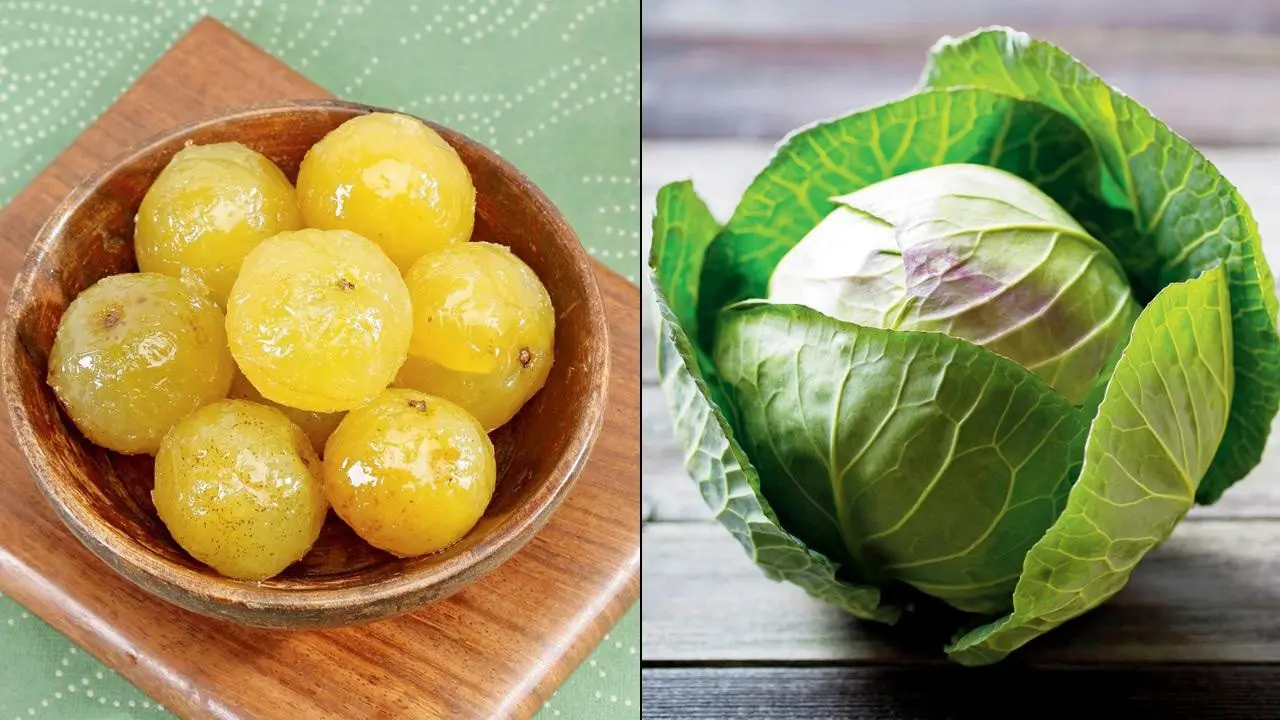
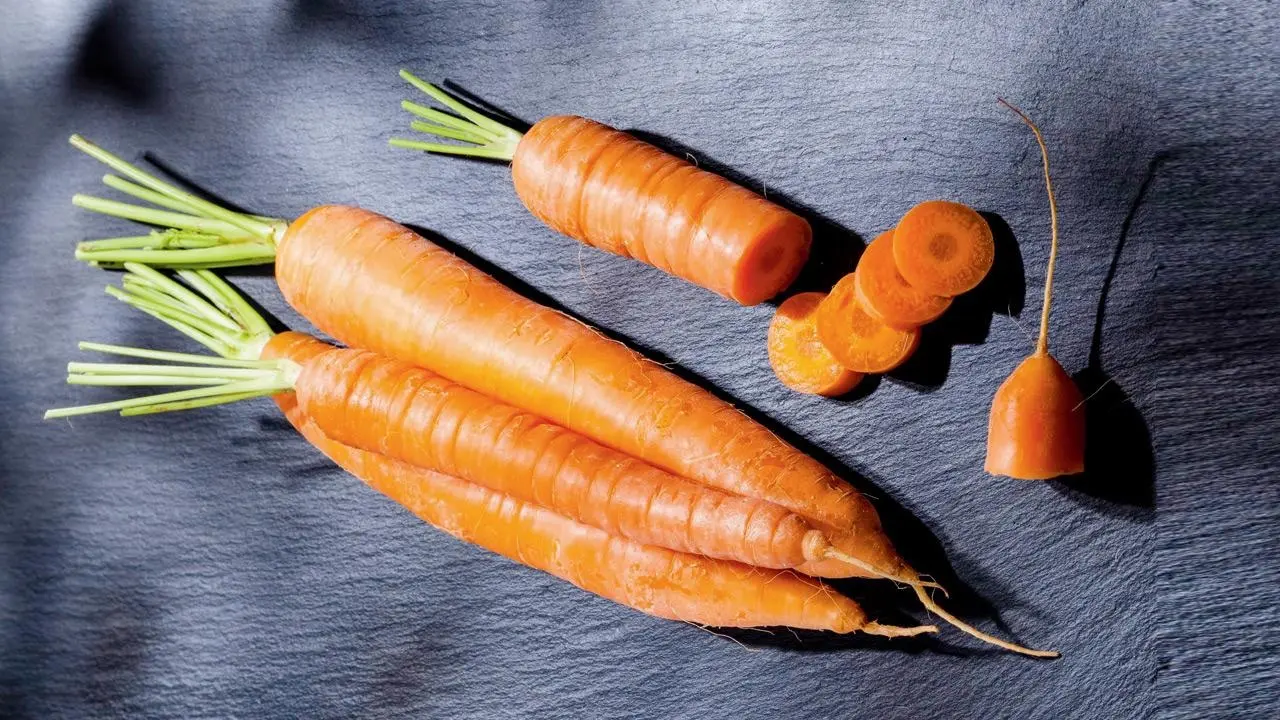
Seasonal fruits such as oranges, sweet lime, strawberries, custard apples, guava, apples, amla, and pomegranate, which are rich in Vitamin C, antioxidants, and fibre, as well as spinach, methi (fenugreek), sarson (mustard), beetroot, carrots, cabbage, green peas, cauliflower, and sweet potato
ADVERTISEMENT

3/6
What to avoid
Ignore the myth that one must eat more in winter. Warmth comes from balanced meals, hydration, and staying active. Overeating only causes sluggishness and weight gain. Fried foods, such as pakoras, don’t boost immunity but can increase inflammation. Avoid heavy, oily foods, which only add excess calories and tend to slow digestion

4/6
Healthy habits and home remedies
Simple habits make a big difference: warm water instead of cold, a teaspoon of chawanprash or jaggery after meals, ginger-tulsi tea, steam inhalation, and adding pepper, ajwain, and cinnamon to food.
A spoon of ginger juice mixed with honey helps soothe the throat, reduce cough, and enhance immunity. Consuming turmeric milk at night keeps the body warm, reduces inflammation, and helps prevent colds and throat infections
ADVERTISEMENT
5/6
Why take precautions?
Winter naturally slows digestion, increases cravings, and makes us drink less water. At the same time, infections, dry skin, joint stiffness, and fatigue are more frequent. A balanced seasonal diet helps regulate immunity, keeps energy steady, and prevents the winter slump that many people experience
6/6
Immunity boosters
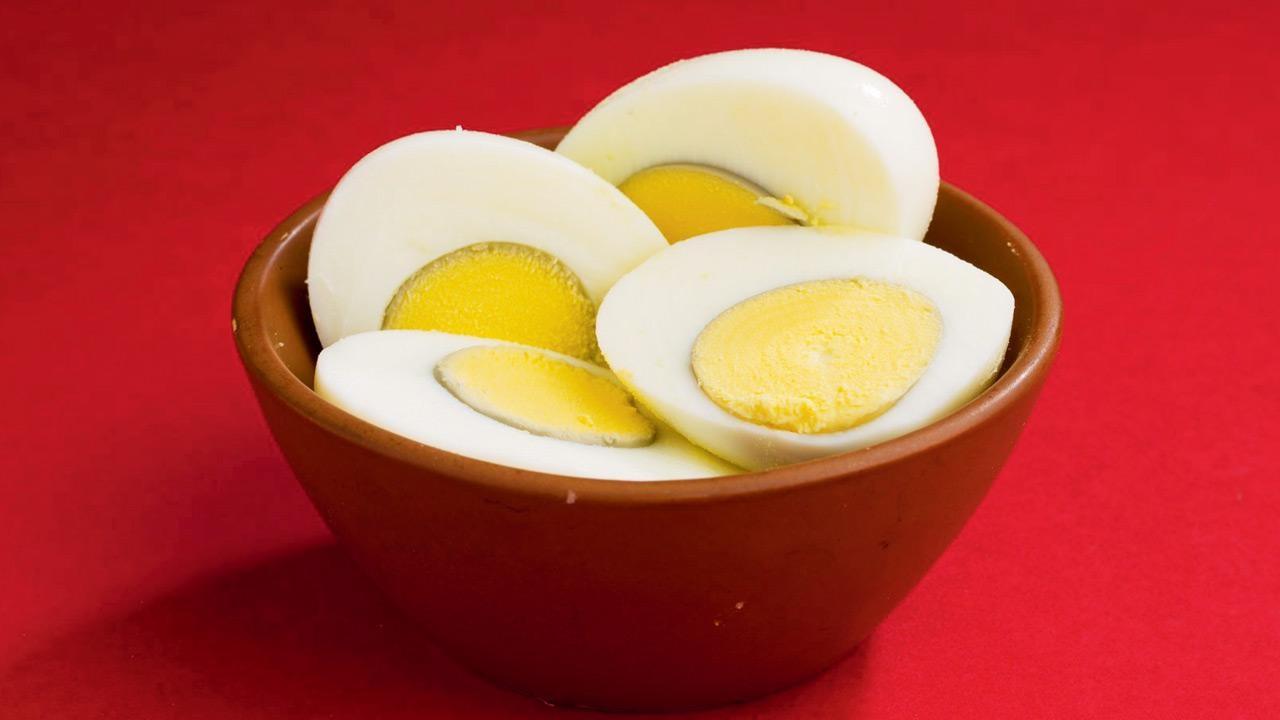
Children need warm, nutrient-dense meals with enough protein, healthy fats, and seasonal fruits. Adults should focus on balanced meals with whole grains, vegetables, lean protein, and hydration to maintain energy and prevent fatigue.
Senior citizens need softer, easy-to-digest foods, adequate protein, calcium, and warm fluids to support immunity, digestion, and joint health. Adding spices like ginger and turmeric helps improve digestion and immunity
ADVERTISEMENT
ADVERTISEMENT
Photo of Day

Global AI leaders join PM Modi in a bid to push for a smarter, inclusive future
PM Narendra Modi joins hands with Google CEO Sundar Pichai, OpenAI CEO Sam Altman, and others during the India AI Impact Summit 2026, in New Delhi. PIC/PTI
ADVERTISEMENT