Home / Lifestyle / Health & Fitness / Photos /
IN PHOTOS: Regularly consume foods with high oil and sugar content? Here are 4 ways it may affect your health
Updated On: 18 July, 2025 11:55 AM IST | Raaina Jain
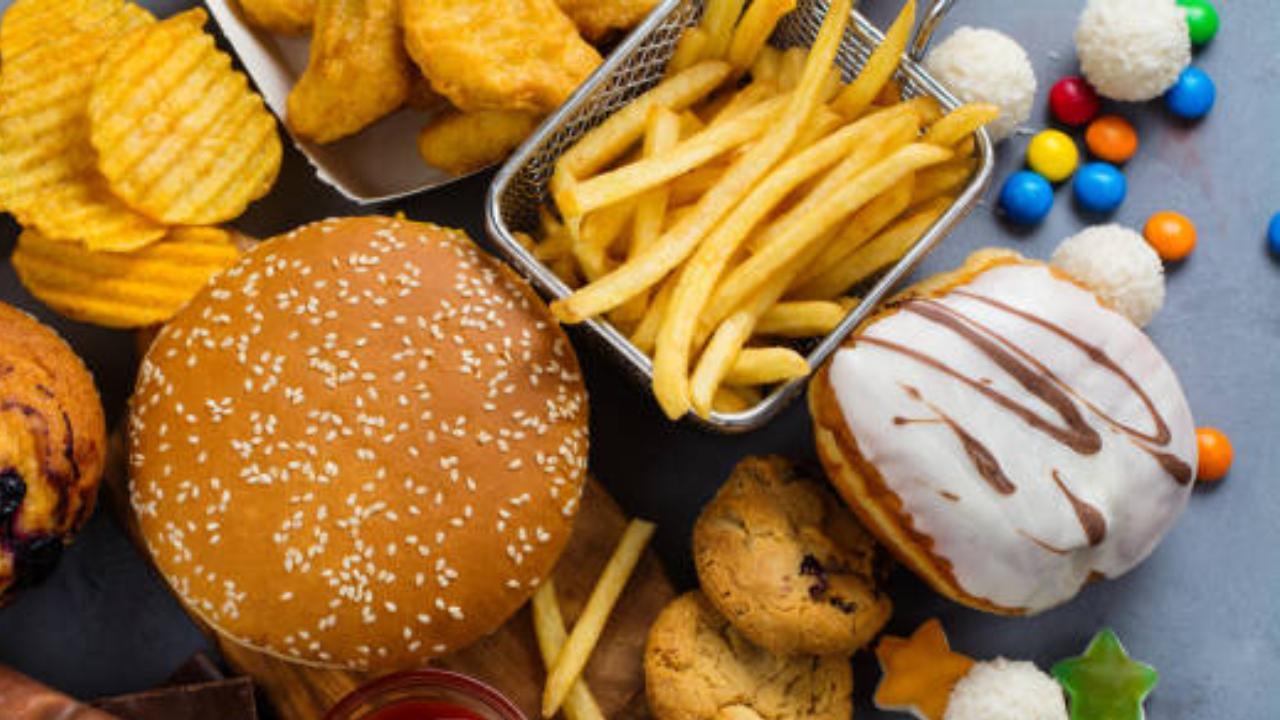
Fast food items and snacks like pizzas, samosas, burgers, vada pavs as well as soft drinks and pastries may keep your taste buds happy, but they aren’t exactly health-friendly. The Union Health Ministry recently issued an advisory urging government departments and offices, and public institutions to install ‘Oil and Sugar Boards’ in common areas, displaying key information about hidden fats and sugar content in popular food items. The Central Board of Secondary Education (CBSE) had issued a similar directive for schools in May this year (Representational Images/iStock)



1/6

2/6
Obesity
Obesity is a very common and direct consequence of consuming foods high in oil or sugar content. Mumbai-based bariatric surgeon Dr Aparna Govil Bhasker explains, “High-fat and high-sugar foods are calorie-dense but low in nutrients, leading to excess calorie intake without providing satiety. Over time, routine consumption of these foods can cause weight gain and increase in visceral obesity.”
ADVERTISEMENT

3/6
Metabolic issues
Excessive consumption of high-sugar or high-fat foods may lead to insulin resistance and high body fat, which can further contribute to metabolic issues like type 2 diabetes, heart disease, cholesterol-related issues, fatty liver, etc.
4/6
Cardiovascular diseases
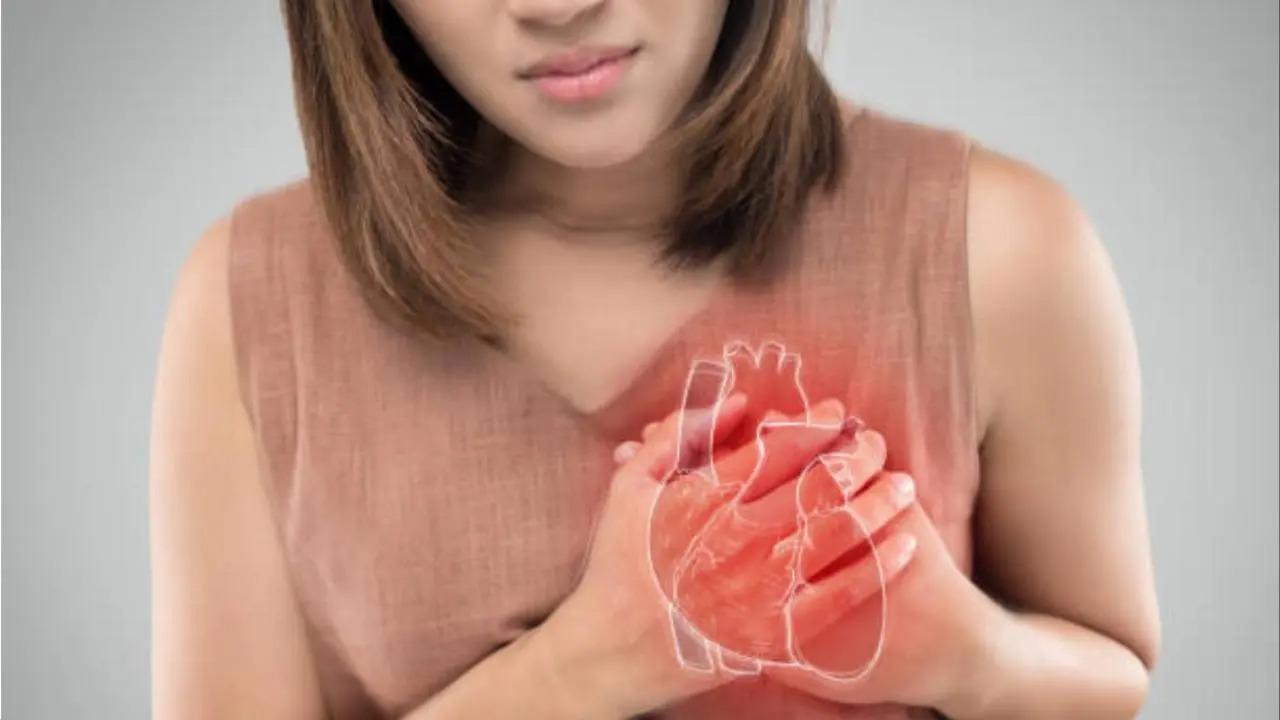
Your heart is also not protected from the adverse effects of consuming such food items regularly. “Rise in bad cholesterol levels and blood sugar, and weight gain caused by regular consumption of these foods can put excessive pressure on the heart. It is like feeding your body empty fuel that clogs your engine. Over time, this can cause blocked arteries, high blood pressure, and even, heart attacks,” warns Dr Parin Sangoi, interventional cardiologist at Wockhardt Hospitals.
ADVERTISEMENT

5/6
Cellular damage
Refined or processed sugar has various harmful effects. Mumbai-based nutritionist Dhvani Shah says, “High consumption of such foods may cause cellular damage. Cells degenerate faster, as a result of which the body breaks down faster than it is repaired and goes into a disease state.”
6/6
Moderation is key
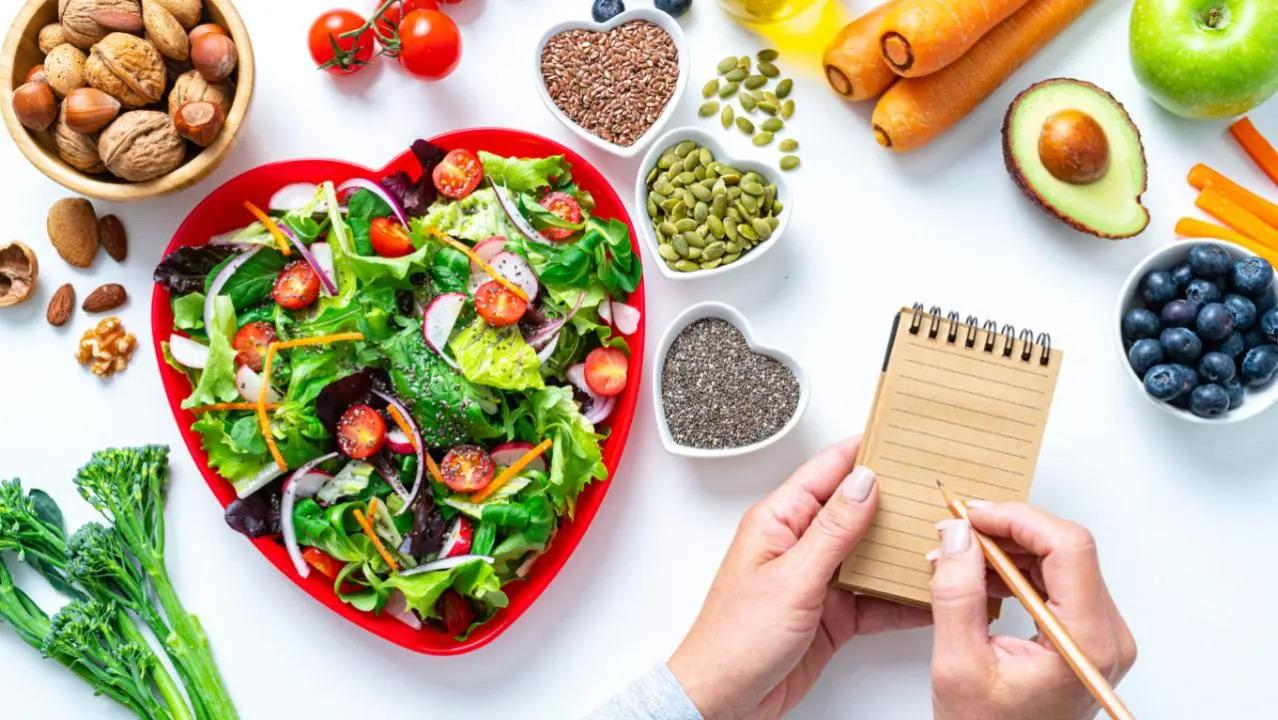
Health experts stress on moderation, advocating for healthier options. “For example, pizza is high in fat and loaded with calories. However, if made with a healthy multigrain thin-crust base, lots of veggies, and less cheese, it can be nutritionally better,” suggests Rajeswari V Shetty, HOD – Dietetics at SL Raheja Hospital.
Some healthier snacking items include fruits, dry fruits, curd, roasted makhana and roasted chana.
Read full story: Think before you snack: Why knowing oil and sugar content in the food you consume is important for your health
ADVERTISEMENT
ADVERTISEMENT
Photo of Day

Global AI leaders join PM Modi in a bid to push for a smarter, inclusive future
PM Narendra Modi joins hands with Google CEO Sundar Pichai, OpenAI CEO Sam Altman, and others during the India AI Impact Summit 2026, in New Delhi. PIC/PTI
ADVERTISEMENT