










Long before they appeared in cinema, dinosaurs inhabited what is now Thailand. The Korat Plateau in the northeast is one of the region’s most significant fossil zones, offering discoveries that continue to reshape scientific understanding of prehistoric Asia
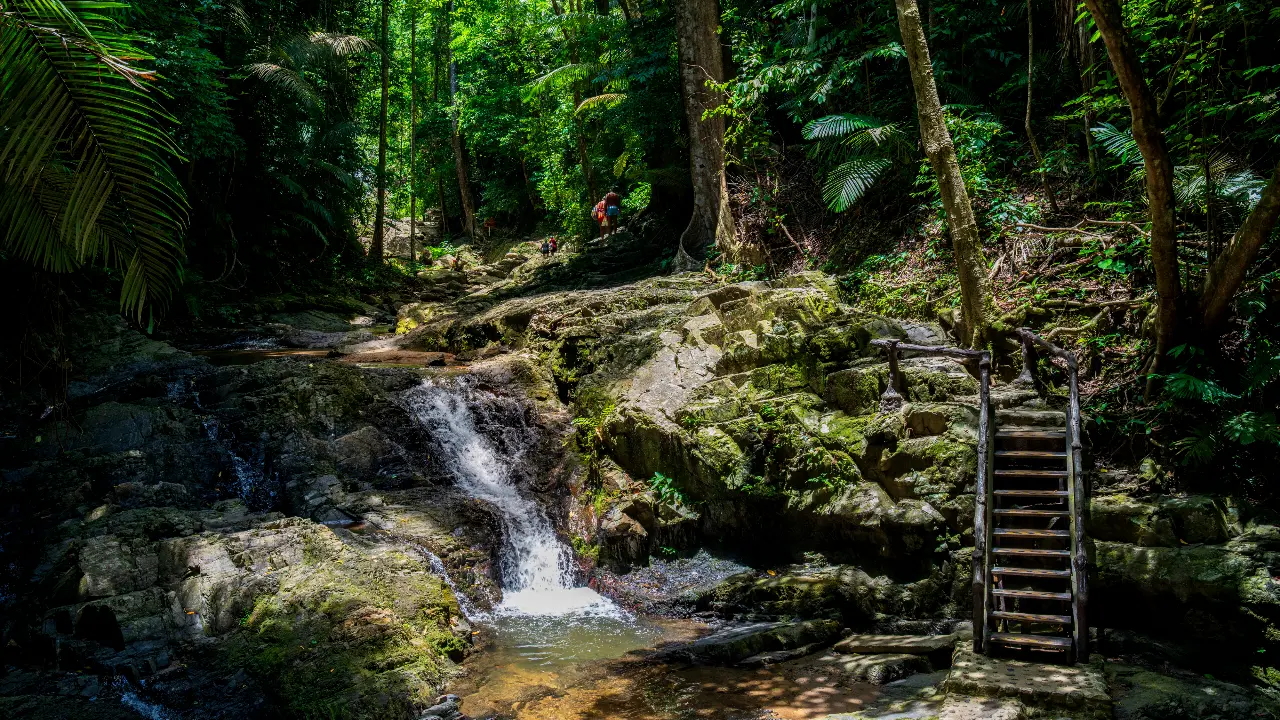
Thailand’s fossil record is helping scientists reconstruct ancient ecosystems and understand dinosaur evolution in Southeast Asia. Photo Courtesy: File pic
Hollywood has showcased dinosaurs in so many different ways for a long time, and that has made people curious about the creatures that have for so long fascinated us.
With Jurassic World Rebirth releasing earlier this July, the interest around dinosaurs has been renewed but only this time it is because of the colourful landscapes of Thailand.
Long before they appeared in cinema, dinosaurs inhabited what is now Thailand. The Korat Plateau in the northeast is one of the region’s most significant fossil zones, offering discoveries that continue to reshape scientific understanding of prehistoric Asia.
Khon Kaen
Thailand’s first dinosaur fossil—a sauropod femur—was discovered in 1976 at Phu Wiang. Later finds include Phuwiangosaurus sirindhornae, a long-necked plant-eater named in honour of HRH Princess Maha Chakri Sirindhorn, and Kinnareemimus khonkaenensis, a bird-like dinosaur. Nearby Nam Phong has produced spinosaurid teeth and vertebrae dating back over 110 million years. These discoveries are showcased at the Phu Wiang Dinosaur Museum, located within the fossil-rich Phu Wiang National Park.
Getting there: Khon Kaen is served by flights, trains, and buses from Bangkok and other major Thai cities. The Phu Wiang Dinosaur Museum is about 80 km from Khon Kaen city and can be reached by car or guided tour.
Kalasin
A new tyrannosauroid species, a distant relative of T. rex, was uncovered here. The province is also home to key fossil exhibits of species discovered in the region and beyond—including Psittacosaurus sattayaraki, Siamosaurus suteethorni, and specimens of Phuwiangosaurus sirindhornae. The Sirindhorn Dinosaur Museum and the Phu Kum Khao Dinosaur Site, located in Sahatsakhan District, are major centres for research and public education.
Getting there: Kalasin is around 70 km east of Khon Kaen and is accessible by car or local bus. The Sirindhorn Dinosaur Museum and Phu Kum Khao Dinosaur Site are well signposted and easily reached from the town centre by road.
Large statue of Phuwiangosaurus sirindhornae outside the Sirindhorn Dinosaur Museum building in Kalasin in Thailand
Colorful statue of Siamosaurus suteethorni with sail-like spine, displayed in a fountain at the Sirindhorn Dinosaur Museum
Lifelike Tyrannosaurus rex statue surrounded by tropical foliage at Sirindhorn Dinosaur Museum in Thailand.
Travel tip: Northeastern fossil route
These three provinces are all located on the Korat Plateau and form a compact, travel-friendly loop through Thailand’s dinosaur country. Starting in Khon Kaen, visitors can move east to Kalasin and then head southwest to Chaiyaphum, making it possible to explore all major fossil museums and dig sites in a single road trip or multi-day tour through northeast Thailand.
Additional fossil regions
While Khon Kaen and Kalasin lead the way, several other provinces also contribute to Thailand’s palaeontological record:
1. Chaiyaphum: Part of the fossil-rich Khorat Plateau. While less prominent, the area continues to yield Mesozoic-era remains, including rare crocodilian fossils.
2. Nakhon Ratchasima: Discoveries of sauropod bones and ancient turtles.
3. Ubon Ratchathani: Fossils of large herbivorous dinosaurs, prehistoric fish, and crocodilians.
4. Loei: Fossilised remains of fish and early reptiles.
5. Nong Bua Lamphu: Dinosaur remains from the same basin as Phu Wiang.
6. Phitsanulok: Rare northern site with crocodile and prehistoric animal fossils.
7. Tak & Kamphaeng Phet: Fragmented teeth and bones under study.
Southern fossil finds
Although the northeast is Thailand’s fossil heartland, the south has also revealed important prehistoric remains: Krabi – A sauropod vertebra and Jurassic-era amber were unearthed in the Khlong Min Formation, Khlong Thom District—marking southern Thailand’s first known dinosaur fossil. These finds provide valuable insight into the region’s ancient ecosystems.
Why it matters
Thailand’s fossil record is helping scientists reconstruct ancient ecosystems and understand dinosaur evolution in Southeast Asia. These discoveries have led to the naming of new species, public museums, and increased global interest in Thai palaeontology.
 Subscribe today by clicking the link and stay updated with the latest news!" Click here!