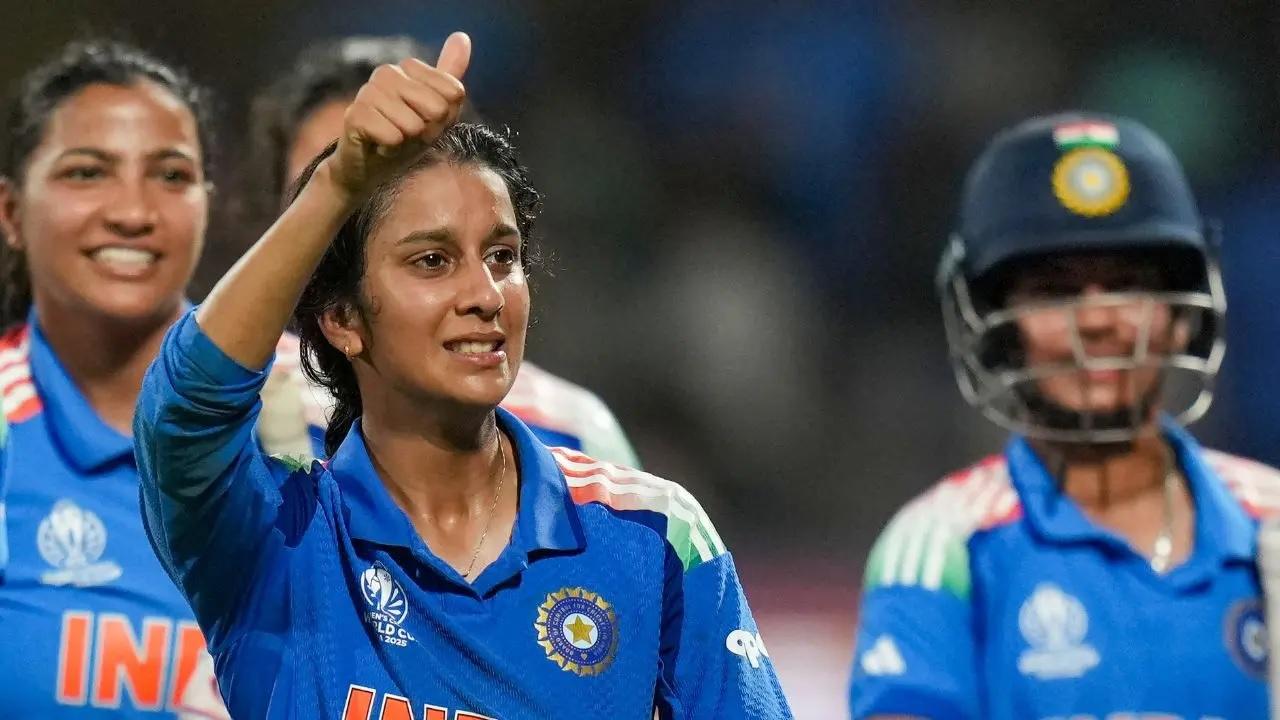
Former India hockey captain Viren Rasquinha and the youngest player in the India’s women’s cricket team, Jemimah Rodrigues, bond over Bandra, and living the dream of representing India

The duo bond over their love for sport while indulging in wholesome pasta and sandwiches at the Nutcracker in Bandra. Photo Courtesy: File pic
There’s a twenty-year age gap between our two interviewees. But it doesn’t hamper a free flowing conversation between Viren Rasquinha and Jemimah Rodrigues. Rasquinha keenly listens to the cricket journey of Rodrigues, who arrives at the Bandra eatery straight from a practice session and will head out to Vasai for an outreach programme post the interview.
That Rodrigues first started as an under-17 hockey player for Maharashtra and later, Mumbai, serves as a common ground for both. “She wouldn’t remember it but I have seen her play hockey in school at a rink hockey tournament I organise every year,” Rasquinha tells us, sipping on fresh mint lemonade .
The duo bond over their love for sport while indulging in wholesome pasta and sandwiches at the Nutcracker in Bandra.
What made you pick cricket over hockey?
Jemimah: I love hockey. I want to play hockey too but I don’t get the time as I am continuously on tour. There was a time when I played both, but I reached a higher level in cricket than hockey. It was a difficult choice as I wanted to play both.
Viren: I too played football for Mumbai before hockey. My first love is football. But I reached a better level in hockey. Also I wanted to play in the Olympics and the Indian football team didn’t qualify for the Olympics at that time. I love all sports; I have played hockey, football, cricket, hide-and-seek, everything at gully level.
How does it feel to play for the country?
Jemimah: It’s the dream of every child, when I picked up a bat or the hockey stick, it was my dream to play for India, and I can’t believe that I am living it. Standing in the stadium when the national anthem plays gives me goosebumps. The whole country is watching.
Viren: Very few can live their dream. For me, to captain India, to play at the Olympics and win a medal were my dreams, the first three got fulfilled. I still remember the moment when I captained India for the first time; it was an India-Pakistan test series in Chandigarh with 40,000 people in the stadium. It was an amazing feeling. When we walked into the stadium for the first match at the 2004 Athens Olympics against Holland, the whole stadium stood up for the anthem; it was something. People don’t see that it takes 10 years of hard work to reach there. You fail so many times before you taste success; it teaches you a lot. But what I couldn’t do as a player, I want to help the next generation of athletes to achieve it with Olympic Gold Quest [Rasquinha is the CEO of the organisation that works with athletes such as PV Sindhu, MC Mary Kom and Saina Nehwal]. I want to ensure that today’s athletes don’t face the problems that I faced. To win an Olympic medal, we need better coaching, training facilities and support staff.
Dhara [to Viren]: How long will it take for India to increase the medal tally at the Olympics?
Viren: The aim should be to be in the top 10 countries, with a target of winning 10 medals. If we are lucky and prepare well, it is achievable in the next Olympics.
Dhara: What hurdles did you face?
Viren: The first time when I went for an under-14 national level tournament, it was called the KD Singh Babu tournament in Lucknow. I wasn’t at all prepared for the January winter, I had never gone out of Mumbai in winter. We had eight reservations for twenty people. I had just carried one sweater, and for 14 days, I must have worn five or six T-shirts. Eighteen of us stayed in a classroom under the stadium. You have got to struggle for all Olympic sports, things are better now though.
Jemimah: Facilities in hockey weren’t that great when I started too. When we had our state matches, we just had four reserve seats and 18 would travel on that. We used to take days to reach, and had very large kit bags. Hockey is our national sport, but we don’t get as many facilities as we do in other sports. When I started playing cricket, we didn’t have any nets for girls. So I played with my brothers. But practising with boys was a blessing in disguise. I got to improve my game even more, because if you hit a boundary to a guy, they will bowl harder because you are a girl.
Did Bandra play a role in your career?
Viren: I was lucky that my school, St Stanislaus, has a big ground that exhibits a culture of hockey and football. My coach, Marcellus Gomes, was an Olympian. Had that not happened, I wouldn’t have played for India. My parents always encouraged me.
Jemimah: We moved to Bandra when I was seven as commuting from Bhandup by train every day was strenuous. I played hockey because my school supported it, and our pastor’s daughter used to also be in the team, so he encouraged me too.
Warm Lebanese sandwiches, penne arrabbiata and hummus avocado toast arrive.
Viren: Wow, I have ordered a lot. I really like their hummus and pita. The Lebanese sandwich is my favourite from the order. Do you want to have a dessert, Jemimah?
Jemimah: I’ll have the blueberry cheesecake. Once a week I keep a cheat day, and today is one of them [grins]. I love the pasta.
Do you find time to eat out in Bandra?
Jemimah: I tour a lot, but when I am at home, I head to Carter Road promenade with my brothers and cousins for the shawarmas.
Viren: I drop by Bandra Gymkhana with my family. I also like Salt Water Café. My wife and I like doing Sunday breakfasts. We either go to Suzette or Eat Around the Corner. We also go to Madras Cafe and Cafe Mysore in Matunga.
Dhara: Should cricket be included in the Olympics?
Jemimah: It will encourage more to pursue it, as the Olympics is the biggest stage in sport. It will give us the motivation to work harder and win the gold.
Viren: I am not too sure on this. Cricket does not have a tradition of being an Olympic sport. It’s like football; everyone remembers who won the World Cup, not the Olympics.
Dhara: What do you feel about cricket being the most followed sport in India?
Viren: My thoughts vary. From the management side, we have lessons to learn. They do a wonderful job in marketing the sport well. Look at the quality of infrastructure and support staff. We crib too much; rather than going with a begging bowl to corporates we should go with a plan and the right people to execute it. Look at the league matches; it’s a great opportunity for young players to play with big names.
Jemimah: IPL has given a great opportunity to young players; even ones who would just be called to bowl in the nets. We need a women’s league too though.
Subscribe today by clicking the link and stay updated with the latest news!" Click here!