On World Parkinson’s Day (April 11), Kathak Rockers, led by dancer Kumar Sharma, will host a workshop that explores Kathak as a form of movement-based therapy. Designed to engage, the session focuses on how classical dance can support people living with Parkinson’s. “The workshop will highlight how Kathak works as a positive mind and body exercise for people with Parkinson’s,” emphasises Sharma. He further explains that the structured rhythm of the dance plays a crucial role in physical and motor improvement. Mona Ambegaonkar and Bhumika Mane from Still Dancing Movement set to music also acts as an external cue, making it easier to initiate and regulate motion. Repetition of sequences keeps the mind active, while expressive elements such as abhinaya encourage facial movement and communication. “Multitasking helps, even a very basic sequence like ti ka ta di ga na dha, or footworks like 1-2-3-4-5, helps their speech and body and mind,” Sharma reiterates. The workshop will begin with participants learning a short Bollywood Kathak fusion choreography. This will be followed by a lecture-demonstration by Dr Vonita Singh, founder of Movement Mantra, who will speak about the therapeutic benefits of dance for Parkinson’s patients. Reflecting on the emotional and mental challenges associated with the condition, Sharma notes, “Parkinson’s as a disease enters your life abruptly; it has no particular cues, and sometimes, people don’t really know how to deal with it along with the denial that comes with it.” Dr Singh, whose father lived with Parkinson’s, emphasises the importance of movement-based practices. “Tatkar (the foundational rhythmic footwork in Kathak, translating the dance syllables into sound through ankle bells) helps the mind and body, especially through training your muscle memory as the dance is planned which in modality helps the person,” she says, referring to the footwork in Kathak. ON April 11; 11 am to 1 pmAT Adhbhut Collective Arts, Aram Nagar, Versova.CALL 8130100821COST Rs 1800 Still Dancing Following the workshop, Movement Mantra and Third Half Theatre will stage Still Dancing, a play written and directed by Sanjeev Dixit and produced by Dr Vonita Singh. “The play has somewhat taken inspiration from the life of Vonita herself, and looks at the mistakes we make and the problems those around us create,” says Dixit. “The idea was to present a person who feels trapped in a cage — while being the same from within.” Sanjeev Dixit and Dr Vonita Singh To this Dr Singh adds, “The biggest mistake we made with my father was that we ended up babysitting him, whereas we should have allowed him to move.” The performance aims to spark reflection on caregiving, independence, and the importance of movement in living with Parkinson’s. ON April 12; 6.30 pm; April 13; 8 pm onwardsAT Royal Opera House, Mama Paramanand Marg, Charni Road (April 12); Rangshila Theatre 1st Floor, 72/A Ground Floor, Aram Nagar Part 1, Versova. (April 13) LOG ON TO in.bookmyshow.com COST Rs 350 (for both)
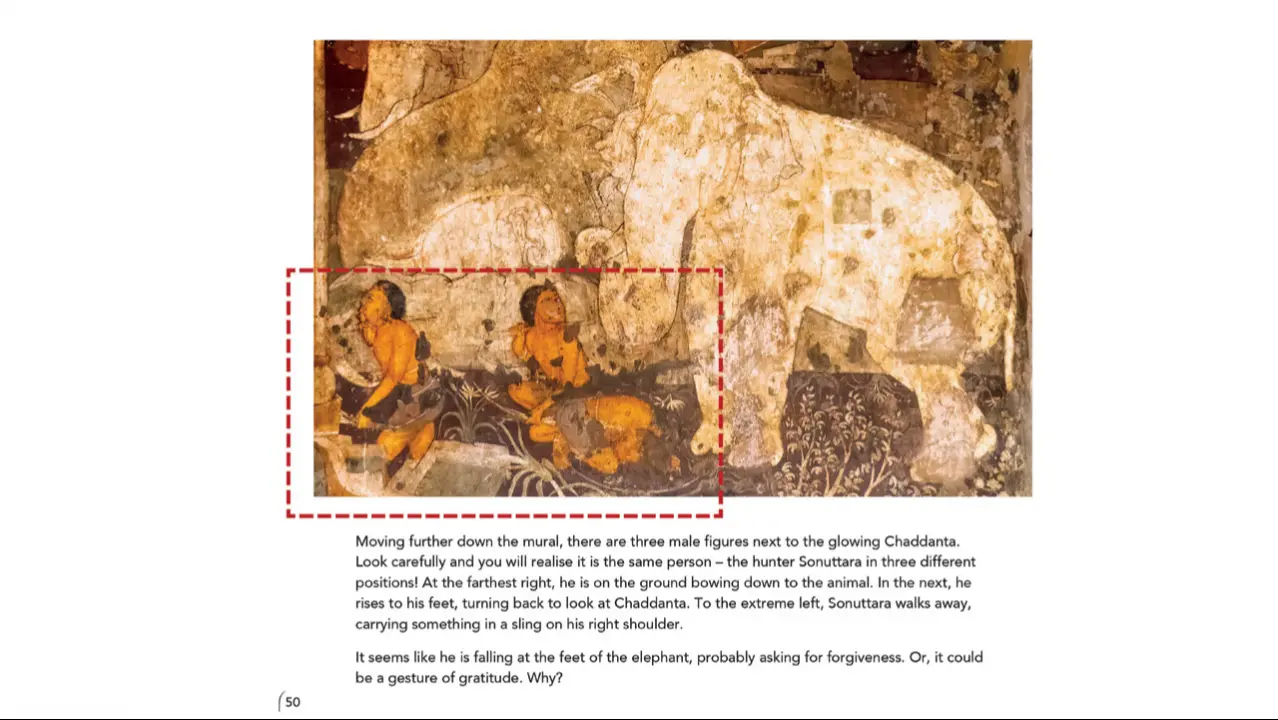
10 April,2026 09:47 AM IST | Mumbai | Rumani GabhareStanding for two millennia, in the city of Chhatrapati Sambhajinagar (formerly Aurangabad), are the man-made Ajanta Caves. We learn in Magnificent Murals: Buddhist Art of Ajanta (Tulika Books), written by Ashwin Prabhu, that during the monsoon season, the caves offered shelter to the travelling Buddhist monks. Before they were built, the monks would wait in the natural hollows for the rain to subside. The line drawing makes it clear that he’s carrying a tusks. Pics courtesy/Tulika Books Prabhu outlines, with clarity, all that readers must know about this historic wonder: when the caves were built, the different kinds of structures, the stories that the paintings tell, the oral instructions on conduct for monks, and a detailed account of the life of Buddha through the murals. Ashwin Prabhu One of the most interesting segments in the book is its illumination of the varying styles of the paintings. The differences emerged as they were completed in two phases separated by 400 years. We find out about the murals in the chaityas of caves 9 and 10 and the damage they’ve endured, being the oldest ones at the site. Interestingly, the newer murals form a zigzag pattern, instead of a left-to-right chronology. The line drawings alongside old murals help us make sense of the stories that have faded now. Further, the photographs of the sculptures and paintings captured by Srinivasan Krishnan Rajagopalan entice us to book a ticket to visit this architectural marvel. On April 12 (author talk); 11 amAT Chhatrapati Shivaji Maharaj Vastu Sangrahalaya, Mahatma Gandhi Road, Fort. Log on to @csvmvmumbai
10 April,2026 09:42 AM IST | Mumbai | Nandini VarmaAicha by Outlandish Before the terms ‘woke feminist’ and ‘girl boss’ were thrown around, this song came closest to celebrating the unsung women of the world. Don’t make me wait by Sting and Shaggy This unlikely duo who popularised two distinct genres come together to create magic with this track. We loved the accompanying video when it was released in 2018, as part of the Caribbean-laced album ‘44/876. The vibe is holiday-esque. Just the kind of a music oasis we need in muggy Mumbai. Break’n a Sweat by Skrillex and The Doors Hard rock meets dubstep in this track that helped us power through today. The behind-the-scenes snippet where the OG rockers navigate new-age music is a treat. One Dance by Drake Albeit a decade old now, it still feels instantly familiar. When it first came out, it played almost everywhere, in cars, clubs, and cafes, until it became part of everyday life. Wahdon by Fairuz This soft song is intensified by Lebanese poet Talal Haider’s lyrics about his brief encounter with three army men who were martyred in occupied Palestine.
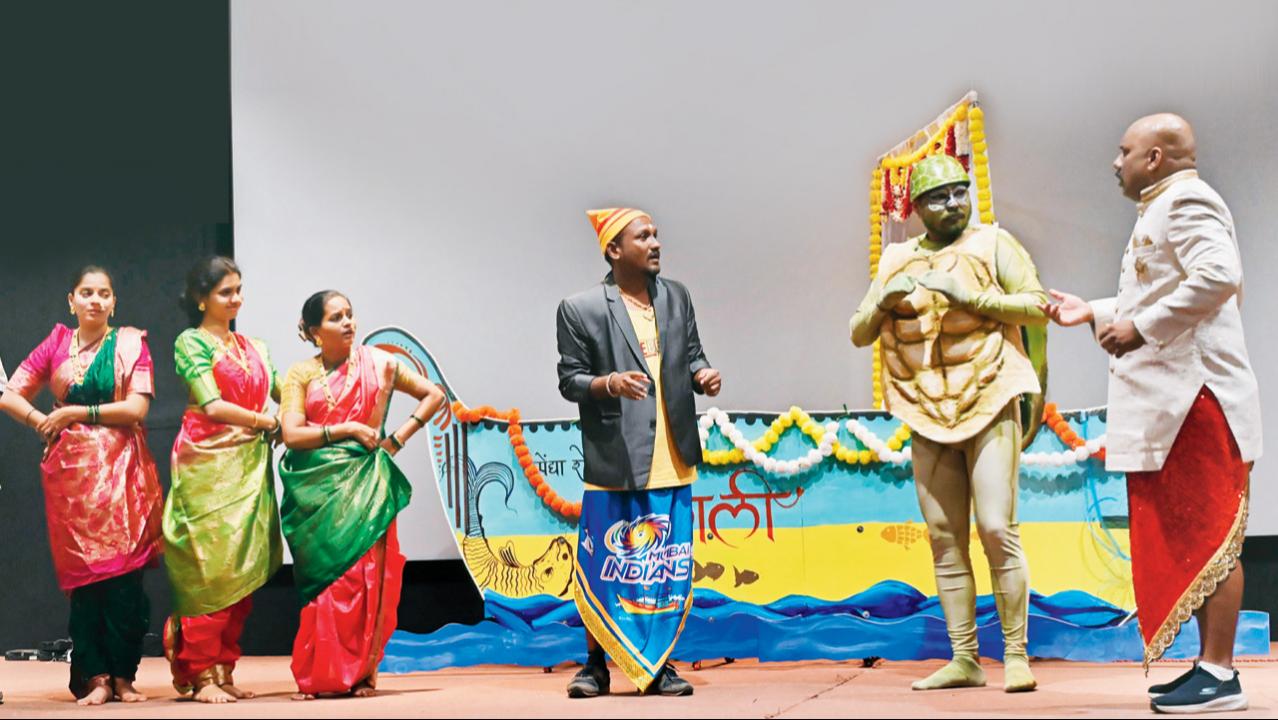
10 April,2026 09:41 AM IST | Mumbai | The Guide TeamAn Olive Ridley turtle strutting on two legs, wielding a selfie stick and vlogging his day in a distinct Konkani dialect. No, we’re not recalling a fever dream. That’s exactly what we witnessed at the rehearsal of Sangeet Kurmakhyan at the Veermata Jijabai Bhosale Botanical Udyan and Zoo on Wednesday evening. Conceptualised by Vanyavani Foundation and directed by Makarand Sawant, the play featuring artistes from Mumbai, Thane, Konkan, Vidarbha, and beyond is all set to premiere at the Velas Turtle Festival this weekend. Olive Ridley turtles in Velas. FILE PIC/SATEJ SHINDE “While wildlife documentaries work really well in rural areas, the visuals often entice the viewer so much, the message becomes secondary,” says Sawant. The new play, supported by the Mangrove Cell, Mumbai Zoo, and independent researchers, is rooted in folk Vyakhyan, Powada, and Bharud traditions to strike a chord. Gen Z viewers need not fret, we can assure you there are enough ‘viral’ references to keep you hooked. Makarand Sawant Sixth in a series of wildlife plays supported and launched by the Zoo, we’re informed that the play will soon be presented in Mumbai after the Konkan campaign. Seated next to us, Dr Sanjay Tripathi, director of the zoo, adds an optimistic outlook, “Nearly 80 per cent of the audience at the previous plays has been children who enjoyed learning something new.” ON April 11, 18AT Velas and Guhagar villages, Ratnagiri. LOG ON TO @vanyavanifoundation (for details) Official Speak Kanchan Pawar, Divisional Forest Officer, shares her views ahead of the festival Why bring a wildlife play to the festival?Many young children visit the festival. The play will speak directly to them, while introducing them to fading folk art forms. Please share about community conservation efforts this year.We identified hotspots and possible first-time sites. We visited fisherfolk and schools to spread awareness on handling hatchlings. To our delight, spots like Adivare saw turtles for the first time this year. How does the future look for the turtles?They’re in safe hands. Our Kasav Mitras (local network) include both first-generation conservators and their children, who have happily joined them. Meet the characters Pendya Seth and Mama The play unfolds on a pristine beach with turtle settlements that falls in the hands of this cunning duo. After renaming it Malamal Bunder, the hatching spot becomes a fancy tourist and illegal trade centre. Chakwa You haven’t met him, but you’ve seen him online. This enthusiastic vlogger is the typical ‘travel influencer’ who cares little about wildlife, and much more about followers. Kasav The star of the show delivers some timely lessons, like the distinction between turtles and tortoises, the solitary nature of Olive Ridleys, and the vital role they play in the food chain. Turtle trails Join these guided tours to witness the phenomenon in an ethical way Kasav in a scene from the play Mischief Treks Spend a day in a traditional Konkani homestay and head out to watch the turtles take their first steps. The guided-tour suits solo travellers, couples, and families.ON April 17 and 24MEETING POINT Pick-up points across MumbaiLOG ON TO mischieftreks.comENTRY Rs 3,100 (includes travel, accommodation, and food) Sahyadri Nisarg Mitra The group that pioneered Olive Ridley conservation in the Konkan belt helps tourists find accommodation and guidance through their network. The modest homestays offer shared dormitories.TILL April 26AT Velas and Guhagar villages, Ratnagiri.CALL 9423831700
10 April,2026 09:29 AM IST | Mumbai | Devashish KambleAhead of her choir showcase Footprints, 32-year-old Dawn Cordo talks to us about the labour of love that is managing an enthusiastic children’s choir. Like mother, like daughter, we’d say. After forming the choir group Glee Hive in 1990, her mother Celeste Cordo has helped many young, restless talents find perfect pitch in the neighbourhood. Celeste herself would say she learnt from the best in the business growing up. Josic Menzie, for instance — the ace violinist who became one of the first Indian jazz musicians to play at the Taj Mahal Hotel. Young choristers as young as five years old will take a walk down memory lane, and offer a window to a hopeful future through the 60-minute showcase this weekend. “Footprints translate to more meanings than one. We’re paying homage to the masters whose footsteps we follow, while reminding listeners of the footprint they leave behind for the next generation,” Cordo reminds us. ON April 12; 7 pmAT St Andrew’s Auditorium, Bandra West. LOG ON TO @thegleehive; district.inENTRY Rs 550 Echo-friendly tunes Blanche Viegas’ stellar career spanned seven decades. PIC COURTESY/VIEGAS FAMILY Staying true to the theme, the performance will double as an activity in reducing guests’ carbon footprint. A collection station at the venue will gladly accept pre-loved clothes that will be recycled by city-based recyclers, ReCircle. It’s all choir Jini Dinshaw founded the Bombay Chamber Orchestra in 1962. File pic/ATUL KAMBLE Choirs are not all about Western Classical music.Take a look at some unlikely tunes that the group has turned into choir arrangements.>> No One Is Alone: Rock ballad by Stephen Sondheim from the musical Into The Woods>>Let it Snow: A classic holiday jazz song by Dawn Cordo Dean Martin>> Shake the Papaya Down: A popular children’s song by ABC KidsLOG ON TO @thegleehive Remember me? >> Blanche Viegas>>Jini Dinshaw>>Josic Menzie>> Melville Rebello>> Ivy Fernandes 300 kgWaste collected and recycled at last year’s edition
09 April,2026 11:13 AM IST | Mumbai | Devashish KamblePopcorn Entertainment Nothing says ‘OTT promotion’ like wearing the ultimate cinema snack right on your lapel. Sai Tamhankar brings the crunch to a media event on Wednesday, while co-star Vijay Varma keeps things ‘reel’ by documenting the frenzy. Their show, Matka King, premieres next week. The Art of the cosmic call-out Be careful what you shout from the bleachers because the universe doesn’t just have ears, it has a sassy scriptwriter with a penchant for poetic justice! This evening, as the Wankhede Stadium names a stand after Ravi Shastri, we celebrate a cricketer who practically invented main character energy. Ravi Shastri Back in February 1980, while watching an India-England Test match with his Podar College mates, Shastri didn’t just enjoy the view — he claimed it. He declared that by the next Test at Wankhede, he’d be on the field. True to his word, he played his maiden Test at Wankhede in November 1981, mirroring a young Sir Don Bradman who once told his father he wouldn’t rest until he played at the Sydney Cricket Ground. Clearly, this cosmic ‘calling your shot’ is alive and well. Look at the viral clip of a tiny Vaibhav Suryavanshi in the stands, frantically cheering for Jasprit Bumrah, only to fast-forward to today where the 15-year-old is hitting his idol for sixes. Whether it’s Shastri eyeing the pitch or a kid visualising a face-off with a legend, the theme is clear: put your ambition into the universe and watch it bend to your will. A queen against compliance If there’s one thing Sushant Divgikar (aka Rani KoHEnur) won’t do, it’s take a seat — unless it’s a throne. And in a world of quiet compliance, this is exactly the thunderclap we need. On a fiery episode of InControversial with Pooja Chaudhri that dropped yesterday, the artist and activist doesn’t just spill the tea — we’re served a whole damn brewery. Sushant Divgikar aka Rani KoHEnur Addressing the “absurd” Transgender Amendment Bill on the podcast, Rani drops the ultimate logic bomb: “If it’s about me, it should not be without me.” With a Master’s in Psychology and the poise of a queen, Rani dismantles the hypocrisy of a system that “worships goddesses but oppresses daughters,” and asks why a room full of men is busy policing trans bodies while rape laws and trafficking remain “un-rectified.” The message to lawmakers? A perfectly timed, utterly unfiltered: “Are you high?” Rani also takes a moment to call out the entertainment industry’s conveniently “disappearing backbones,” taking aim at those who cash in on queer stories but go radio silent when it’s time to stand up and be counted. Because for Rani, drag isn’t just performance — it’s protest, power, and pure presence. From singing in the bathroom to the billboards of Times Square, this isn’t just one queen’s glow-up story — it’s a reminder that visibility is political, and silence is not an option. Boundaries Crossed A top-tier all-rounder, known as much for his explosive strike rate as his luxury lifestyle, appears to have lost control of the scoreboard at home. While he continues to rake in massive sponsorships and a heavy paycheque from his IPL franchise, insiders whisper that he no longer holds the keys to his own vault. The power has shifted entirely to his lady love, who has reportedly taken over his accounts with an iron fist. The situation has turned particularly sour within the family circle — word is the cricketer’s own mother has been placed on a strict stipend. No matter what the cameras capture, we hear the real game is being played in the ledger books. It’s a sad story indeed when mum has to make do with ‘pocket money,’ while the flavour of the season is busy lining her own pockets. Brunch for a star Our Easter hangover appears to be far from done, with Sunday’s shenanigans still steering the mood. And frankly, when the ever-graceful Bindiya Goswami is playing hostess, one doesn’t simply recover from a brunch — one ruminates on it. Sitara’s Easter brunch An annual fixture at filmmaker JP Dutta’s Juhu residence, Easter afternoon has always been a sentimental ode to Bindiya’s late Catholic mother. This year, however, the party pulled out all the stops, doubling as a grand debut for the tiniest star in their orbit: daughter Nidhi’s ten-month-old, Sitara. Leave it to the Dutta household to pivot from cinematic epics to a full-blown Beatrix Potter fever dream. For a family that famously skipped the ‘pet phase’ growing up, the arrival of a petting corner filled with live rabbits was the ultimate plot twist. Nidhi and husband Binoy Gandhi presided over the scene as doting parents, navigating a setting that was part-fairytale, part-fete. Nidhi Dutta Between the vintage ice cream cart and the Peter Rabbit placemats, the aesthetic was pure, curated whimsy. Eschewing the usual party favours that inevitably end up in a bin, tiny guests departed with classic Peter Rabbit books — a touch of old-school gravitas amidst the over-the-top indulgence. If this is how the Duttas do a first Easter, we can only imagine the theatricality awaiting Sitara’s first birthday. Stay tuned.
09 April,2026 11:08 AM IST | Mumbai | Sonali Velinker KamatThursdayThe world’s a stage Looking to lay your 3 am notes app poetry bare? Hooted1ce’s Beyond The Lines Open mic sets its stage just for you. Whether you want to participate or simply bear witness to the evening’s musings, this soirée is for anyone who has a passion for live poetry and music. TIME 8 pmAT Funkaar, Laxmi Industrial Estate, Andheri West.LOG ON TO in.bookmyshow.comENTRY Rs 257 FridayDiagnosis: Food coma PIC COURTESY/noa by nutcracker Cakebait is an all-you-can-eat dessert night featuring 20 desserts spread from cheesecakes, to choux and bombolini’s, and a surprise drop. Time 9.30 pm; 10.45 pmAT Noa by The Nutcracker, Fort. LOG ON TO district.in ENTRY Rs 839 SaturdayLet’s keep it casual PIC COURTESY/@Madhur Virli Madhur Virli’s fresh perspective on romantic relationships and unapologetic retellings of bedroom anecdotes have earned him a cult following. Casual-Tea promises an eccentric experience. TIME 8 pmAT Yashwantrao Chavan Centre, Nariman Point.LOG ON TO in.bookmyshow.comENTRY Rs 499 Shhh… I’m busy healing PIC COURTESY/@BODHIKRISHNAOFFICIAL The Soshio Club provides its participants a unique unwinding opportunity through sound healing and art therapy, curated by Bodhi Krishna. TIME 5 pm AT Eclipse Wellbeing-Yoga Studio and School, Krishna Heritage, Santacruz West.LOG ON TO district.in ENTRY Rs 1899 SundayA doctor’s dilemma Farokh Udwadia. FILE PIC Farokh Udwadia’s (below) The Doctor assesses the ethics of utilitarianism through the lens of a doctor who finds himself in the middle of a nation-wide reckoning forcing himself to question his duty as a medical professional responsible for saving lives.TIME 7 pm onwardsAT Experimental Theatre, NCPA, Nariman Point. LOG ON TO ncpamumbai.comENTRY Rs 200 Birding curiosities Sanjay Gandhi National Park’s (SGNP) Bird Hide provides an immersive and peaceful birdwatching experience in the green terrains of Yeoor. Whether you are a seasoned birdwatcher or a newbie exploring its rich biodiversity, this walk is the place to be.TIME 6.45 am or 1 pmMEETING POINT SGNP Bird Hide, Yeoor, Thane.Call 9325693451ENTRY Rs 300 Short and sweet PIC COURTESY/YOUTUBE Short Film Adda’s special selection of shorts is for those who keep an eye out of niche movies and budding directors. Tune into this week’s screening which will feature interesting short films like Dhan Ki Devi, Gudgudi (below), My Parents Don’t Fit and The Pissing Tale.TIME 6 pm at The Habitat, Road 3, Khar West. Log on to in.bookmyshow.comEntry Rs 200
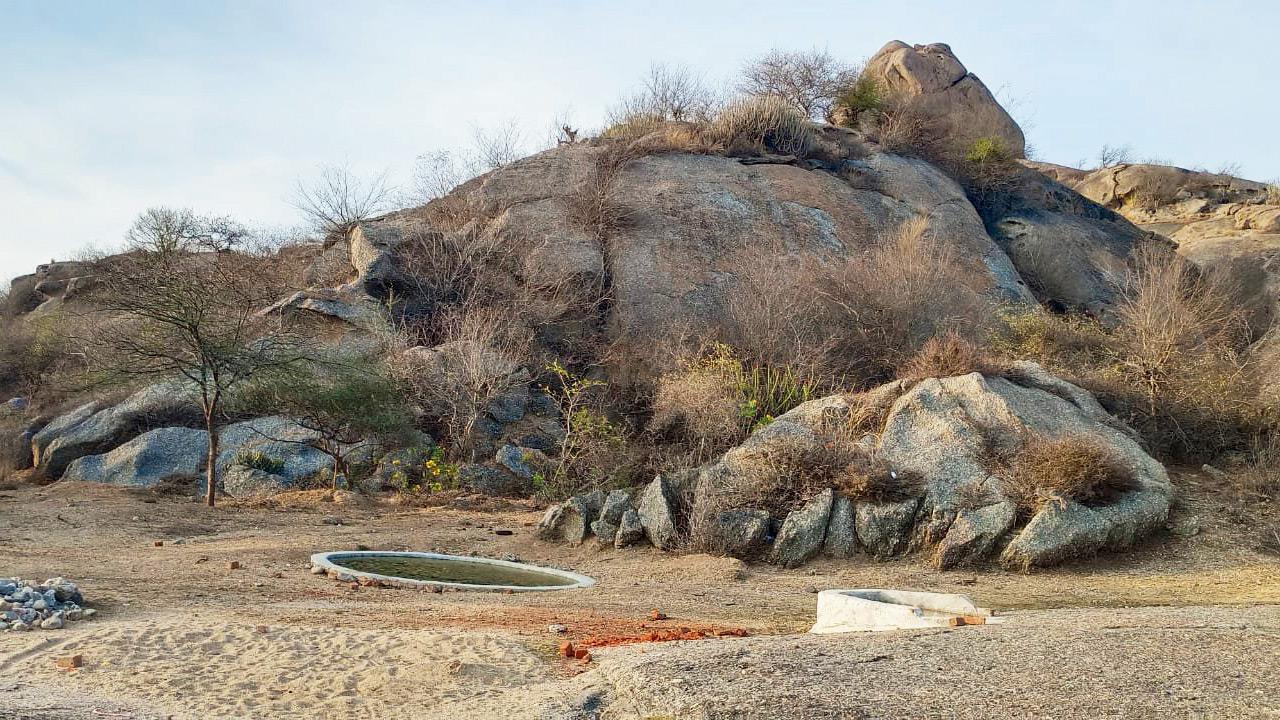
09 April,2026 11:07 AM IST | Mumbai | Saanvi BhosaleThe immediate sign of not being in Mumbai is the absence of incessant honking. It feels almost uneasy at first as we drive into the village of Narlai on a warm April afternoon. Located at the foothills of the Aravallis, adjacent to the Kumbhalgarh range, the village offers an escape to tourists looking from the familiar destinations of Udaipur, Jodhpur, or Jaisalmer. “You have to be a traveller to discover this,” our driver Kishore reminds us. The village entails 10 clusters of hamlets of communities as diverse as Jains, Mevashis, Bhils, and nomadic tribes. With education, mobility, and access, provided by the Maharaj Shri Swaroop Singh ji Charitable Trust (MSSCT), the village is keeping up with the pace of its more urban neighbours. Royal repose A stepwell reservoir on Elephant Hill The palatial haveli of the Jodhpur family, Rawla Narlai, is at the heart of this change. In 1997, the late Maharaja Swaroop Singh and Rani Usha Devi transformed this 17th Century haveli into a heritage retreat to suit the tastes of a global traveller. “We hope to create a sustainable ecosystem that enriches the village, while providing a royal experience,” admits general manager, Kripalini Singh. While the structure of the palace and the open courtyard — still used for village meetings when the royals visit — remains unchanged, there are aesthetic additions overseen by another royal family member, acclaimed designer, Raghavendra Rathore. Artefacts and sculptures left behind by villagers during theri trips to the temple. Pics/Shriram Iyengar Hidden world Conservation efforts began earnestly in 2024. We learn of 11 irrigation wells along the reserve. From wolves, to black bears, boars, and a population of 20 leopards, the diversity is surprising. The hills around the village are dotted with temples on their peaks We joined villager and conservator Bhupender Singh as they tracked a new mother, Laxmi, and her 11-month-old leopard cub. While we spotted the cub hiding in a distant crevice atop a hill, the mother remained elusive. “They are just like cats. Very introverted,” comes Singh’s reply. Different experiences For the visiting tourist, the region offers a flavour different from the usual royal experiences in Rajasthan. After all, not many villages will offer you a chance at an ancient Narlai stepwell, still in use. The six-course dinner at the stepwell features a traditional Laal Maas, Hare Pyaaz Ki Sabzi, Dal Bati Churma, and hot Bhakris cooked on wood fire. Those with a sweet-tooth can hardly skip the ghee-laden Gajar Ka Halwa. But it is the walk through the village that redefines it. The people retain a hardiness yet kind wisdom that is characteristic of the region. On our walk up the Elephant Hill one early morning, a septuagenarian outpaced us, bare foot and singing all the way, to the temple of Lord Shiva at the peak — proof that the old ways will survive.
09 April,2026 09:47 AM IST | Mumbai | Shriram IyengarThe ‘Fatty’ Files Who needs a power suit when you have a custom bag tag and a pup? Fatima Sana Shaikh exits a meeting at Roy Kapur Films in style on Tuesday, proving that the best deals are signed with a side of sass and a little fur Maharani Moves Fashion designer Maheka Mirpuri turned the Taj Lands End into a high-octane runway on Tuesday, unveiling her latest collection over chic hors d’oeuvres and even chicer company. Leading the pack wearing Maheka’s Maharani Athleisure line was Sunny Leone, who popped in head-to-toe pink, with nails to match. But don’t let the sharp look fool you — there were zero talons on display. The night was strictly about girl power, solidarity, and supporting a designer whose heart is as big as her guest list. Maheka Mirpuri and Sunny Leone While the new threads were the headline, the real glue in this association is Maheka’s tireless philanthropic hustle. “What drew us together was charity,” Sunny shared with yours truly, reflecting on her long-standing relationship with Maheka and her M-CAN Foundation. “We’ve developed such a great bond — it’s always laughs.” Of course, Sunny wasn’t the only heavy hitter in the room — the evening was a revolving door of nostalgic glamour with Isha Koppikar, Akanksha Malhotra Aggarwal, and Madhoo Shah all turning up to show some love. Between the neon vibes and the genuine sisterhood, Maheka didn’t just launch a collection — she reminded us that the best accessory is always a solid support system. Going Gaga It has been a few days since Easter but we’re still aww-ing over Brett Lee and daughter Helena’s celebratory special on social media. Cricket’s favourite rockstar bowler traded his 150 kmph thunderbolts for acoustic melody on Sunday, strumming his guitar while his daughter belted out Shallow for a soulful holiday sing-along. It’s a side of the speedster you’ve got to love — one that feels less like a fierce Aussie competitor and more like a doting, musically-inclined dad. Brett Lee and daughter Helena Of course, for those of us in Mumbai, this musical streak is perfectly on-brand. We still remember when ‘Binga’ became an honorary Mumbaikar, topping the charts with the legendary Asha Bhosle for their 2006 duet, You’re the One for Me. And since his 2011 foray into musical philanthropy for the city’s marginalised children, Lee’s guitar has always had a permanent home in the city. Seeing him pass that ‘sur’ down to Helena feels like a sweet, full-circle moment for a man whose heart — and harmony — is inextricably tied to India. Sushi and a side of slay When Kajol isn’t contractually obligated to play the superstar, you’ll often find her flaunting a messy bun, served with a side of no-makeup and don’t-mess-with-me. But April 6 saw the actor looking flawless at our favourite Japanese haunt, Izumi — out for a casual lunch with her inner circle. Seated at a tiny table was a terrific trio — with interior maven Renu Chainani making up the numbers — sharing ramen and revelations. Kajol While Gen Z is busy posting ‘candid’ gym reels, the OGs evidently prefer a low-key catch-up and high-quality sushi. Kajol is known to favour Oriental eatery Mizu too, but when something other than gyoza calls, Malaika Arora’s Scarlett House serves as the ultimate private sanctuary. Bandra offers a buffet of backdrops for Kajol and her clan, but the item that has them coming back for more isn’t on any menu: pure, unscripted camaraderie. Boardroom Bombshell Another one of Nutan’s nieces is on my radar today — and she’s a power player too. Reshma Chattaram Chamberlin chose to trade a cinematic spotlight for the American dream several years ago — bypassing the family business to create her own brand of stardom. Currently co-founder and chief brand officer at Summersalt (a direct-to-consumer swimwear brand known for being stylish, sustainable, and inclusive), Reshma is making waves on foreign shores. Reshma Chattaram Chamberlin Named one of the ‘10 Most Innovative Style Companies of the Year,’ Reshma’s rise with Summersalt saw her recently commanding the legendary Nasdaq board in the heart of Times Square. While that massive New York moment is what grabbed our attention, Reshma has been a quiet force for years — raising an enviable round of funding for her brand, making it to the very magazine pages she once designed, and methodically disrupting the American retail market from her St. Louis headquarters. It’s a masterclass in global brand-building that proves you don’t need a film set to be a leading lady — even when you come from a lineage of silver-screen stars.
08 April,2026 09:26 AM IST | Mumbai | The Guide TeamIf clothes could speak, this outfit would whisper instead of making a scene — and still hold the room with ease. On Kriti Sanon, the look feels like a deliberate pause in a world that’s constantly trying to be louder. The plaid blazer channels the oversized silhouettes that defined 1990s fashion, carrying a quiet authority rooted in old-school tailoring, while the soft ivory shirt offsets it with an effortless ease. The wide-leg trousers don’t just follow trends; they create movement, lending the silhouette a sense of boss lady control. With plaid blazers returning to the spotlight — most notably in the Prada Prince of Wales blazer 2024 — this look feels timely without being overdone. If The Devil Wears Prada taught us anything, it’s that refinement speaks volumes — and this is exactly the kind of outfit that would earn a knowing glance from the fashion’s high priestess, Miranda Priestly. Log on to: @kritisanon
08 April,2026 09:26 AM IST | Mumbai | Rumani GabhareThe famed “spirit of Mumbai” lives in an inconspicuous shared lane of a fish market opposite Crawford Market nowadays. “In the early hours, the lane is abuzz with fisherfolk of the Chhatrapati Shivaji Maharaj fish market; you can catch a whiff of fresh catch in the air. By noon, fishy waters dry up just in time for the Mohatta cloth market to take over,” recalls Durva Wairkar, a student of Sir JJ School of Architecture. For the last two months, the batch of M Arch, Metropolitan Architecture at the institute have been following this whiff. A panel depicts and analyses four possible futures of the market through pros and cons. PICS COURTESY/SIR JJ SCHOOL OF ARCHITECTURE The nearly 60-year-old fish market was demolished after a structural audit in 2014. It is now home to a makeshift open market, the future of which remains uncertain. “The presence of the market is both historic and functional. It is important to understand not just its past, but to determine its possible futures, whether it is in-situ, relocation, or moving to the new Crawford complex” says Professor Mustansir Dalvi. A Fish Market for the City, an exhibition by the students led by Dalvi and Professor Sonia Saraf will present ideas, proposals, and learnings from a three-month effort. An illustration of the types of fish sold at the CSM Fish Market TILL April 10; 11 am to 5 pmAT Claude Batley Gallery, Sir JJ School of Architecture, Fort Students’ notes Mustansir Dalvi Relocate or revamp? Two students from the batch of seven reveal their proposed in-situ plans for the future of the market in its current location. Mayuri Chheda >> The market needs dormant time every day to prepare for the next phase of activities. Building points of attraction in the area will draw in visitors beyond market hours. >> Experience centre: A viewing gallery dedicated to the Koli fisherfolk will help outsiders understand how the fish industry works >> F&B revamp: Clean and audited food establishments serving fresh catch from the market will be a win-win for the sellers as well as visitors Durva Wairkar >> Passers-by usually complain and avoid the lane because of the strong odour of fish that lingers after market hours. We’re proposing a new non-air-conditioned space that leverages natural airflow to help ventilation >> Curtains made out of jute sacks can absorb the odour and create a buffer area >> A more efficient drainage system to ensure zero stagnation
08 April,2026 09:21 AM IST | Mumbai | Devashish KambleADVERTISEMENT