
March marks a special time in the city’s historic timeline. It was in this month, 113 years ago that the foundation stone was laid to build the Gateway of India. Let’s roll back the clock to relive some of the key highlights that shaped its existence
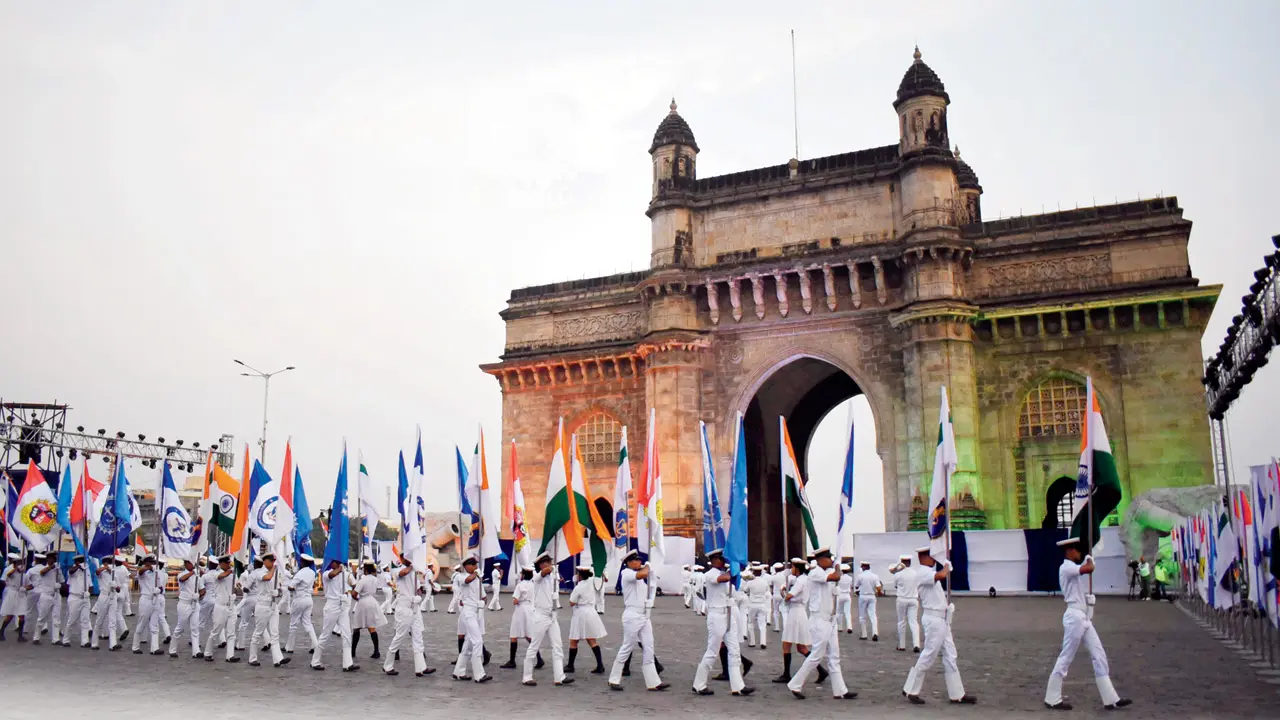
Navy Day celebrations at the Gateway of India in 2023. File PIC
Royal welcome
The decision to build a gateway was to commemorate the visit of King George V and Queen Mary to Bombay and India in December 1911. Following the news that the royal couple and their delegation had to disembark via steamship in Bombay en route for the Delhi Durbar, a temporary structure was created of Plaster of Paris (PoP) after dismantling the iron shed that stood at the pier.

George Wittet
PoP culture
The structure was made from Plaster of Paris with a central dome. This was surrounded by a specially constructed amphitheatre where Bombay’s
powerful and famous citizens and the ruling British rulers greeted the King and Queen of England after they set foot in the port city
The real gateway
After the royal couple’s departure to England, it was decided to build a permanent structure to record this historic visit. Philanthropic citizens as well as the Bombay Government contributed towards its funding.
Grand beginnings
The foundation stone was laid by the then Governor of Bombay province, George Sydenham Clarke in March 1913. George Wittet’s design was approved in August 1914. The structure was completed in 1924.

A dated photograph of Apollo Pier on the spot where
Indo-Saracenic wonder
The Gateway was modelled by Scottish architect George Wittet as a cross between the Arc de Triomphe in Paris, a Moorish mansion and 16th century Guajarati architecture. One of the most respected architects for the Bombay Government at the time; he had also monitored the plan for the temporary structure. Its main arch reaches a maximum height of 83 feet to its apex.
Vocal for local
Yellow basalt stone from Kharodi in Thane and pierced stone panels from Gwalior were used to build the Gateway.
Goodbye from Gateway
When India gained Independence the last British troops, belonging to the 1st Battalion, Somerset Light Infantry left the nation’s shores in February 1948 from the Gateway. The city’s residents lined the Apollo Bunder pier as they bid goodbye to the last reminder of colonialism.
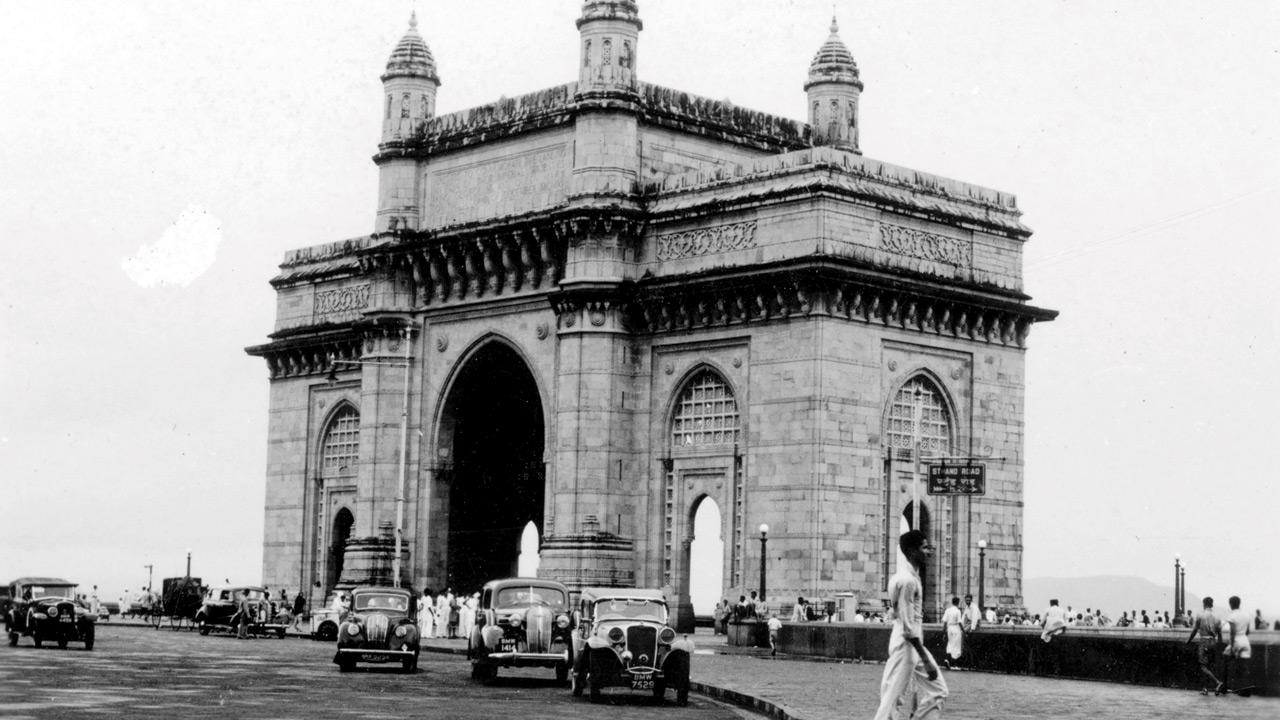
The Gateway of India was built later. Pics courtesy/Wikimedia Commons
Stamp on the city
Apart from the Gateway, Wittet was architect for several prominent landmarks including Prince of Wales Museum (CSMVS), Institute of Science, Small Causes Court at Dhobi Talao, King Edward Memorial Hospital and Wadia Maternity Hospital.
 Subscribe today by clicking the link and stay updated with the latest news!" Click here!