







On July 24 mid-day had reported on the ineffective state of PPLs, which triggered sharp citizen responses. Mumbaikars are demanding cleaner, safer, better-lit parking facilities with clear signage and designated entries for trucks and buses to prevent collisions in tight spaces
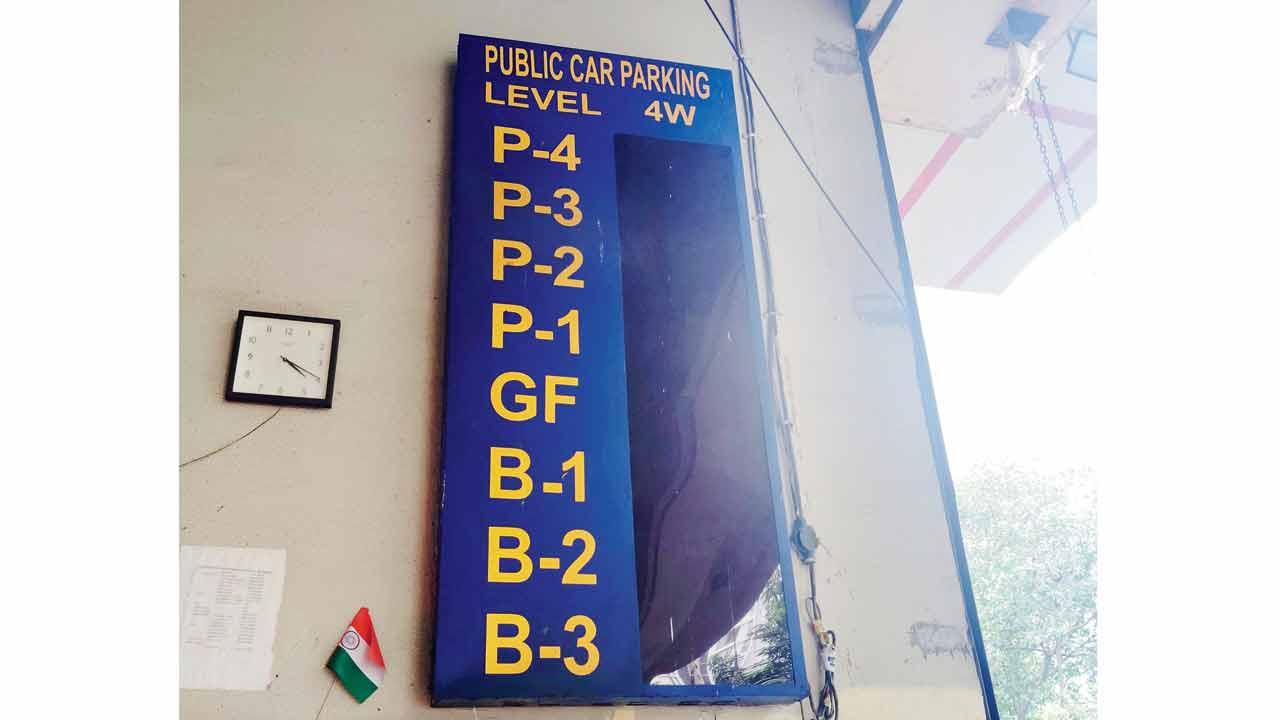
Electronic boards meant to inform citizens of real-time availability are non-functional at PPLs. Pic/Eeshanpriya MS
After mid-day kick started a citywide debate on the underutilisation and chaos surrounding Public Parking Lots (PPLs) in Mumbai, BMC Additional Commissioner Abhijit Bangar has agreed that most of the city’s parking infrastructure is “not being utilised effectively.”
Speaking to mid-day, Bangar said, “On average, PPLs operate at a maximum of 70 per cent capacity. That’s a generalised figure; many function at even lower levels. We’ve received complaints about safety, poor signage, bad accessibility, and last-mile connectivity. These need to be tackled on multiple fronts.”
On July 24 mid-day had reported on the ineffective state of PPLs, which triggered sharp citizen responses. Mumbaikars are demanding cleaner, safer, better-lit parking facilities with clear signage and designated entries for trucks and buses to prevent collisions in tight spaces.
“At several PPLs, trucks and buses are parked alongside cars. That’s dangerous and discouraging. Imagine navigating around a truck in a cramped lot,” said Sandeep Patil, a Ghatkopar resident who commutes daily to Lower Parel by car.
Bangar revealed that BMC is in the tendering phase of a new ‘Smart Parking’ application that will map all parking spaces in the city, display real-time availability, and allow FASTag-based payments. “This will reduce complaints of overcharging and fund misuse,” he said.
But citizens say the problem goes deeper. Used-car dealers occupying PPL spaces, neglected facilities, and parking lots that are virtually invisible have made the entire system dysfunctional. “I really don’t think this is a PPL — even if the board says MCGM. No one parks there. We did not even know it existed. That board is very old. There is no way to tell if this space belongs to BMC,” said local shopkeeper Ismail Khan.
Architects and experts like Vilas Nagalkar of PEATA argue for a standardised PPL format across the city, integrated into the BMC’s GIS and displayed in real time, both online and on-site. “Every PPL must display a live list of vacant and occupied spots, and ideally use automated boom barriers with FASTag,” he said.
The Mumbai Parking Authority’s earlier app-based locator module, which had integrated all PPLs and on-street parking lots, is no longer functional. Bangar said he will look into it and mentioned that the new initiative would need to assess where the previous one left off.
Responding to citizens’ calls for a parking helpline, Bangar suggested that chatbots may be more efficient. “Helplines are labour-intensive and expensive. Chatbots don’t require backend staff. But yes, BMC’s past chatbot systems haven’t quite worked as expected,” he admitted.
As for enforcement of illegal on-street parking, Bangar made it clear: “That’s best left to traffic police. They’ve honed this task over the years through trial and error. It’s not something the BMC should take over.”
Urban activist Zoru Bathena summed up the core issue, “These parking lots weren’t designed based on logic or demand. They were approved to offer FSI bonuses to builders. It’s like building for the sake of it, even in areas like Patwardhan Park, where an underused 1000-slot lot already exists.”
 Subscribe today by clicking the link and stay updated with the latest news!" Click here!