Ashoka’s afterlife
Updated On: 03 August, 2025 08:39 AM IST | Mumbai | Devdutt Pattanaik
These Greeks established relationships with local Indian kings, even the mighty kings of faraway Magadha, who had rode elephants



Illustration/Devdutt Pattanaik
 Alexander was the first European to invade India 2300 years ago. He crossed the famous Khyber Pass. To the west of the mountains was Balkh (Bactria) and to the east was Gandhara. Balkh was the land ruled by Balhika, the uncle of Bhisma, as per the Mahabharata. Gandhara was the home of Gandhari, mother of Kauravas. After Alexander, Greek warlords controlled the trade route through this mountain pass. Indians sought horses, gold and silver. In exchange, Indians exported elephants, cotton and spices.
These Greeks established relationships with local Indian kings, even the mighty kings of faraway Magadha, who had rode elephants. Greek women married these kings. The Mauryans had many Greek wives and concubines and servants. They developed a taste for Greek wine. Ashoka, who never names his family in his edicts, may have been a child or grandchild of these Greek women, or may have been raised by these Greek women. This explains his fascination with writing on stones (edicts).
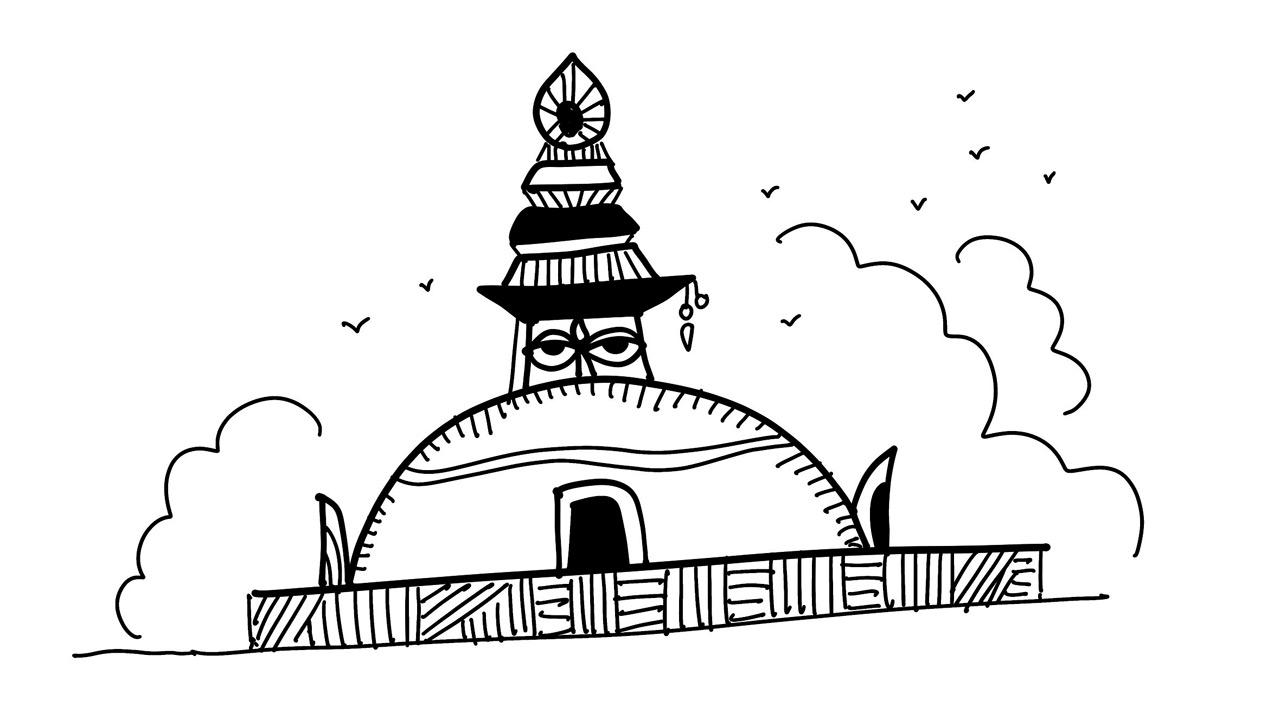
Ashoka had inscriptions carved in stone informing future generations about the many Buddhist sites he visited: Lumbini, the birth place of Gautama Buddha; Gaya, the site where Gautama Buddha became the Buddha, the aware being, who witnessed the truth of life, the “dhamma”; Sarnath, where Gautama Buddha gave his sermon at a deer park. Here, Ashoka erected a pillar with a lion capital — lions facing the four directions; Sankissa, where Gautama Buddha descended after giving a lecture in paradise of the thirty-three gods. Here Ashoka erected a pillar with an elephant capital; Shravasti, where Gautama Buddha performed miracles, flying in the air, with fire and water emerging from his body; Kusingara, where Gautama Buddha died between two Sala trees; Nigali, the birth place of Kanaka Buddha, who lived before Gautama Buddha.


How do you like the new new mid-day.com experience? Share your feedback and help us improve.
Trending Stories
Latest Photos
Latest Videos
Latest Web Stories
ADVERTISEMENT
Mid-Day Fast
ADVERTISEMENT

ADVERTISEMENT